
The Comprehensive Journey of Arabica Coffee: From Plant to Cup
Introduction about coffea arabica

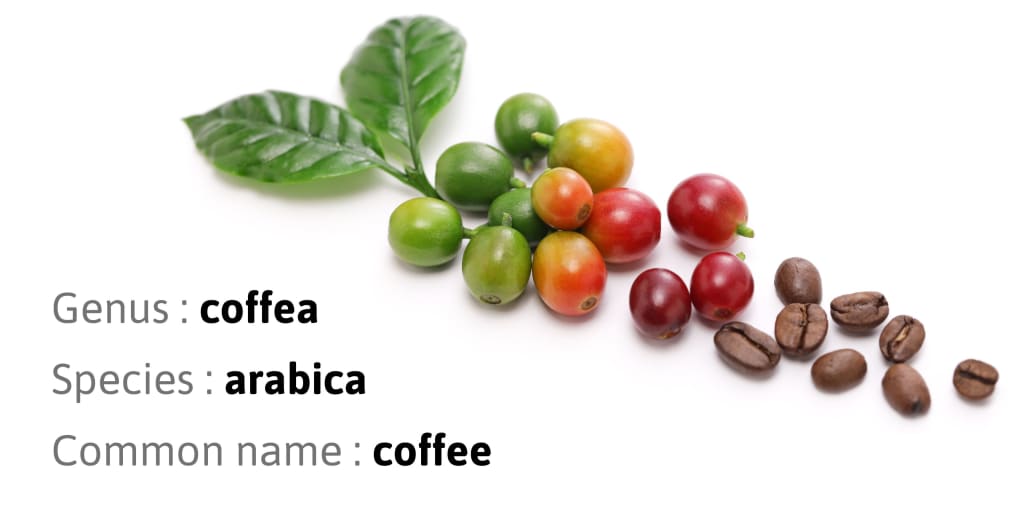
Arabica coffee, known scientifically as Coffea arabica, is the most popular coffee species, cherished for its smooth, complex flavors and aromatic qualities. It accounts for over 60% of global coffee production. The Arabica coffee plant's journey from Ethiopia's highlands to coffee farms worldwide is a tale of cultural and economic exchange.
Origins and Early Journey
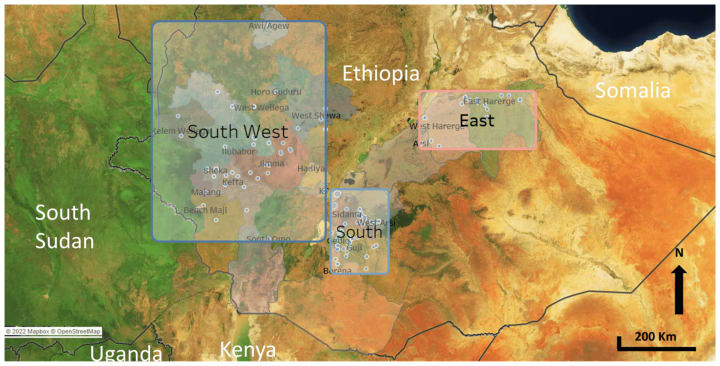
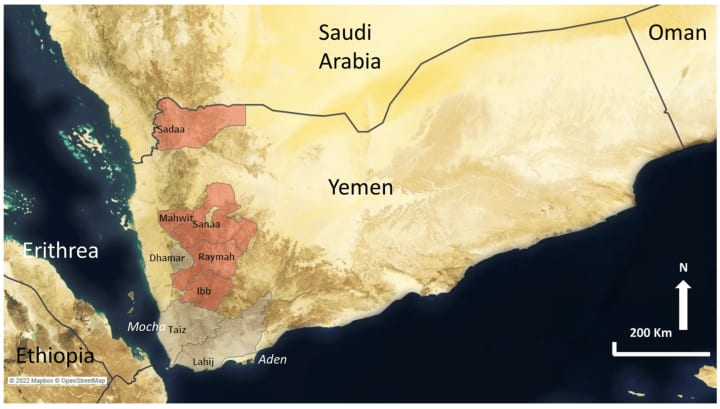
Coffea arabica originates from Ethiopia, where the genetic diversity of this species is most abundant. Historians believe (Montagnon et al., 2022) the first coffee beans were taken from the coffee forests in southwestern Ethiopia and brought to Yemen, where coffee began to be cultivated as a crop. The farmers and breeders in Yemen selected and created numerous Arabic coffee varieties, each with unique performance and adaptation to local conditions.
Recent genetic tests have shed light on the origins of the leading coffee seeds transported from Ethiopia to Yemen. The tests confirmed that these seeds were genetically related to the Bourbon and Typica varieties (Montagnon et al., 2021).
Yemen's Bourbon and Typica coffee seeds spread worldwide and became the ancestors of most Arabica coffee grown today. This helps us understand coffee's history and genetics.
Cultivation Practices of coffea arabica
Arabica coffee plants need specific conditions to grow well. They like high places (1,200–1,800 meters above sea level), temperatures between 15–24°C, a mix of sun and shade, and good soil. Growing them well means regular trimming, pest control, and careful picking.
In regions like Ethiopia, coffee is often grown in traditional agroforestry systems, which preserve biodiversity and provide a sustainable environment. In other coffee-producing countries, modern agricultural techniques are employed to maximize yield and quality.
Coffea Arabica Flavor Profile
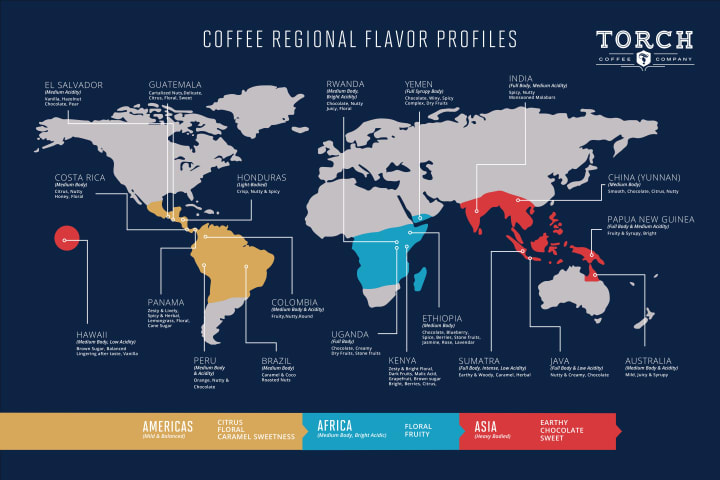
Arabic coffee is prized for its diverse flavour, from fruity and floral to nutty and chocolate. The specific taste of arabica coffee depends on factors such as the coffee variety, growing conditions, and processing methods.
Main Types of Arabica Coffee
Ethiopian Landrace:
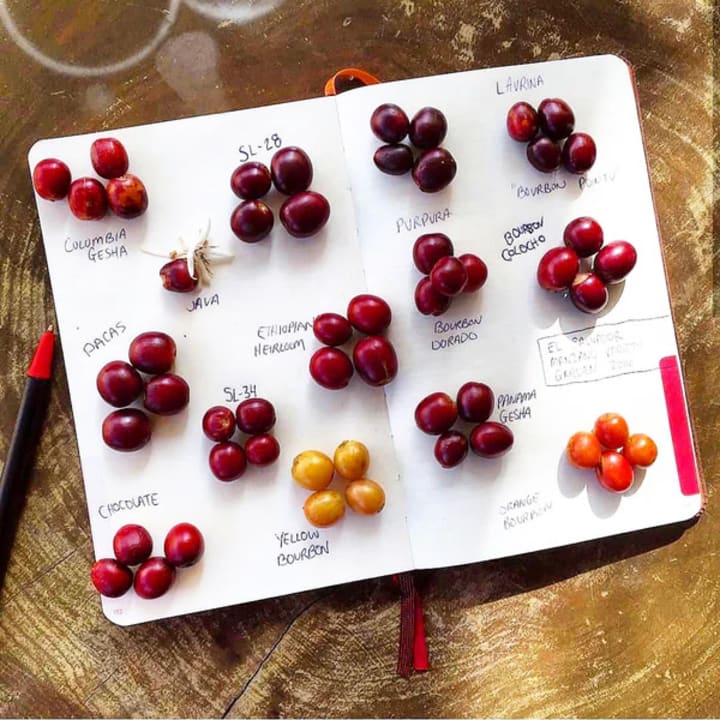
Landraces are local coffee plants that have adapted to their environment over time. Most come from the forests of Ethiopia, where Arabica coffee first grew. These plants make high quality coffee but don't produce a lot of beans.
Bourbon and Typica Group:
These two groups form the foundation of most Arabic coffee production worldwide today. The Dutch introduced Seeds from Yemen to India and Java, leading to the Typica lineage. Seeds from Yemen were also brought to Bourbon Island, giving rise to the Bourbon lineage.
Typica and Bourbon plants spread to Europe, the Americas, and Africa through colonial trade routes in the 18th and 19th centuries. While known for high cup quality, they are susceptible to significant coffee diseases. In Brazil, which produces 40% of the world's coffee, 97.55% of coffee cultivars are derived from the Typica and Bourbon varieties.
Introgressed (Catimor/Sarchimor):
Introgressed varieties possess genetic traits from another species, mainly Coffea canephora (Robusta).
In the 1920s, a natural hybrid of C. arabica and C. canephora in East Timor created the Timor Hybrid, which is highly resistant to coffee leaf rust. Crosses of the Timor Hybrid with high-yielding dwarf Arabica varieties like Caturra and Villa Sarchi led to the creation of Catimors and Sarchimors.
These coffee groups share similar parents and have many varieties. They're important for farmers fighting coffee leaf rust diseases, but their coffee quality isn't as high as other Arabica.
A Note About Coffee Leaf Rust Resistance
Coffee leaf rust, a fungus, is a big problem for coffee farms worldwide, causing leaves to fall off and crops to fail. New rust-resistant Arabica plants developed over the last 30 years have helped protect many coffee farmer.
But, these resistant plants are becoming less effective in some areas. World Coffee Research is working to fix this by tracking rust outbreaks and helping farmers get the strongest coffee plants. Their goal is to keep coffee farming sustainable and productive everywhere.
F1 Hybrids
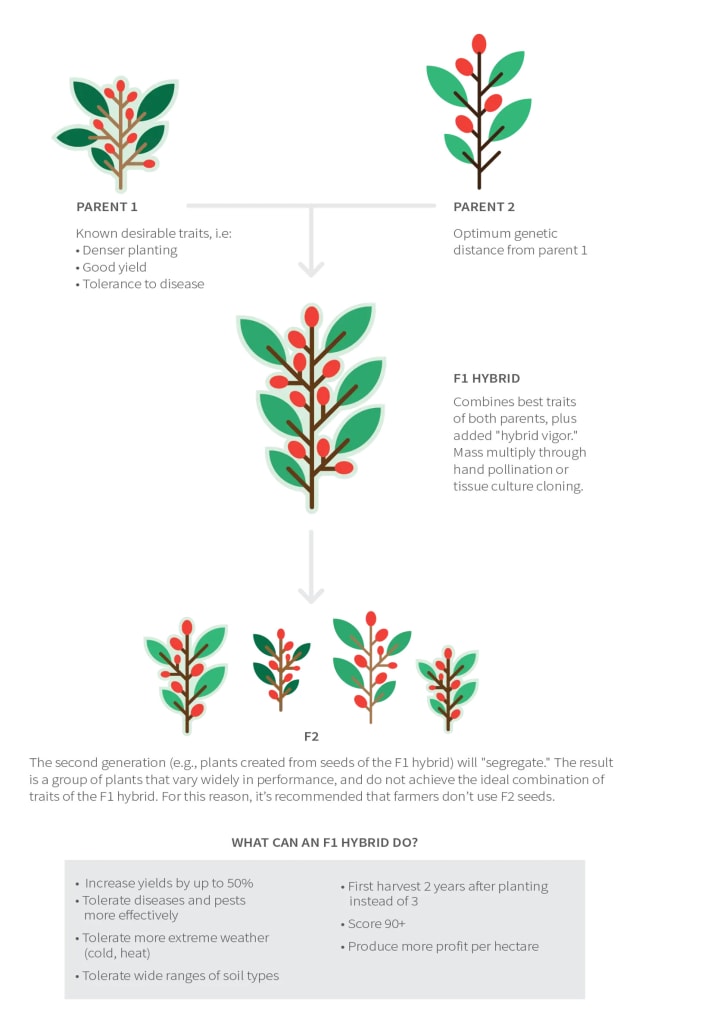
F1 hybrids result from crossing two genetically distinct Arabica parents, creating offspring with high cup quality, yield, and disease resistance. However, seeds from F1 hybrid plants will not have the same characteristics as the parent plants.
They should be reproduced through clonal propagation to maintain desired traits. Farmers should purchase F1 hybrid seedlings from trusted nurseries.
Sustainability and Future Challenges
Climate change is a big problem for growing Arabica coffee. Changing temperatures, rainfall, and more pests and diseases are making it harder to grow.
Researchers are developing tougher coffee plants and better farming methods. They're breeding new Arabica plants that can handle climate change and resist disease.
Growing coffee in the shade, organic farming, and mixing trees and crops are also being encouraged to help coffee farming last.
The Economic and Cultural Impact of Arabica Coffee
Arabica coffee has a profound economic and cultural impact on many regions worldwide. Coffee farming is a significant source of income and employment in countries like Brazil, Vietnam, Colombia, and Ethiopia.
The coffee industry supports entire communities and contributes significantly to national economies.
Culturally, Arabic coffee holds a special place in people's daily lives and traditions worldwide. The traditional coffee ceremony in Ethiopia is a significant social and cultural event. In Italy, espresso is integral to the country's coffee culture. Coffeehouses have historically been centres of social interaction and intellectual exchange, from the Ottoman Empire to modern-day cities.
Conclusion
Arabica coffee's journey from Ethiopia to the world is a great story of discovery, farming, and culture. Arabica coffee is loved everywhere because of its exciting history, many flavors, and importance to the world's economy and cultures.
Learning about Arabica coffee, from its beginnings to the problems it faces today, helps us appreciate every cup.
About the Creator
Pham Duc Toan
Family, strong bonds, and the perfect cup of coffee—that's my world. I'm sharing my experiences, the good, the challenging, and the deep thoughts.
Keep reading
More stories from Pham Duc Toan and writers in FYI and other communities.
Coffee Varieties: An In-Depth Exploration
Overview of Coffee With its long history, coffee varieties has become indispensable to cultural and economic life in many countries. Originating in Ethiopia, the coffee plant was subsequently cultivated and developed worldwide, ultimately becoming one of the most popular beverages globally.
By Pham Duc Toanabout a year ago in FYI
Indonesia Furniture Market: Housing Demand, Design Trends, and Manufacturing Expansion
According to IMARC Group’s latest research publication, the Indonesia furniture market size reached USD 9.1 Billion in 2025. Looking forward, the market is expected to reach USD 15.2 Billion by 2034, exhibiting a compound annual growth rate (CAGR) of 5.82% during 2026–2034.
By Abhishek Rastogi7 days ago in FYI



Comments
There are no comments for this story
Be the first to respond and start the conversation.