
Coffee Varieties: An In-Depth Exploration
Introduction to coffee varieties

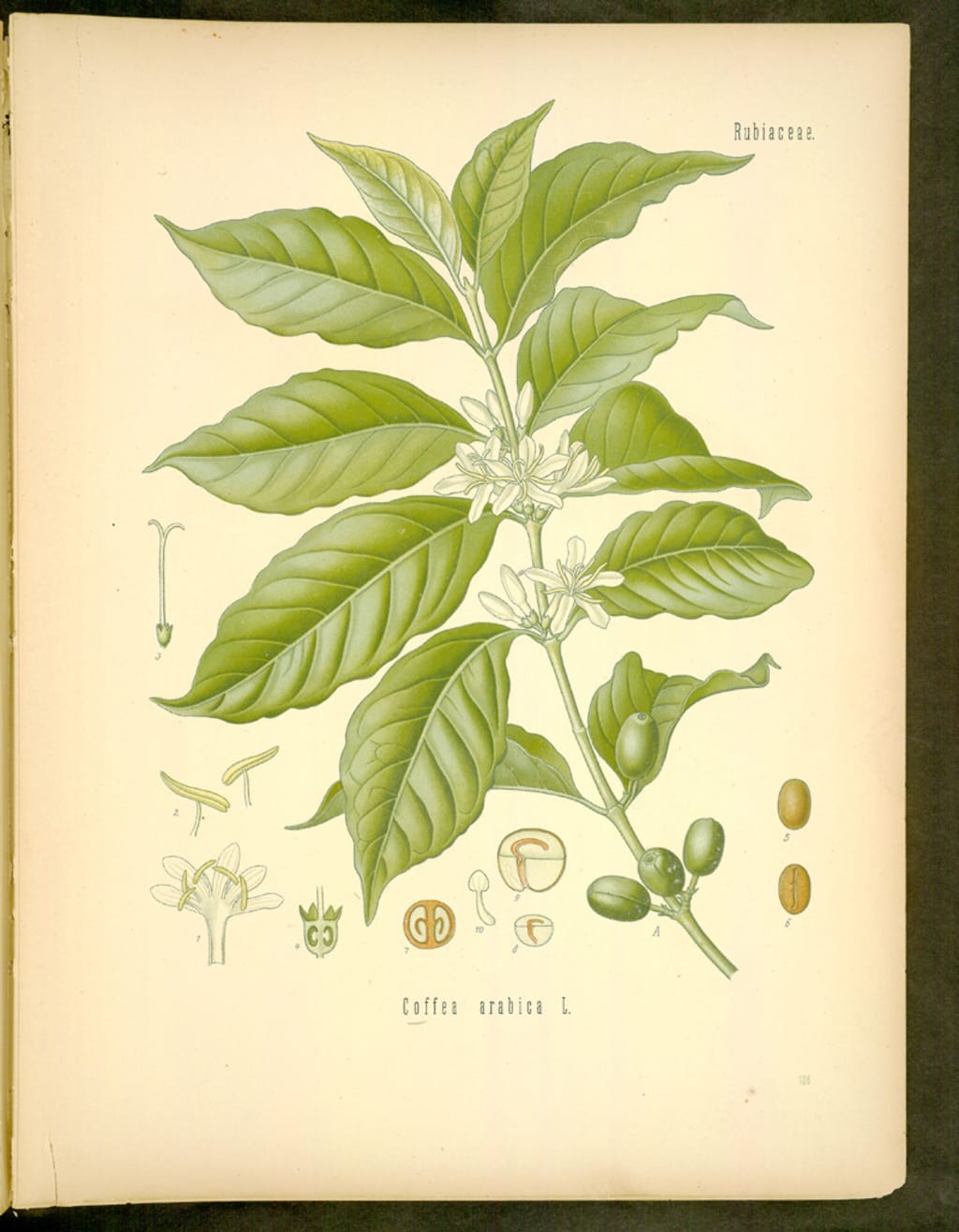
Overview of Coffee
With its long history, coffee varieties has become indispensable to cultural and economic life in many countries. Originating in Ethiopia, the coffee plant was subsequently cultivated and developed worldwide, ultimately becoming one of the most popular beverages globally.
The Importance of Classifying Coffee
Classifying coffee not only helps farmers select varieties suitable for local conditions, but also allows producers to optimize processing methods, therefore helps consumers better understand the origin and quality of their products.
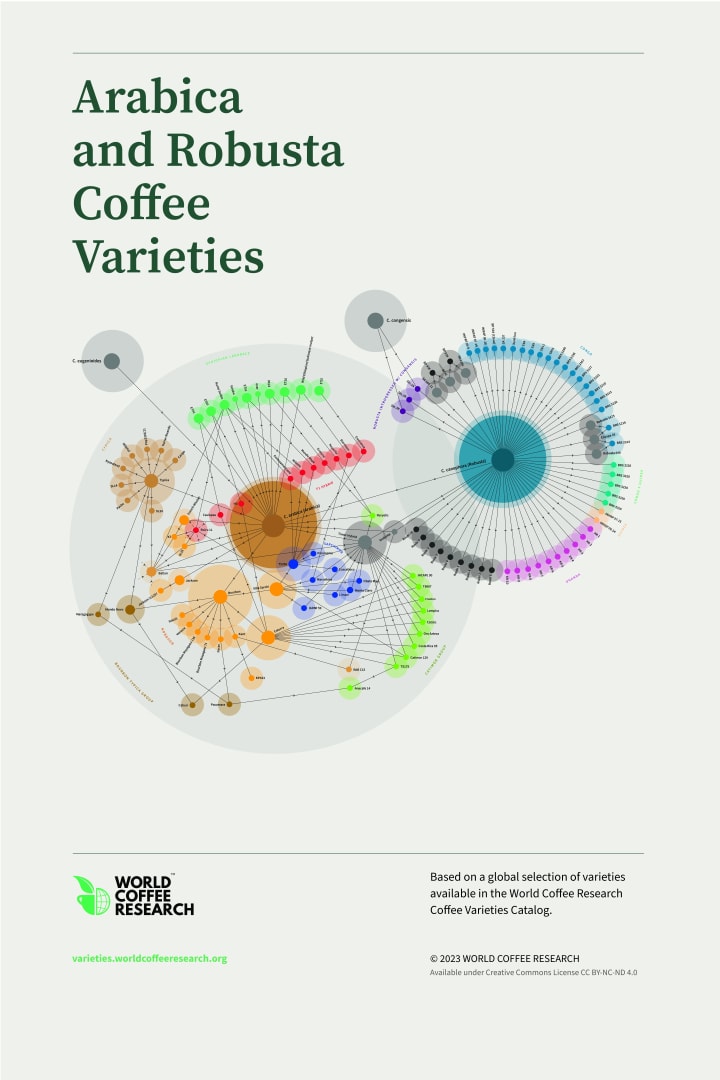
How Coffee Plants are Classified
- Morphological Characteristics
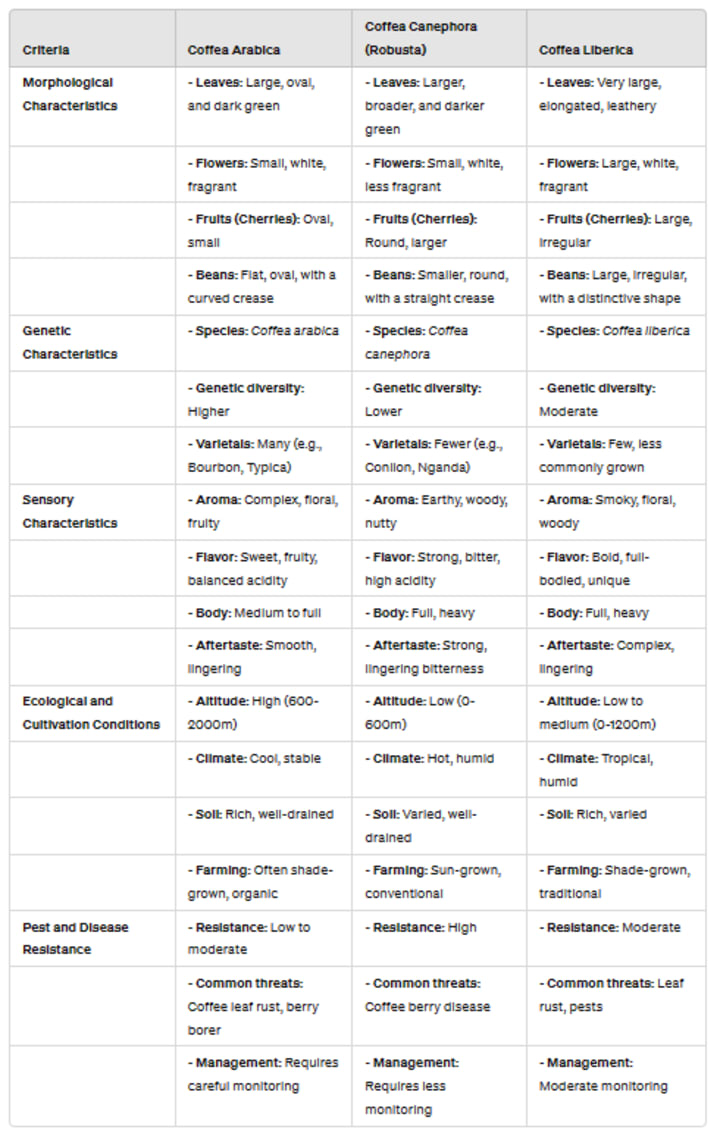
Classifying coffee based on morphological characteristics includes examining the leaves, flowers, fruits, and beans.
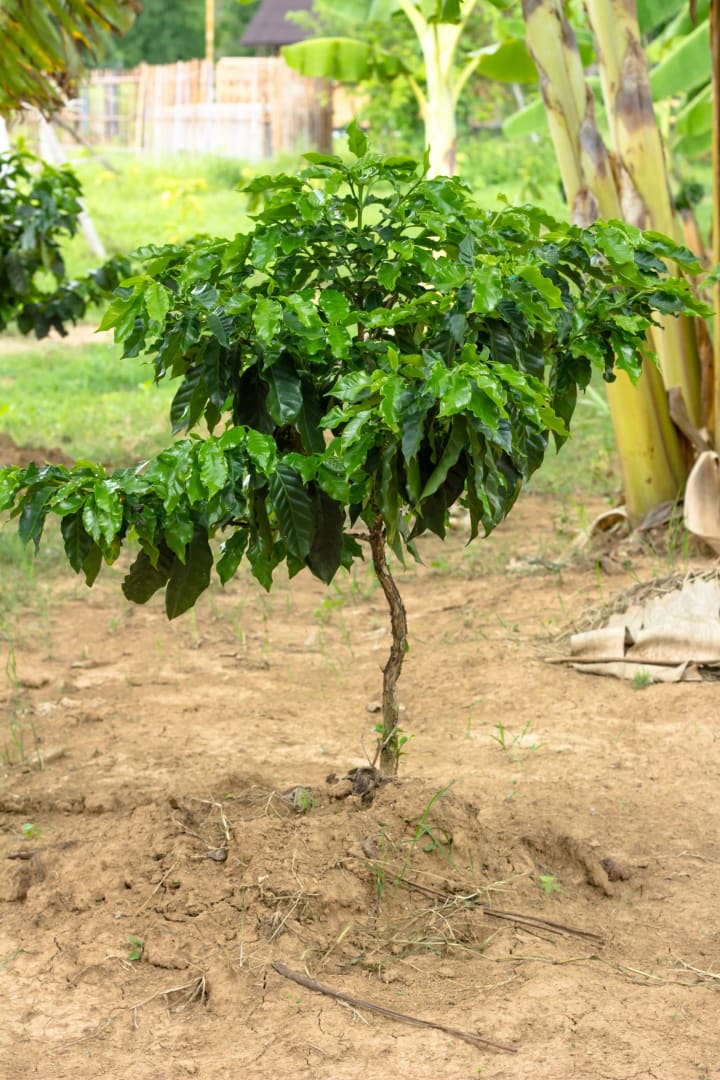
Leaves: Coffee leaves' size, shape, and colour vary among varieties. Arabica leaves are long and narrow, while Robusta leaves are broader and shorter.
Flowers: Coffee flowers typically have five white petals and emit a sweet fragrance.
Fruits: The shape and colour of coffee fruits vary when ripe, ranging from red and yellow to purple.
Beans: Coffee beans have different shapes, sizes, and grooves. Arabica beans are oval with a deep groove, while Robusta beans are round with a shallow groove.
- Genetic Characteristics
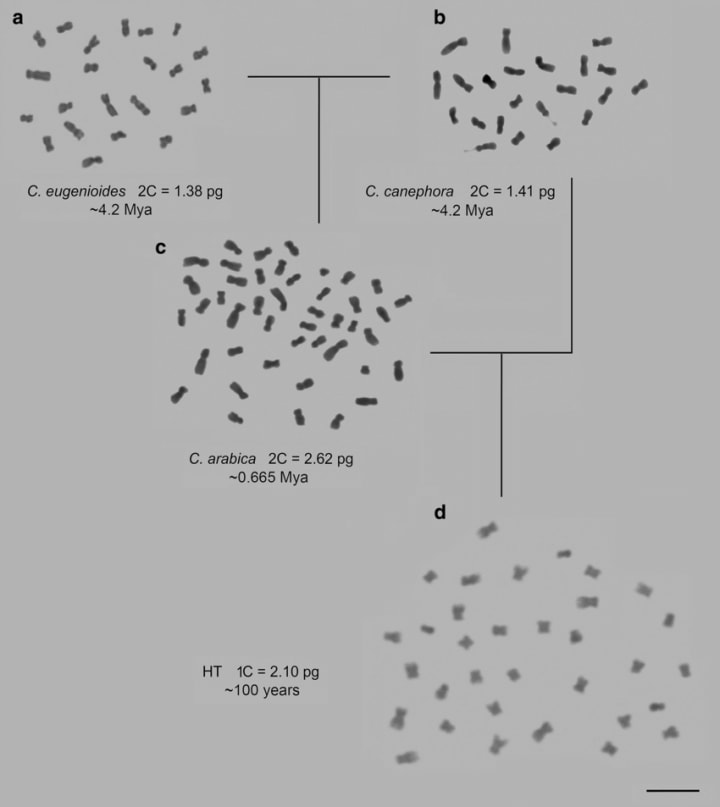
By using biotechnology, scientists can analyze DNA to determine the genetic characteristics of each coffee variety. Specifically, the genetic makeup of a coffee plant plays a crucial role in determining its flavour profile, disease resistance, and yield.
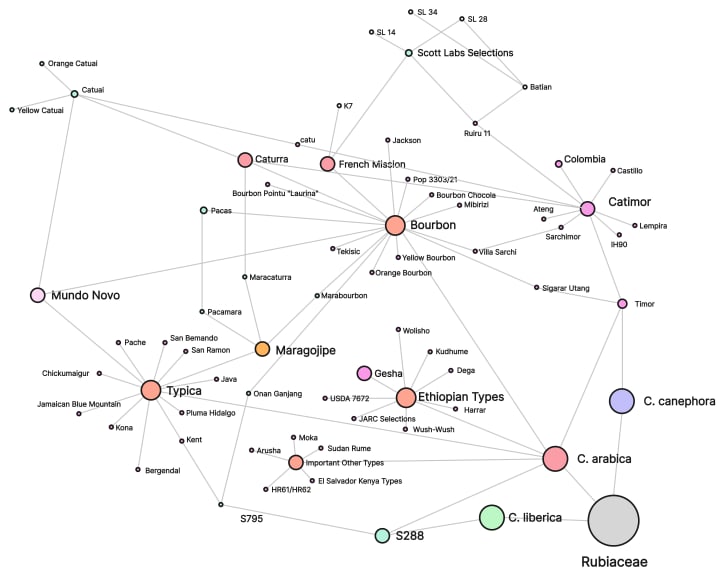
For example, varieties like Typica and Bourbon have given rise to numerous sub-varieties through natural mutations and selective breeding. Moreover, genetic diversity within coffee species helps ensure resilience against pests and diseases as well as adaptability to different growing conditions.
Chromosomes: Arabica has a diploid chromosome set (44 chromosomes), while Robusta and Liberica have a haploid chromosome set (22 chromosomes).
Natural Mutations: Some coffee varieties are classified based on natural mutations that have occurred over generations.
- Sensory Characteristics
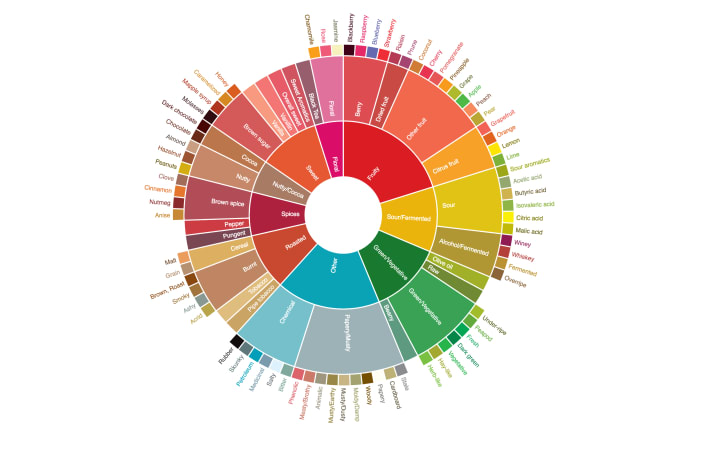
Coffee tasters use acidity, body, aroma, and aftertaste criteria to differentiate coffee varieties.
Flavour: Arabica coffee has a rich and diverse flavour profile, while Robusta coffee is solid and bold.
Aroma: The aroma of coffee varies, from floral and fruity to woody and earthy.
- Ecological and Cultivation Conditions
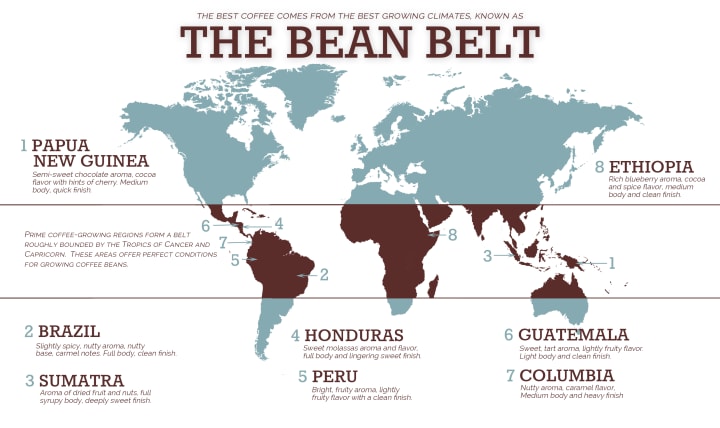
Geographical and climatic conditions greatly influence the quality of coffee. A coffee-growing region's climate and terroir (the combination of soil, climate, and topography) significantly impact the taste and quality of the coffee produced.
Factors such as temperature, rainfall, and soil composition influence the development of flavour compounds in coffee beans. For example, high-altitude regions with cooler temperatures often produce coffee with brighter acidity and more complex flavours. Altitude is a critical factor in coffee cultivation. Higher altitudes generally result in slower bean maturation, allowing for more complex flavours to be developed. Arabica coffee, in particular, thrives at altitudes between 600 and 2,000 meters above sea level. The higher the altitude, the more nuanced and desirable the flavour profile.
The methods used to cultivate and process coffee also affect its final flavour. Practices such as shade-growing, organic farming, and selective harvesting can enhance the quality of the coffee. Additionally, post-harvest processing methods, such as washing, natural, and honey processes, contribute distinct flavour characteristics to the coffee.
Growing Altitude: Arabica thrives at 600 to 2000 meters, while Robusta prefers lower altitudes from 0 to 800 meters.
Climate: Arabica prefers cooler climates between 15 to 24°C, while Robusta grows well in warmer temperatures from 24 to 30°C.
- Pest and Disease Resistance
The ability to resist pests and harsh conditions is essential in classifying coffee.
Arabica: Sensitive to rust and berry borer.
Robusta: More resistant to pests.
Introduction to the Rubiaceae Family
Coffee belongs to the Rubiaceae family, a large family of flowering plants with approximately 13,500 species, including herbs, shrubs, and trees. Notably, common characteristics of this family include opposite leaves, small white flowers, and berry-like fruits.
The Coffea Genus
The Coffea genus is undoubtedly the most important within the Rubiaceae family for the coffee industry, featuring with notable species such as C.arabica, C.canephora, and C.liberica.
1.The Three Main Varieties:
C. arabica
- Characteristics: Arabica has a rich, diverse flavour and high acidity. Its beans are oval-shaped with a deep groove.
- History: Originating in Ethiopia, Arabica is widely cultivated worldwide.
- Growing Regions: Arabica grows at altitudes between 600 and 2000 meters.
C. (Robusta)
- Characteristics: Robusta has a strong, bold flavour and higher caffeine content than Arabica.
- History: Originating in Central and Western Africa.
- Growing Regions: Robusta thrives at altitudes from 0 to 800 meters in tropical climates.
C. liberica
- Characteristics: Liberica has more giant beans and a strong, sometimes overpowering flavour.
- History: In West Africa, Liberica is less common than Arabica and Robusta.
- Growing Regions: Liberica grows at 0 to 1200 meters in hot and humid tropical climates.
2.Coffee Varieties Within the Main Groups
Arabica Varieties
- Typica: An original coffee variety with a sweet, clean flavour and high acidity. Key Varieties such as: Mundo Novo, San Ramon, Java, Pache, Jamaican Blue Mountain, Kona, Pluma Hidalgo, Maragogype
- Bourbon: Known for its complex, sweet flavour and balanced acidity. Key Varieties such as: Pacas, Kent, Yellow Bourbon, Orange Bourbon, Caturra, Pacamara, Villa Sarchi
- Gesha: Famous for its jasmine-like aroma, bright acidity, and tropical fruit flavors.
Robusta Varieties
- Nganda: A traditional Ugandan coffee variety with a robust, earthy flavour.
- Erecta: A variety from West and Central Africa known for its high yield and intense flavour.
Liberica Varieties
- Excelsa: A sub-species of Liberica with a unique, complex flavour profile.
3.Purebreds and Hybrids
Purebred Varieties
Purebreds, specifically, are coffee varieties that have not been crossbred with others, thus maintaining their original characteristics over generations.
Hybrid Varieties
Hybrids are created by crossbreeding different coffee varieties to produce new ones with desirable traits such as high yield, good quality, and pest resistance.
- Catimor: A cross between Caturra and Timor Hybrid, known for its rust resistance and high yield.
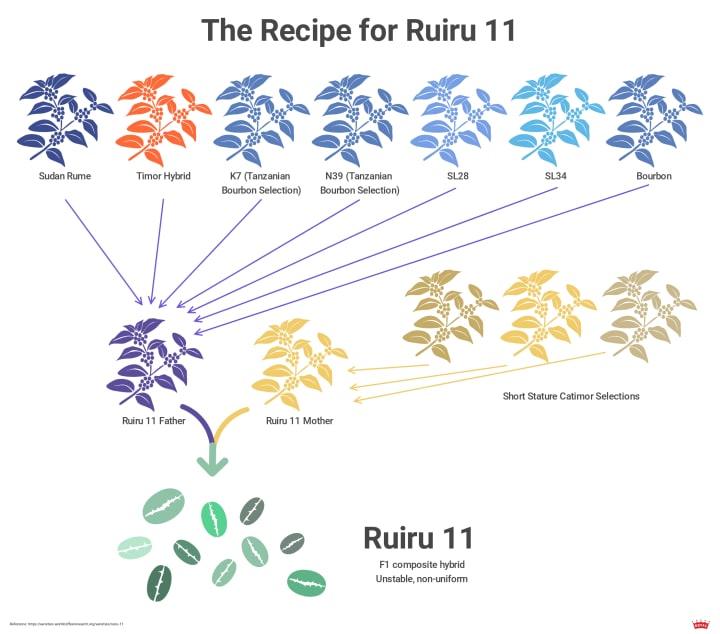
- Ruiru 11: A complex hybrid from Kenya, combining multiple Arabica and Robusta varieties, known for its disease resistance and good cup quality.
4.Current Situation and Future Trends
Current Challenges
The coffee industry faces many challenges, such as climate change, pests, and increasing demand for high-quality coffee.
Specialty Coffee and the Rise of New Varieties
The specialty coffee movement has driven a renewed interest in exploring and developing new coffee varieties. As can be seen, coffee producers, roasters, and consumers increasingly seek unique, high-quality coffees with distinct flavor profiles.
Experimental Varieties
In recent years, coffee producers have been experimenting with new varieties and hybrid crosses to enhance flavor, disease resistance, and yield. For example, the Starmaya variety, an Arabica F1 hybrid, was developed to combine the best traits of its parent plants.
Moreover, these experimental varieties are often tested in different growing conditions to evaluate their performance and potential.
Single-Origin Coffees
Single origin coffees from a specific region, farm, or even a single lot have gained popularity in the specialty coffee market. Furthermore, these coffees highlight the unique characteristics of their origin and offer a more transparent and traceable coffee experience.
In addition, single-origin coffees often feature detailed information about the variety, processing method, and producer, thus allowing consumers to appreciate the nuances of each coffee.
Sustainable and Ethical Coffee Production
As consumers become more conscious of their coffee choices' environmental and social impact, there is a growing demand for sustainably and ethically produced coffee.
Certifications such as Fair Trade, Organic, and Rainforest Alliance ensure that coffee is produced in ways that support the well-being of farmers, communities, and ecosystems.
Consequently, many specialty coffee producers prioritize sustainable farming practices, which often result in higher-quality coffee.
Future Trends
- Developing Heat and Drought-Tolerant Varieties: Research focuses on breeding coffee varieties that can withstand high temperatures and prolonged droughts.
- Improving Cup Quality: Enhancing coffee flavors and quality through breeding and optimizing processing methods.
- Biotechnology Applications: Using genetic technology to create new coffee varieties with superior traits.
The Importance of Understanding Coffee Varieties
Knowledge about coffee varieties not only helps consumers make better choices but also supports farmers and producers in optimizing cultivation and processing methods.
Summary of Key Points
Overall, the world of coffee varieties is vast and diverse, offering a rich tapestry of flavors, aromas, and experiences. For example, from the delicate, floral notes of Ethiopian Yirgacheff to the bold, earthy flavors of Sumatran coffee, each variety has its own story to tell.
Therefore, understanding the different coffee varieties and the factors influencing their characteristics can deepen your appreciation for this beloved beverage.
Whether you're exploring the bright acidity of a Kenyan SL28, savouring the fascinating flavours of a Panamanian Geisha, or enjoying the robust intensity of a Vietnamese Robusta, there's always something new to discover in the world of coffee.
So, next time you brew a cup, take a moment to appreciate the journey of the beans and the unique flavours they bring to your cup.
About the Creator
Pham Duc Toan
Family, strong bonds, and the perfect cup of coffee—that's my world. I'm sharing my experiences, the good, the challenging, and the deep thoughts.
Keep reading
More stories from Pham Duc Toan and writers in FYI and other communities.
French Press: Simple Yet Refined, Bold & Unforgettable
What is French Press? The French Press, if understood by the name of a brewing tool. It is a French-style coffee maker consisting of a glass or metal container, a plunger, and several metal mesh filters. Interestingly, despite its name, this cafetiere is quite hard to find in France, where people prefer other coffee makers.
By Pham Duc Toanabout a year ago in FYI
Hottest in the Office
Dear Rafi, You’re very distracting to work around. For the first second I saw you the other day, I thought you were some type of executive. It took a moment to realize no, you were just the new guy, dressed up for the job he wants. Be still, my heart.
By Gabriel Shames4 days ago in Pride



Comments
There are no comments for this story
Be the first to respond and start the conversation.