
Indonesia Furniture Market: Housing Demand, Design Trends, and Manufacturing Expansion
Residential construction growth, urban lifestyle changes, and export-oriented production shaping the Indonesia furniture market

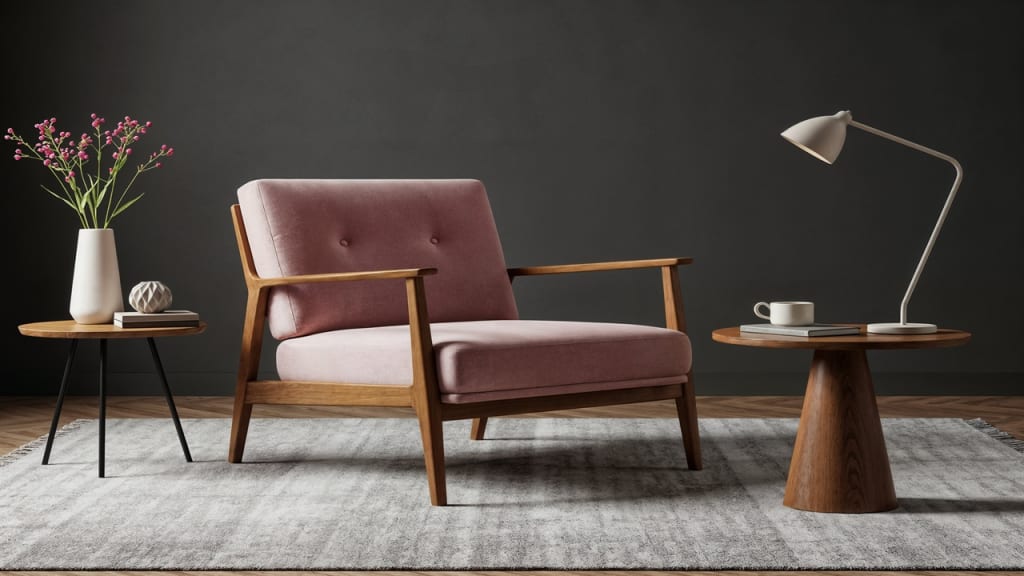
According to IMARC Group’s latest research publication, the Indonesia furniture market size reached USD 9.1 Billion in 2025. Looking forward, the market is expected to reach USD 15.2 Billion by 2034, exhibiting a compound annual growth rate (CAGR) of 5.82% during 2026–2034.
Market Overview:
The Indonesia furniture market is a significant component of the country’s manufacturing and consumer goods ecosystem, supported by strong domestic demand and a well-established export base. Furniture production in Indonesia spans residential, commercial, and institutional segments, with products ranging from wooden furniture and upholstered seating to modular and office furniture.
Rising urbanization, population growth, and increasing household formation are supporting steady demand for home furnishings across major cities and emerging urban centers. At the same time, Indonesia’s access to raw materials and skilled craftsmanship has positioned the country as an important furniture manufacturing hub within Southeast Asia.
Role of Urbanization and Lifestyle Changes in the Indonesia Furniture Market:
Changing living patterns and consumer preferences are influencing furniture demand and product design across Indonesia.
• Residential Housing Growth: Expansion of apartments, landed housing projects, and mixed-use developments is increasing demand for home furniture.
• Compact Living Solutions: Urban households are showing growing interest in space-saving and multifunctional furniture designs.
• Modern Design Preferences: Consumers are increasingly adopting contemporary styles alongside traditional wooden furniture.
• Commercial Space Development: Growth in offices, hotels, cafés, and co-working spaces is supporting demand for commercial furniture.
• Renovation and Replacement Demand: Rising disposable incomes are encouraging spending on home upgrades and interior improvements.
Indonesia Furniture Market Trends and Growth Drivers:
The residential segment remains the primary driver of furniture demand in Indonesia, supported by ongoing housing construction and homeownership growth. Increasing awareness of interior aesthetics and functional design is influencing purchasing decisions, particularly among younger consumers in urban areas.
Export activity also plays an important role in the furniture market, with Indonesian manufacturers supplying products to international markets. Demand for wooden and eco-friendly furniture products is strengthening, supported by sustainability preferences and craftsmanship-based designs.
E-commerce and omnichannel retail models are improving product accessibility, allowing consumers to browse, compare, and purchase furniture through both physical stores and online platforms. Digital visualization tools and flexible delivery options are further enhancing customer engagement across furniture retail channels.
Supply Chain and Export Dynamics in the Indonesia Furniture Market:
Indonesia’s furniture industry benefits from an established supply chain supported by access to raw materials, skilled labor, and export-oriented manufacturing capabilities. Furniture producers operate across integrated value chains, from material processing to finished product manufacturing, enabling cost efficiency and production scalability. Export demand remains an important contributor to industry activity, particularly for wooden and handcrafted furniture products.
Logistics connectivity and proximity to major shipping routes support furniture exports to international markets, while compliance with sustainability standards is influencing material sourcing and production practices. Manufacturers are increasingly focusing on efficiency improvements, quality control, and standardized production processes to meet evolving domestic and global demand. These factors are supporting long-term stability and gradual capacity expansion across the Indonesia furniture market.
Indonesia Furniture Market Segmentation:
The report has segmented the market into the following categories:
Material Insights:
• Wood
• Metal
• Plastic
• Others
Application Insights:
• Home Furniture
• Office Furniture
• Hospitality
• Others
Distribution Channel Insights:
• Supermarkets
• Specialty Stores
• Online
• Others
Regional Insights:
• Java
• Sumatra
• Kalimantan
• Sulawesi
• Others
Competitive Landscape:
The competitive landscape of the Indonesia furniture market includes a mix of domestic manufacturers, export-oriented producers, and retail-focused brands. Market participants are focusing on design innovation, material sourcing, and production efficiency to strengthen competitiveness. Expansion of retail presence and digital sales channels remains a key strategy across the industry.
Recent Developments in the Indonesia Furniture Market:
• 2024: Increased focus on sustainable materials and certified wood sourcing across furniture manufacturing operations.
• 2024: Expansion of furniture retail outlets and showroom formats in major urban regions.
• 2025: Growing adoption of online furniture retail platforms to support wider customer reach.
About the Creator
Abhishek Rastogi
SEO Team Lead at IMARC Group | 6+ yrs experience in keyword research, content strategy & SEO optimization | Driving organic growth, traffic & leads for global market research reports.
Keep reading
More stories from Abhishek Rastogi and writers in FYI and other communities.
Indonesia Data Center Market: Digital Infrastructure Expansion, Cloud Adoption, and Capacity Growth
According to IMARC Group’s latest research publication, the Indonesia data center market size reached USD 3.1 Billion in 2025. Looking forward, the market is expected to reach USD 8.4 Billion by 2034, exhibiting a compound annual growth rate (CAGR) of 11.66% during 2026–2034.
By Abhishek Rastogiabout 6 hours ago in FYI
A Failed Artist, A Disillusioned Poet, An Underpaid Game Show Host
I took my son and niece to Gori, a small town in Georgia where Joseph Stalin was born. They talked me into visiting the Stalin's Museum, the largest in the post-Soviet space. I had resisted going there because I just can't stand the monster and know enough about him, or so I thought.
By Lana V Lynx6 days ago in FYI
The Pentagon’s Secret Videos: Are UFOs Finally “Official”?
For decades, the idea of Unidentified Flying Objects (UFOs) was relegated to the fringes of late-night talk shows and sci-fi conventions. Believers suspected the military was hiding the truth, while the "powers that be" remained silent.
By Areeba Umairabout 22 hours ago in FYI




Comments
There are no comments for this story
Be the first to respond and start the conversation.