Science
Science
The Impact of Emerging Technologies and Innovations on Our Lives and Future
The Impact of Emerging Technologies and Innovations on Our Lives and Future Technology has become an integral part of our daily lives, from smartphones and laptops to smart homes and self-driving cars. In recent years, emerging technologies and innovations have dramatically transformed the way we live, work, and interact with the world around us. While these advancements have brought numerous benefits, they have also raised concerns about their impact on society, the economy, and the environment.
By Mohamed Aboelnaga3 years ago in FYI
China becoming a Space Power
Have you ever wondered why humans haven’t colonized the moon yet? The answer lies in the fact that until recently, water had not been found on the moon. This led to speculation and controversies surrounding the authenticity of NASA’s moon landing in 1969. However, recent discoveries by China have changed the game. They have found 270 billion tons of water on the moon, which could potentially revolutionize the concept of lunar colonization. In this episode, we will explore China’s innovative endeavors, their projects, and their growing influence in different parts of the world, particularly their advancements towards colonizing the moon. Welcome to another exciting episode of Innovation Diary, where we delve into China’s development and increasing power. If you’re new to our channel and fascinated by fast-paced modernity, you’ll find our videos intriguing. Let’s dive in and learn more about China’s groundbreaking discoveries on the moon.China has been investing heavily in its space program for the past decade, spending billions of dollars to excel in space exploration and make groundbreaking discoveries. They have already built their own International Space Station and numerous private companies in China are working on inventing new technologies, including rockets, new types of fuel, and high-speed internet. China has set its sights on sending astronauts to the Moon by 2030, not just for landing purposes but for the ambitious goal of lunar colonization.
By Kenny Browne3 years ago in FYI
A Tragedy of Titanic Proportions. Top Story - June 2023.
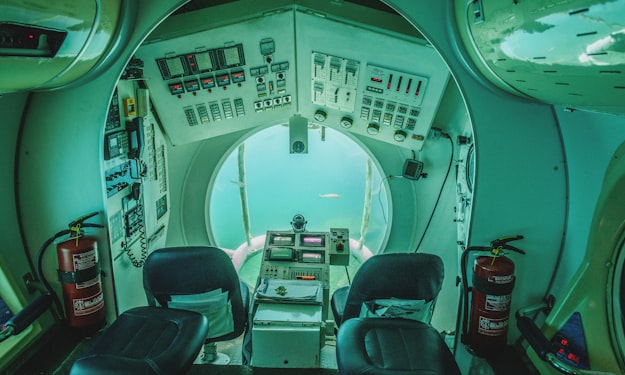
Like everybody else around the world, since Sunday I have been glued to the news media following the disappearance of the OceanGate submersible, Titan. I am sure that we all hoped beyond hope that what happened was simply a technical glitch in the communications system.
By Liam Ireland3 years ago in FYI
Sending honey badger in snake island
Have you ever wondered what would happen if a honey badger was put on an island with poisonous snakes? Well, honey badgers are known for being the number one enemy of poisonous snakes. They can easily choose snakes like they're chewing candy! Honey badgers are also resistant to poison and aren't afraid of anything or anyone. They can even take on a big family of snakes! Sometimes, we see honey badgers fighting with just one snake. So, what would happen if a honey badger was sent to an island with poisonous snakes? We'll have to watch the video to find out! But first, let's learn a little bit about honey badgers. They're the toughest animals on earth and don't have nerves of fear. They eat porcupines and snakes, break hives for honey, steal from low birds, and snatch live prey. They're so stubborn that even lions and hyenas are tired of them! Honey badgers emit an unpleasant odor to defend themselves and have a unique fur color that makes them stand out.
By Julio Javier3 years ago in FYI
Snake Island: Dangerous place in the world
About half a million islands exist, one of which is Cue Mata Grande. It is known to be one of the most perilous travel destinations worldwide. We will inspect why it is so dangerous in this article. The island appears to be a fantastic resort, located in the Atlantic Ocean. However, it does not host any tourists. Situated just 35 kilometers off the shore of Brazil, south of Sao Paulo, humans are prohibited from entering the island due to the dangerous local snakes. The locals named the island 'snake' for good reason. The territory inhabits approximately 12,000 venomous snakes, averaging five snakes per square meter of the island's land. According to one theory, the island separated from Brazil about 11,000 years ago due to a significant rise in sea levels. The snakes that remained found themselves in isolation and struggled to find food, affecting their future descendants' aggressiveness. The migrating birds that used the island as a stopover became the snakes' food source. The snakes are excellent tree climbers and can effortlessly hunt birds and lizards. They are very aggressive, can camouflage themselves, and adapt to their surroundings. The island hosts thousands of snake species, including the most dangerous snake in the world, the Bothrops insularis. Its bite results in the necrosis of muscle tissue. The Bothrops insularis, also known as the golden lancehead pit viper, is a venomous species that is critically endangered and can only be found naturally on the island. The snake feeds on birds and has been stranded on the island for thousands of years due to the rising ocean levels that occurred after the last ice age. As a result of this isolation, the snakes have undergone rapid evolution to adapt to their new surroundings, leading to a significant increase in their population. This has made the island too dangerous for public visitation, and only the Brazilian Navy and a select few researchers who have been screened by the Chico Mendes Institute for Biodiversity Conservation - a Brazilian federal conservation unit - are granted access.
By Julio Javier3 years ago in FYI