
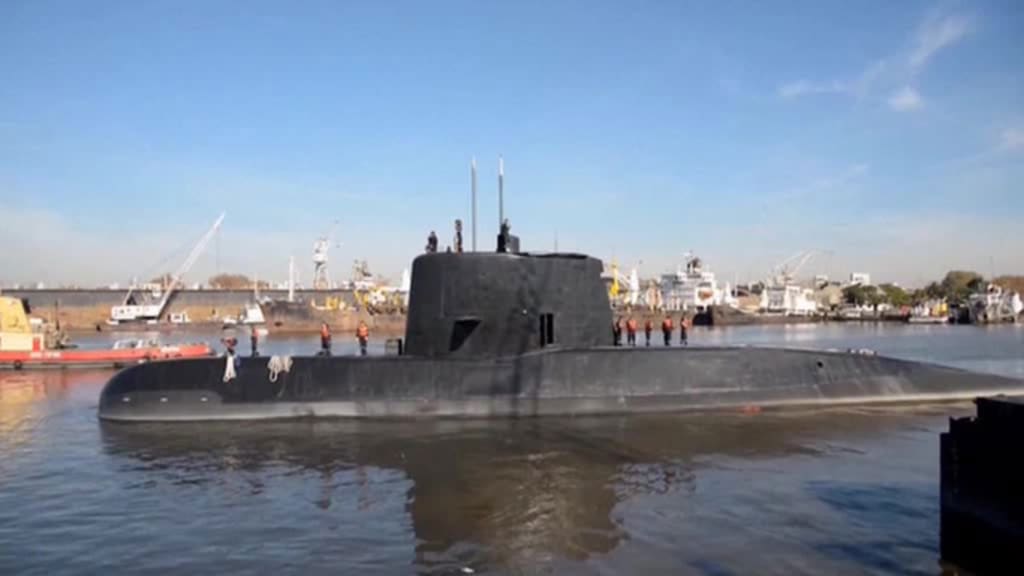
A submarine is a specialized watercraft designed to operate underwater. It works on the principle of buoyancy and uses a combination of ballast tanks, propulsion systems, and various equipment to navigate, submerge, and resurface.
Here's a general overview of how a submarine works:
Buoyancy and Ballast Tanks: A submarine is designed to be buoyant, which means it can float on the water's surface. It achieves this through air-filled ballast tanks located in the hull. By adjusting the amount of air or water in these tanks, the submarine can control its buoyancy and either float or submerge.
Submerging: To submerge, the submarine takes in water into its ballast tanks, which makes it denser than the surrounding water. This causes the submarine to sink. Submarines have special valves to control the flow of water in and out of the tanks, allowing them to adjust their depth.
Resurfacing: To resurface, the submarine expels the water from its ballast tanks by using compressed air. By increasing the buoyancy, the submarine gradually rises to the water's surface.
Propulsion: Submarines use different propulsion systems depending on their design. Most modern submarines use a combination of diesel engines for surface travel and electric motors for underwater propulsion. When on the surface, the diesel engines power the submarine and recharge the batteries. When submerged, the submarine switches to battery-powered electric motors, which are quieter and do not require oxygen.
Navigation and Control: Submarines have a variety of navigation and control systems to maneuver underwater. These include rudders for steering, diving planes for vertical control, and stabilizing fins to maintain stability. They also have various sensors, such as sonar, to detect objects and other vessels underwater.
Life Support Systems: Since submarines are sealed environments, they need to provide life support systems for the crew. These include air purification systems, oxygen generators or tanks, and carbon dioxide scrubbers to maintain a breathable atmosphere. Submarines can also generate their own freshwater from seawater through desalination processes.
Communication and Warfare Systems: Submarines are equipped with communication systems to maintain contact with the surface or other submarines. They also have weapons systems, such as torpedoes and missiles, for self-defense or offensive operations.
It's important to note that there are various types of submarines, including nuclear-powered submarines, which have additional systems like nuclear reactors for propulsion and extended underwater endurance. The specifics of a submarine's design and functionality may vary depending on its purpose and capabilities.
history
The history of the submarine dates back centuries, with the concept of underwater vessels being explored by various civilizations throughout history. However, it was not until the 19th century that significant advancements were made, leading to the development of the modern submarine. Here is an overview of the history of the submarine:
Ancient and Medieval Periods:
Early ideas: The concept of underwater exploration can be traced back to ancient times. The Greek philosopher Aristotle mentioned a diving bell-like device in the 4th century BCE, which was used to explore the depths of the sea.
Submersible attempts: During the 16th and 17th centuries, inventors such as Leonardo da Vinci and Cornelius Drebbel experimented with submersible vessels. These early attempts were usually human-powered and lacked the technology for long-duration underwater operations.
19th Century:
Turtle submarine: The Turtle, designed by American inventor David Bushnell in 1775, is considered the first practical submarine. It was used during the American Revolutionary War, but its impact was limited.
Submarine advancements: The 19th century saw several technological advancements that laid the foundation for modern submarines.
The development of ballast tanks and pumps allowed submarines to control their buoyancy and dive underwater.
The introduction of reliable engines, such as steam engines, enabled submarines to travel underwater for extended periods.
Invention of the first electric battery by Alessandro Volta in 1800 provided a power source for early electrically propelled submarines.
The Nautilus: In 1800, Robert Fulton, an American engineer, built the Nautilus, a steam-powered submarine. It was not very successful, but it demonstrated the potential of steam propulsion for underwater vessels.
Late 19th to Early 20th Century:
The Hunley: During the American Civil War, the Confederate submarine H.L. Hunley became the first submarine to sink an enemy warship, the USS Housatonic, in 1864. However, the Hunley itself was lost during the attack.
Diesel-electric submarines: In the late 19th and early 20th centuries, submarines transitioned from steam power to diesel-electric propulsion systems. This allowed longer and more efficient underwater operations.
World War I: Submarines played a significant role in naval warfare during World War I, with Germany's U-boats conducting unrestricted submarine warfare against Allied shipping.
Interwar period: Following World War I, various countries continued to develop submarines, improving their design, capabilities, and diving depths. The use of periscopes for observation and torpedoes as primary weapons became standard.
World War II and Cold War Era:
Submarines in World War II: Submarines played a crucial role in both the Atlantic and Pacific theaters during World War II. Germany's U-boats targeted Allied shipping, while the United States and Japan employed submarines for reconnaissance and offensive operations.
Nuclear-powered submarines: The development of nuclear power in the 1950s led to the creation of nuclear-powered submarines. The USS Nautilus (launched in 1954) was the world's first operational nuclear-powered submarine, greatly extending their range and endurance.
Submarine-based nuclear deterrence: During the Cold War, nuclear-powered submarines equipped with ballistic missiles became a key component of nuclear deterrence strategies for superpowers like the United States and the Soviet Union.
Modern Era:
Technological advancements: Submarines continue to evolve with advancements in technology. Improved hull designs, quieter propulsion systems, advanced sensors, and computerized command and control systems have enhanced their stealth, endurance, and surveillance capabilities.
Specialized submarines
About the Creator
Keep reading
More stories from Alexander Thielens and writers in FYI and other communities.
How does a
A roller shutter is a type of door or window covering that consists of multiple horizontal slats or panels hinged together. It operates on a mechanism that allows it to roll up or down to open or close the opening it covers. Here's a general overview of how a roller shutter works:
By Alexander Thielens3 years ago in FYI
A Failed Artist, A Disillusioned Poet, An Underpaid Game Show Host
I took my son and niece to Gori, a small town in Georgia where Joseph Stalin was born. They talked me into visiting the Stalin's Museum, the largest in the post-Soviet space. I had resisted going there because I just can't stand the monster and know enough about him, or so I thought.
By Lana V Lynx24 days ago in FYI
The Rise of AI Agents at Work
For years, businesses have invested in software to speed things up. Tools to manage tasks. Tools to track progress. Tools to automate steps. Yet despite all this technology, work often still feels slow, fragmented, and dependent on human follow-ups.
By Wama Sompura3 days ago in FYI



Comments
There are no comments for this story
Be the first to respond and start the conversation.