
Iran Hit by Wave of Explosions Amid Escalating Tensions with Trump
Rising Middle East tensions spark international concern as incidents multiply
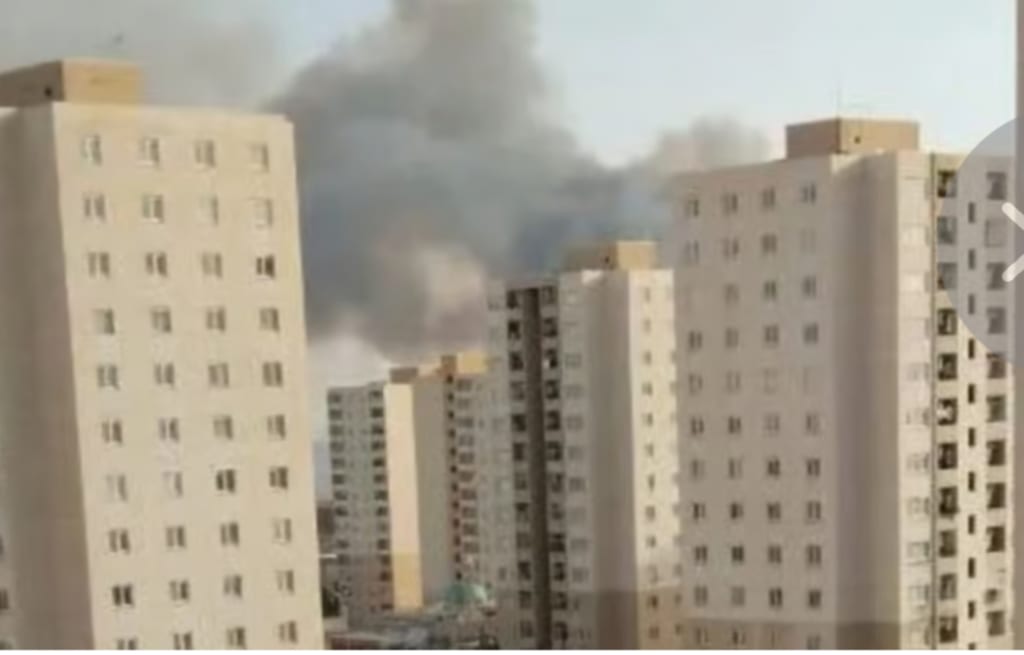
Iran has been hit by a series of explosions across several cities, raising alarms over the stability of the region and intensifying already high tensions with the United States. The wave of blasts, reported over the past few days, comes as former President Donald Trump has repeatedly warned of potential military action against Iran, citing concerns over nuclear development and regional influence.
The unfolding events underscore the fragility of security in the Middle East and highlight how political rhetoric can intertwine with on-the-ground incidents, creating a climate of uncertainty.
Details of the Explosions
Multiple Iranian cities have reported explosions affecting industrial facilities, military installations, and reportedly some civilian areas. While official reports are still limited, media sources suggest that several blasts have caused damage to infrastructure and forced emergency responses.
Local authorities are investigating the incidents, but speculation ranges from accidental industrial explosions to deliberate acts of sabotage. The timing of these events, amid heightened US-Iran tensions, has raised concerns about potential retaliation or covert operations.
Escalating US-Iran Relations
The recent wave of explosions comes amid a backdrop of increasingly tense relations between Iran and the United States. Former President Donald Trump has publicly stated that the US is prepared to consider military options should diplomacy fail to curb Iran’s nuclear ambitions.
Key points in the current escalation include:
Iran’s continued uranium enrichment activities
Reports of missile development and regional military exercises
Retaliatory strikes in proxy conflicts across Iraq, Syria, and Yemen
US troop deployments and naval maneuvers in the Gulf
Analysts say that even small-scale incidents like explosions can be magnified in such a volatile environment, risking miscalculations and further escalation.
Potential Causes and Speculations
While Iranian officials have not confirmed the exact cause of the blasts, observers are considering several possibilities:
Industrial accidents: Given Iran’s complex infrastructure, accidental explosions in factories, refineries, or power plants are plausible.
Sabotage or cyberattacks: Past incidents targeting Iran’s nuclear and energy facilities suggest some of the explosions could be deliberate.
Proxy actions: Regional conflicts involving Israel, Saudi Arabia, and other actors might contribute to indirect strikes or covert operations.
Experts caution that without official confirmation, linking the incidents directly to international actors remains speculative, though the political context fuels heightened concern.
Regional and International Reactions
International observers have expressed alarm over the wave of explosions. The United Nations has called for calm, emphasizing the potential humanitarian and economic consequences of escalation.
Regional powers, including European nations, have stressed the importance of dialogue and restraint, warning that instability in Iran could affect energy markets and security across the Gulf.
Meanwhile, media coverage globally has intensified, with speculation about whether the incidents signal a new phase in US-Iran tensions.
The Role of Trump’s Statements
Donald Trump’s recent remarks about Iran have contributed to international attention. By publicly warning Iran of military consequences, he has underscored a dual strategy of diplomacy backed by force, which may be interpreted as pressure or provocation depending on perspective.
Analysts note that in tense situations, such statements can:
Increase deterrence against further provocative acts
Heighten the risk of accidental escalation
Influence international actors and allies
Affect domestic political narratives
The timing of Trump’s comments alongside the explosion wave has intensified speculation about potential correlations, though causation is not established.
Implications for Global Security
The combination of domestic explosions and geopolitical tension has significant implications:
Energy Markets: Iran is a major oil producer, and any threat to infrastructure can disrupt global oil prices.
Regional Stability: Escalating incidents may trigger retaliatory measures across the Middle East.
Global Diplomacy: Countries invested in the Iran nuclear deal or regional peace have to reassess diplomatic strategies.
Military Risk: The potential for miscalculation between military forces increases dramatically.
Experts emphasize that careful diplomacy and clear communication are critical to prevent escalation into broader conflict.
The Human Dimension
While geopolitical analysts focus on international implications, the human cost cannot be ignored. Reports suggest that explosions may have injured workers and disrupted communities. Emergency services are stretched, and local residents face uncertainty and fear.
Public sentiment within Iran may also be affected, as citizens react to repeated incidents and growing political rhetoric. Maintaining public order and confidence becomes as important as managing international relations.
Next Steps and Watchpoints
Observers will be closely watching:
Iranian government statements on the cause of explosions
Potential retaliatory or preventive measures by Iran
US and allied responses to escalating tensions
Reactions from neighboring Gulf states and international organizations
The coming weeks are likely to be critical in determining whether the situation escalates further or whether diplomacy can provide a stabilizing effect.
Conclusion
The wave of explosions in Iran amid escalating US tensions highlights the precarious balance between diplomacy and military threat. While investigations into the causes are ongoing, the incidents underscore the potential for even localized events to have wide-reaching geopolitical consequences.
As the international community monitors developments, the dual objectives remain clear: ensuring regional stability while managing the complex dynamics between the US, Iran, and other key stakeholders. The situation serves as a reminder that in a highly connected and politically tense world, local events can ripple into global impact.
About the Creator
Keep reading
More stories from Aarif Lashari and writers in FYI and other communities.
Iran in ‘Serious Discussions’ with US, Trump Says, as Military Threat Looms
The United States and Iran are reportedly engaged in “serious discussions”, former President Donald Trump stated, as regional tensions rise and the prospect of military action looms. The announcement comes amid months of growing unease over Iran’s nuclear ambitions, regional influence, and repeated warnings from Washington regarding potential escalation.
By Aarif Lashariabout 4 hours ago in Journal
A Failed Artist, A Disillusioned Poet, An Underpaid Game Show Host
I took my son and niece to Gori, a small town in Georgia where Joseph Stalin was born. They talked me into visiting the Stalin's Museum, the largest in the post-Soviet space. I had resisted going there because I just can't stand the monster and know enough about him, or so I thought.
By Lana V Lynx26 days ago in FYI
Who Could Be The Next Leader of Iran
As the cameras roll and analysts sharpen their talking points, the United States appears to be quietly assembling the pieces for a major military move in the Middle East—one that, if carried through, could aim directly at the heart of Iran’s political system. Whether this buildup ultimately leads to the removal of Ali Khamenei, Iran’s Supreme Leader, remains uncertain. Even senior officials in Washington admit as much. But the harder question, and the one that matters most, isn’t how such a move would happen. It’s what comes after.
By Lawrence Lease3 days ago in FYI


Comments
There are no comments for this story
Be the first to respond and start the conversation.