
Iran in ‘Serious Discussions’ with US, Trump Says, as Military Threat Looms
Tensions escalate in the Gulf amid high-stakes diplomacy
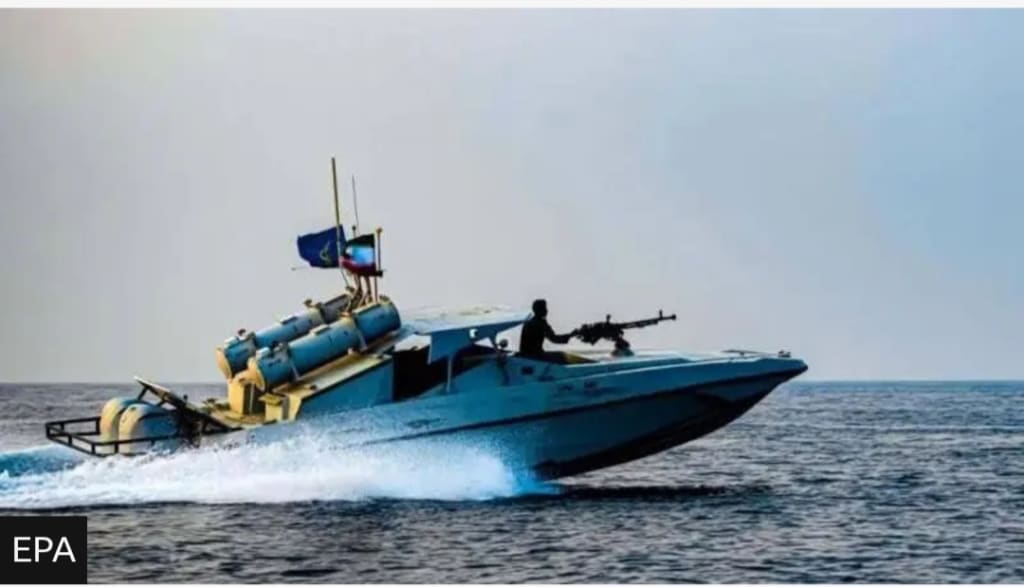
The United States and Iran are reportedly engaged in “serious discussions”, former President Donald Trump stated, as regional tensions rise and the prospect of military action looms. The announcement comes amid months of growing unease over Iran’s nuclear ambitions, regional influence, and repeated warnings from Washington regarding potential escalation.
Trump’s remarks highlight the delicate balance between diplomacy and deterrence in the Gulf, where both countries face global scrutiny over any misstep.
Background: Rising Tensions in the Gulf
Over the past year, US-Iran relations have been marked by volatility. The breakdown of the 2015 nuclear deal and subsequent reimposition of US sanctions created an environment of mistrust. Meanwhile, Iran has accelerated uranium enrichment activities, drawing international attention and condemnation.
Key factors contributing to heightened tensions include:
Iran’s expanding nuclear capabilities
Regional proxy conflicts in Iraq, Syria, and Yemen
Attacks on shipping and energy infrastructure
Increased US military presence in the Gulf
These dynamics make any official talks a critical barometer for global security.
Trump’s Statement on Diplomacy
Speaking at a recent event, Trump stated that the US and Iran were in serious discussions, without specifying the forum, scope, or expected outcomes. While he emphasized that military action remained on the table, he suggested that both sides were exploring avenues to avoid immediate confrontation.
Political analysts note that such statements serve multiple purposes:
Signaling readiness for diplomacy
Deterring potential Iranian aggression
Reassuring domestic audiences about US strategic positioning
The Military Dimension
Despite ongoing talks, the threat of military escalation remains tangible. US defense officials have repeatedly stressed that military options are being considered should diplomacy fail.
Military planners are monitoring:
Iran’s nuclear enrichment facilities
Missile capabilities and deployment
Regional military infrastructure
Maritime routes critical for oil exports
The Gulf’s strategic importance, combined with Iran’s military assets, underscores the high stakes involved.
International Reactions
Global leaders and organizations have urged caution. The United Nations and European Union have called for dialogue and restraint, emphasizing that conflict would have far-reaching economic and humanitarian consequences.
European countries, in particular, remain concerned about:
Disruption to global oil markets
Refugee flows from regional conflict
Escalation into broader Middle East warfare
The international community is closely monitoring Washington and Tehran for any signs of concrete diplomatic progress.
Iran’s Position
Iranian officials have consistently maintained that the country will not abandon its nuclear program, asserting it as a sovereign right for peaceful purposes. Tehran has also warned that any military attack would be met with strong retaliation.
Iran’s messaging has focused on:
Asserting regional influence
Defending its nuclear ambitions
Warning against US or Israeli military action
Experts suggest that Iran’s firm stance reflects both domestic politics and regional strategic calculations.
Implications for Global Security
The combination of diplomatic talks and looming military threat creates an atmosphere of uncertainty that extends beyond the Gulf. Analysts warn of possible consequences such as:
Instability in global energy markets
Increased cyberattacks and proxy conflicts
Heightened military alert in neighboring countries
Challenges for international diplomatic frameworks
Both US and Iranian decisions in the coming weeks could significantly shape the trajectory of the region.
Challenges to Diplomacy
While talks are ongoing, several obstacles remain:
Mutual distrust after years of sanctions and military threats
Conflicting regional interests and alliances
Domestic political pressures in both countries
Verification and enforcement mechanisms for any agreement
Diplomatic experts argue that meaningful progress will require both sides to demonstrate flexibility, confidence-building measures, and willingness to compromise.
The Role of Media and Public Perception
Media coverage of US-Iran tensions has amplified the sense of urgency. Headlines often oscillate between imminent military action and hopeful negotiations, shaping public opinion and influencing policymakers.
Public perception is particularly sensitive to:
Reports of military buildups
Statements from political leaders
Coverage of proxy conflicts in the Middle East
Economic and energy market indicators
Managing communication and expectations remains a critical aspect of the unfolding situation.
Looking Ahead
The coming weeks are likely to be decisive for US-Iran relations. Key questions include:
Can diplomacy prevent escalation?
Will sanctions or incentives shape Iran’s decisions?
How will the international community respond to continued tensions?
Could a miscalculation lead to unintended conflict?
Observers agree that while military threat looms, the potential for negotiated solutions remains. The global community is watching closely as both nations navigate a high-stakes balancing act between confrontation and diplomacy.
Conclusion
Donald Trump’s statement that the US and Iran are in “serious discussions” underscores the complexity of Middle East diplomacy. While military options remain on the table, ongoing talks indicate a shared interest in avoiding immediate conflict.
The world now waits to see whether diplomacy can prevail over escalation. Decisions taken in the Gulf in the coming weeks will not only shape US-Iran relations but also have profound implications for regional stability, global energy markets, and international security.
About the Creator
Keep reading
More stories from Aarif Lashari and writers in Journal and other communities.
Public ‘Sick to Death’ of Vape Shops on High Street
Across many towns and cities, high streets have undergone significant changes over the past decade. Traditional retail stores have declined, replaced by convenience outlets, betting shops, and increasingly, vape stores. Now, growing numbers of residents say they are becoming “sick to death” of seeing vape shops dominate high street spaces, sparking national conversations about urban planning, public health, and retail diversity.
By Aarif Lashariabout an hour ago in Journal
Building Organizational Readiness for Accreditation Approval
Understanding Accreditation Readiness Organizational readiness is the foundation of successful accreditation approval. It reflects how well policies, processes, and culture align with required standards. Accreditation bodies assess more than documentation. They evaluate leadership commitment, staff awareness, and daily operations. Readiness ensures compliance efforts are consistent, not reactive. Organizations that prepare early reduce stress and disruptions. Clear understanding of accreditation expectations helps teams focus on meaningful improvements. Readiness transforms accreditation from a one-time event into an ongoing quality framework. This mindset supports sustainable compliance and long-term operational excellence.
By Abdul Mueed3 days ago in Journal
The Duelist
The rays of a dying red sun flashed against the onrushing blade. The grey beards say the key to dueling lies in size, speed, reach, righteous fury, whatever the person in front of them pays them to say. Matteo knew better than any it was none of these and had an undefeated record on these sands to prove it.
By Matthew J. Fromm6 days ago in Fiction




Comments
There are no comments for this story
Be the first to respond and start the conversation.