
Injured While Volunteering in NSW?
Who’s covered, who isn’t, and what to do next if you’re hurt on duty.

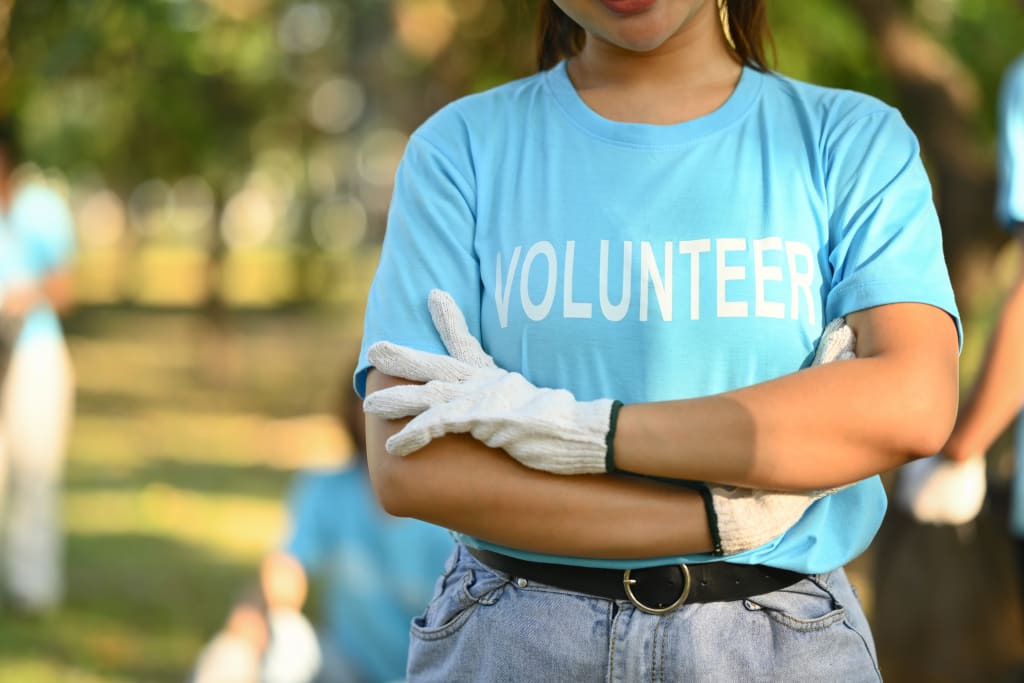
Getting hurt while volunteering is a weird kind of shock.
Because it’s not like a normal job where everyone expects insurance paperwork and HR emails. Volunteering is supposed to be the good part of the week. Helping at the surf club. Turning up to the SES unit. Doing a Marine Rescue shift. Sausage sizzle, charity event, school fete—whatever it is.
Then something goes wrong. A fall. A crush injury. A training accident. A vehicle incident on the way to a call-out.
And the question pops up straight away: “Can workers comp cover this… even though there’s no paycheck?”
Sometimes yes. Sometimes no. And that’s the frustrating bit.
Quick heads-up: this article focuses on New South Wales. Other states and territories run different schemes and rules, so don’t assume it all translates across Australia.
First, what counts as a “volunteer” in NSW?
People assume a volunteer is anyone who helps out for free.
Pretty much. But the legal meaning matters because coverage depends on it.
Generally, a volunteer in NSW is someone who:
- performs work without expectation of payment or reward
- doesn’t have a formal employer–employee relationship with the organisation
- usually isn’t locked into set hours the way an employee is
- does the work for the benefit of others, not personal gain
Now, here’s where it gets interesting: being a volunteer often means being outside the standard workers compensation scheme. That surprises people. It shouldn’t, but it does.
Because “workers comp” sounds like it should cover anyone doing work. But in NSW, the standard scheme is built around employment relationships.
So for volunteers, it’s often about exceptions and special schemes.
The big misconception: “Workers comp automatically covers all volunteers”
Lot of people think if a person is hurt while doing something for an organisation, that’s workers comp. End of story.
Not quite.
The source explains that volunteers are not automatically covered under the standard scheme in the Workers Compensation Act 1987 (NSW). But there are important exceptions—especially for emergency service volunteers.
So the real question becomes: which kind of volunteering is it, and what was happening at the time of injury?
The “deemed worker” idea — the thing that changes everything
Certain NSW volunteers are treated as deemed workers under a separate scheme (the source points to the Workers Compensation (Bush Fire, Emergency and Rescue Services) Act 1987 (NSW)).
That phrase “deemed worker” is basically legal shorthand for: treated like a worker for compensation purposes, even though technically a volunteer.
And yes, that’s the difference between “you might be covered” and “you’re definitely not in the standard lane”.
The source lists examples of volunteer groups that can be eligible, including:
- Marine Rescue NSW
- Surf Life Saving NSW
- NSW Rural Fire Service (RFS)
- Volunteer Rescue Association NSW
- NSW State Emergency Service (SES)
Worth noting: eligibility usually ties to authorised duties. So it’s not just “being a member”. It’s what you were doing and whether it falls inside the recognised scope.
When are volunteers covered? The timing details matter
This is where people get caught, because they assume the only covered moment is the actual emergency.
The source explains coverage can apply for injuries (including illness) that happen:
- while fighting bushfires or doing related firefighting work
- during approved emergency or rescue activities
- while travelling specifically for these activities
- for certain cancers in eligible firefighters with enough service
- if personal belongings are damaged during these duties
Now, a quick reality check: not every “helpful” activity is necessarily covered work under the scheme. The source flags gaps and grey areas—things that can fall outside coverage even when the activity feels essential or risky.
That’s the bit that makes people cranky. Fair enough.
Lodging a claim: who it goes to, and how fast it has to happen
Here’s the practical part.
The source says eligible volunteer claims are lodged with SICorp, and the claim should be lodged within 6 months from the date of injury.
Also, for weekly payments, the source states SICorp has 31 days to decide once it has all necessary documentation.
And there’s a “helpful but easy to miss” feature: provisional payments may be available while the claim is being processed, including:
- weekly payments up to 12 weeks
- medical expenses up to $10,000
That can be a lifesaver if work is missed and money is tight.
Pro tip: don’t wait for the injury to “prove itself” before getting paperwork underway. Volunteering injuries can still involve strict time expectations, and delays can create arguments that don’t need to exist.
What can eligible volunteers actually receive?
The source outlines common entitlements for eligible volunteers, including:
Weekly payments
If the injury leaves a volunteer totally or partially unable to work (in their paid job), weekly payments may apply, based on earnings and capacity. The source provides a table setting out how weekly payments can be calculated across different periods and situations.
This always surprises people: a volunteer injury can still result in weekly payments because the loss is the loss of paid income elsewhere.
Medical and related expenses
Treatment costs can be covered, including:
- medical consultations and treatment
- hospitalisation
- rehab (physio, psychological support)
- domestic assistance, where needed
Permanent impairment compensation
For lasting injuries, lump sum compensation may be available for physical and mental impairments, and sometimes multiple claims may be possible depending on the impairment(s) arising from the incident (as described).
Death benefits
If a volunteer dies from a work-related injury, dependants may receive benefits including lump sum payments, weekly payments, and funeral expenses (with children’s lump sums managed via NSW Trustee & Guardian, per the source).
“Can a volunteer sue?” Sometimes… but it has a threshold
This is the part that gets people curious. Also nervous.
The source says some eligible volunteers may pursue a common law claim/work injury damages if they meet criteria including:
- at least 15% permanent impairment
- negligence (e.g., unsafe conditions, lack of training) causing the injury
That’s not a casual step. It’s not automatic. It’s not available for every injury. But for serious injuries, it’s something that can be explored.
And yes, that’s one reason why Workers Compensation Lawyers can be worth talking to early—because once the wrong steps are taken, options can narrow.
What if SICorp denies the claim?
The source notes that if SICorp disputes the claim, the decision can be challenged through the District Court of NSW.
That sounds intimidating. It doesn’t automatically mean a full-blown trial tomorrow. But it does mean the claim has moved into a more formal dispute space, where evidence and timelines matter even more.
The awkward gap: not all volunteering is covered
This is the genuinely frustrating part.
The source highlights that many volunteers outside emergency services can struggle to access workers compensation coverage. It also lists examples of activities that may fall outside “covered work”, including:
- attending formal meetings for the volunteer service
- responding to motor vehicle accidents
- assisting in flood recovery or search and rescue operations
- helping in non-bushfire-related emergencies
That list makes people go, “Hang on… how is that not covered?”
Exactly. It’s a reminder that schemes are rule-based, not vibe-based. The activity has to fit the legislative box.
If workers comp doesn’t apply, are there other options?
Sometimes, yes. And this is where people forget they have choices.
Public liability claims
The source notes a public liability claim may be possible under the Civil Liability Act 2002 (NSW) if negligence can be shown—duty of care, breach, causation, damage.
Volunteer organisation insurance
Many organisations hold volunteer personal accident insurance (not always mandatory). It can help with medical costs or limited compensation.
Personal insurance
Depending on the policy, income protection, TPD, or personal accident insurance may assist, especially if the volunteer work isn’t within a covered scheme.
Worth noting: insurance policies have their own definitions and exclusions. Sometimes they help. Sometimes they disappoint. It’s worth checking early rather than assuming.
So what does this mean for you?
If injured while volunteering in NSW, don’t start from “I’m not an employee, so there’s no help.”
Start from:
- What volunteer role was it?
- Was it authorised duty (and does it fall into a covered category)?
- What was happening at the time—task, location, travel?
- What injuries and what impact on paid work?
- What deadlines apply (including that 6‑month lodgement window)?
Then get the paperwork moving.
Because the longer it sits, the more likely it becomes a fight about process instead of a focus on recovery.
FAQ: questions people actually ask
Do volunteers get workers compensation in NSW?
Some do, especially certain emergency service volunteers who are treated as deemed workers under a specific scheme. Many other volunteers may not be covered under the standard workers comp system.
If there’s no pay, how can weekly payments apply?
Weekly payments can still apply if the injury affects paid work elsewhere (loss of earnings). The source describes weekly payments depending on incapacity and earnings measures.
Who do volunteer workers comp claims go to?
The source states claims for eligible volunteers are lodged with SICorp.
What’s the time limit to lodge a claim?
The source states the claim should be lodged within 6 months from the date of injury.
What if the claim is denied?
The source states disputed decisions can be challenged through the District Court of NSW.
Can a volunteer bring a negligence/common law claim?
Sometimes. The source notes this may be possible if criteria are met, including 15% permanent impairment and negligence.
Neutral next step
If there’s an injury from volunteering and there’s any uncertainty about coverage, it’s worth getting advice early—mainly to confirm the correct scheme, get the claim lodged on time, and avoid accidental missteps that turn a valid claim into a paperwork disaster.
Legal disclaimer
This article is general information only and does not constitute legal advice. It does not take into account individual circumstances. For advice about your situation, obtain advice from a qualified Australian lawyer.
Source : Workers Compensation for Volunteers in NSW: What You Need to Know
About the Creator
Dan Toombs
Providing strategic support for legal, financial, and healthcare sectors through evidence-based planning and smart execution — built to meet what’s next.
Keep reading
More stories from Dan Toombs and writers in FYI and other communities.
A Failed Artist, A Disillusioned Poet, An Underpaid Game Show Host
I took my son and niece to Gori, a small town in Georgia where Joseph Stalin was born. They talked me into visiting the Stalin's Museum, the largest in the post-Soviet space. I had resisted going there because I just can't stand the monster and know enough about him, or so I thought.
By Lana V Lynx29 days ago in FYI
Men Who Go To War
This morning started a fire within me about how our military in the US is being run. They have taken the LGBTQ+ out of the military, while using the phrase "REAL MEN GO TO WAR". This morning I woke and started my doom scrolling on TikTok, when a TikToker by the name of The Infernum Asylum (warning: it is a man dressed up as a demon per se, however, his words are true) gave the story, THE TRUE STORY behind the phrase, behind the movie 300. I remember when I was heavily involved in Greek History and Mythology when I was in High School, and vaguely remembered as I listened to his video.
By Jessie Lynn Nelson5 days ago in FYI


Comments
There are no comments for this story
Be the first to respond and start the conversation.