
Information About Ocean And Ocean Fishes
The depths of the ocean

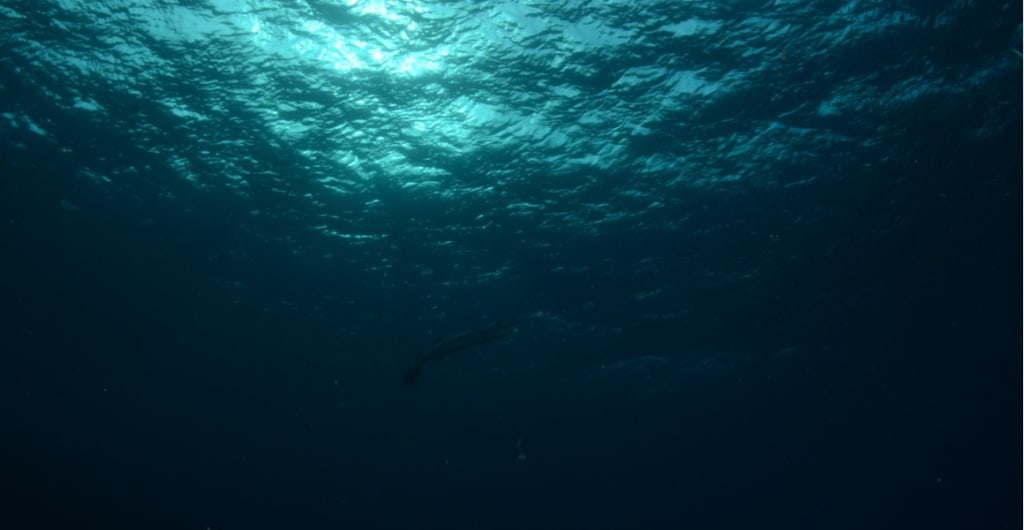
1. The deepest part of the ocean is the Challenger Deep, located in the Mariana Trench in the western Pacific Ocean. It has a depth of approximately 36,070 feet (10,994 meters).
2. The ocean is divided into different zones based on depth and sunlight penetration, including the sunlight zone, twilight zone, midnight zone, abyssal zone, and hadal zone.
3. The pressure in the ocean increases by approximately 14.5 pounds per square inch (1 atm) for every 33 feet (10 meters) of depth. At the depths of the ocean, the pressure can be immense, reaching over 8 tons per square inch (1000 atmospheres).
4. Only a small fraction of the ocean has been explored and mapped in detail, and scientists estimate that up to 80% of the ocean's species have yet to be discovered.
5. The temperature of the ocean decreases with depth, with the surface waters being warmer and the deep waters being colder. At the bottom of the ocean, the temperature can be near freezing, just a few degrees above 0°C.
6. The ocean floor is covered in sediment, which can be made up of a variety of materials, including sand, mud, and rocks. Sediment can accumulate over millions of years and can provide important clues about the Earth's geological history.
7. The ocean plays a crucial role in regulating the Earth's climate by absorbing and distributing heat from the sun. The ocean also acts as a carbon sink, absorbing around 25% of the carbon dioxide emitted by human activities.
8. The ocean is home to a variety of extreme environments, including hydrothermal vents, which are cracks in the ocean floor where hot water and minerals spew out. These vents can support unique ecosystems of organisms that thrive in the extreme conditions.
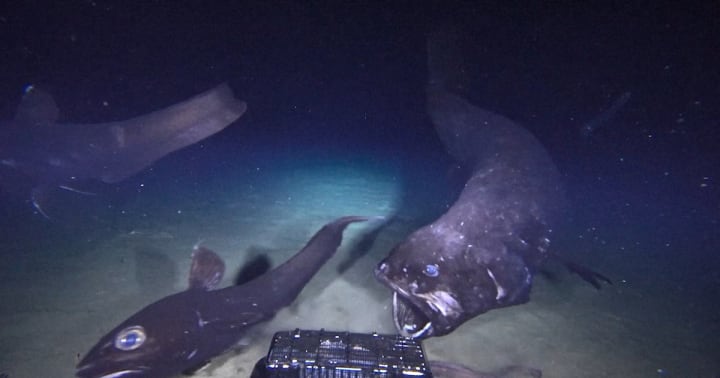
1. The anglerfish is a deep-sea fish known for its distinctive bioluminescent lure. The lure attracts prey towards the anglerfish's massive jaws, allowing it to feed on small fish and crustaceans.
2. The fangtooth fish is a small, but ferocious predator found at depths of up to 16,400 feet (5,000 meters). It has large, needle-like teeth and can swallow prey larger than itself.
3. The gulper eel, also known as the pelican eel, has a distinctive, expandable mouth that it uses to swallow prey whole. It can grow up to 3 feet (1 meter) in length and is found at depths of up to 6,600 feet (2,000 meters).
4. The hatchetfish is a small, silvery fish with a distinctive, hatchet-shaped body. It is found at depths of up to 1,640 feet (500 meters) and has large eyes that help it see in the dark.
5. The lanternfish is a small, bioluminescent fish that makes up a significant portion of the deep-sea biomass. They are found at depths of up to 3,300 feet (1,000 meters) and are an important food source for larger predators.
6. The viperfish is a deep-sea predator with large, needle-like teeth and a long, thin body. It is found at depths of up to 13,000 feet (4,000 meters) and uses its bioluminescent lure to attract prey.
7. The dragonfish is a deep-sea fish with large, fang-like teeth and bioluminescent organs along its belly. It is found at depths of up to 5,000 feet (1,500 meters) and uses its bioluminescence to attract prey and communicate with other members of its species.
8. The barreleye fish, also known as the spookfish, is a unique deep-sea fish that has a transparent, fluid-filled head that allows it to see above and below its body at the same time. It is found at depths of up to 2,300 feet (700 meters) and has large, upward-facing eyes that can detect the silhouettes of prey swimming above it.
About the Creator
Keep reading
More stories from writers in FYI and other communities.
Why Hiring Laravel Developers Still Matters?
In an era dominated by rapid digital transformation, businesses rely heavily on software to stay competitive, responsive, and relevant. From customer-facing platforms to internal tools, the quality of software development directly affects efficiency and growth. One technology that continues to play a vital role in this ecosystem is Laravel, a widely used PHP framework known for its balance of simplicity and power.
By Wama Sompuraa day ago in FYI
Thoughts on Vocal and the way the world is
"Death cannot stop true love, only delay it." – Wesley in The Princess Bride. I decided to come back to Vocal on a very cold and dark night at the end of December. I had been, and still am, convalescing from a horrible staph infection that had gone misdiagnosed for months. This, paired with the increasing challenges of being healthy, making the best choices for my co-parented child, being a wife, and being a director at a new job, was a lot to manage.
By Jazzy 3 days ago in Confessions




Comments (1)
incredible