
Indigenous Deaths in Custody in Australia Reach Highest Level Since 1980
The alarming rise in Indigenous deaths in custody exposes systemic inequality and urgent need for justice reforms.

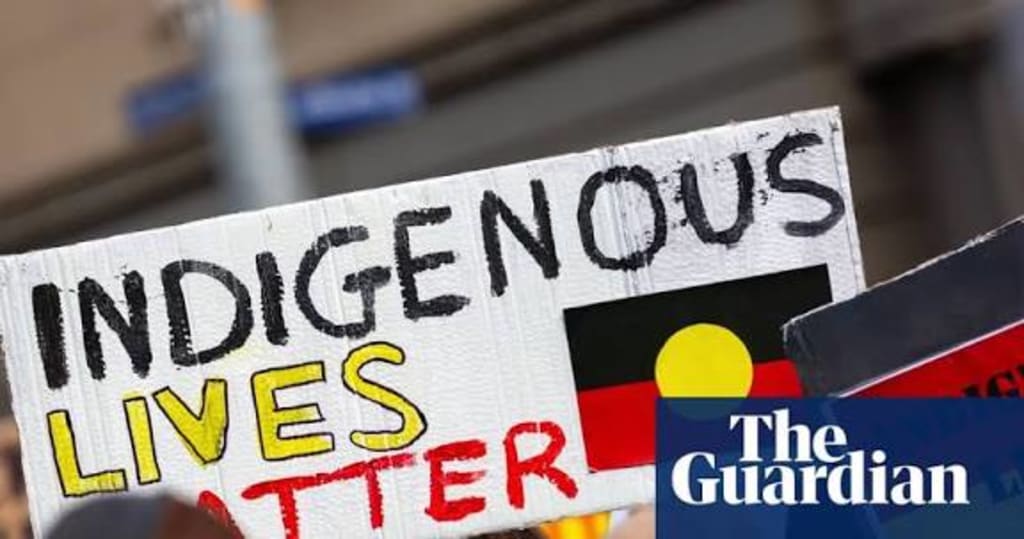
Australia is grappling with a deeply troubling reality as recent reports reveal that Indigenous deaths in custody have reached their highest level since 1980. The disturbing trend has reignited debates about systemic inequality, racial discrimination, and the urgent need for comprehensive reform within the country’s justice system.
Despite decades of public scrutiny, investigations, and recommendations following landmark inquiries, Indigenous Australians continue to be disproportionately affected by custodial deaths, raising serious questions about the effectiveness of past reforms and the systemic challenges that persist.
A Grim Statistical Reality
According to official data, the number of Indigenous Australians who have died while in police or prison custody has spiked significantly, surpassing levels seen in previous decades. While Indigenous people make up only about 3% of the national population, they represent a disproportionately high percentage of deaths in custody, reflecting broader structural inequities in Australia’s justice system.
Analysts point out that the data highlights not only the vulnerabilities of Indigenous detainees but also persistent gaps in health care, oversight, and protective measures within custodial facilities. For many, the journey through the justice system exposes long-standing social and economic disadvantages that amplify the risks of incarceration.
---
Historical Context: The 1987 Royal Commission
The crisis traces back to concerns highlighted by the Royal Commission into Aboriginal Deaths in Custody (1987). The commission investigated 99 deaths and made 339 recommendations aimed at reducing Indigenous incarceration, improving custodial safety, and addressing systemic racism within law enforcement and correctional services.
More than three decades later, Indigenous Australians are still dying in custody at alarming rates, indicating that many of the Royal Commission’s recommendations have yet to be fully implemented or enforced. Advocacy groups argue that political will, funding, and accountability mechanisms remain insufficient to prevent further loss of life.
Root Causes and Contributing Factors
Experts identify several key factors behind the persistent high rates of Indigenous deaths in custody:
1. Overrepresentation in the Criminal Justice System: Indigenous Australians are incarcerated at 12 times the rate of non-Indigenous Australians, a factor that naturally increases the risk of custodial fatalities.
2. Systemic Racism and Discrimination: Many Indigenous people report experiences of racial profiling, unequal treatment, and bias in policing and legal proceedings, contributing to a cycle of incarceration.
3. Health and Mental Health Challenges: Custodial facilities often fail to adequately address pre-existing physical and mental health conditions, which can exacerbate vulnerabilities and lead to preventable deaths.
4. Lack of Oversight and Transparency: Inadequate monitoring of detention centers and limited independent investigations create gaps in accountability, making it difficult to prevent fatalities or hold responsible parties accountable.
Government Response and Criticism
The Australian government has repeatedly acknowledged the problem and pledged reforms. Initiatives have included programs aimed at reducing Indigenous incarceration, improving access to healthcare in prisons, and funding community-led diversion programs.
However, advocacy groups remain critical, emphasizing that pledges have not translated into meaningful systemic change. They argue that without comprehensive reforms — including mandatory implementation of Royal Commission recommendations, culturally sensitive prison practices, and community oversight — deaths will continue at an alarming rate.
Voices from the Community
Families of Indigenous people who have died in custody continue to speak out, highlighting the human cost behind the statistics. Their stories underscore the urgent need for justice, reform, and accountability. Many survivors and advocates call for restorative justice approaches, community-led monitoring, and enhanced cultural awareness in law enforcement to prevent future tragedies.
International Perspective
Indigenous deaths in custody in Australia have drawn attention from global human rights organizations, which have criticized the country for failing to protect vulnerable populations. Reports have noted that, despite Australia’s economic development and democratic governance, Indigenous Australians face systemic injustices that violate their rights and international standards.
The situation underscores the broader global challenge of addressing the rights and safety of Indigenous peoples within modern legal systems.
Looking Ahead
Addressing Indigenous deaths in custody requires a multifaceted approach:
Full implementation of the Royal Commission’s recommendations
Reducing Indigenous incarceration rates through diversion and rehabilitation programs
Improving health and mental health care in detention facilities
Enhancing transparency and accountability in law enforcement and correctional systems
Experts emphasize that meaningful change will not only save lives but also help to rebuild trust between Indigenous communities and institutions designed to protect them.
Conclusion
The rise in Indigenous deaths in custody in Australia is a stark reminder that systemic inequality, neglect, and racism remain pervasive. Despite decades of research, inquiries, and reform promises, Indigenous Australians continue to face disproportionate risks in the justice system.
Moving forward, the nation faces a moral and social imperative: to implement effective reforms, ensure accountability, and respect the human rights of all citizens. Without urgent action, the legacy of preventable deaths will continue to cast a shadow over Australia’s justice system and society at large.
About the Creator
Fiaz Ahmed
I am Fiaz Ahmed. I am a passionate writer. I love covering trending topics and breaking news. With a sharp eye for what’s happening around the world, and crafts timely and engaging stories that keep readers informed and updated.
Keep reading
More stories from Fiaz Ahmed and writers in FYI and other communities.
Sunaina Roshan Opens Up About Her Battle With Social Anxiety: ‘My Legs Shiver, They Go Numb’
Celebrities often appear strong, confident, and untouched by the pressures of daily life. But behind the glamour, many struggle with issues that remain hidden from the public eye. Recently, Sunaina Roshan, sister of Bollywood superstar Hrithik Roshan, opened her heart about her long-standing struggle with social anxiety—a disorder that affects millions but is rarely discussed openly. Her honesty has sparked a powerful conversation about mental health in the Indian entertainment world.
By Fiaz Ahmed about a month ago in FYI



Comments
There are no comments for this story
Be the first to respond and start the conversation.