
Indian Superstitions My Mother Told Me that are Logical and Scientifically True
Some logically and scientifically explained rituals and habits that make sense and have been used by 1.39 billion people for thousands of years.

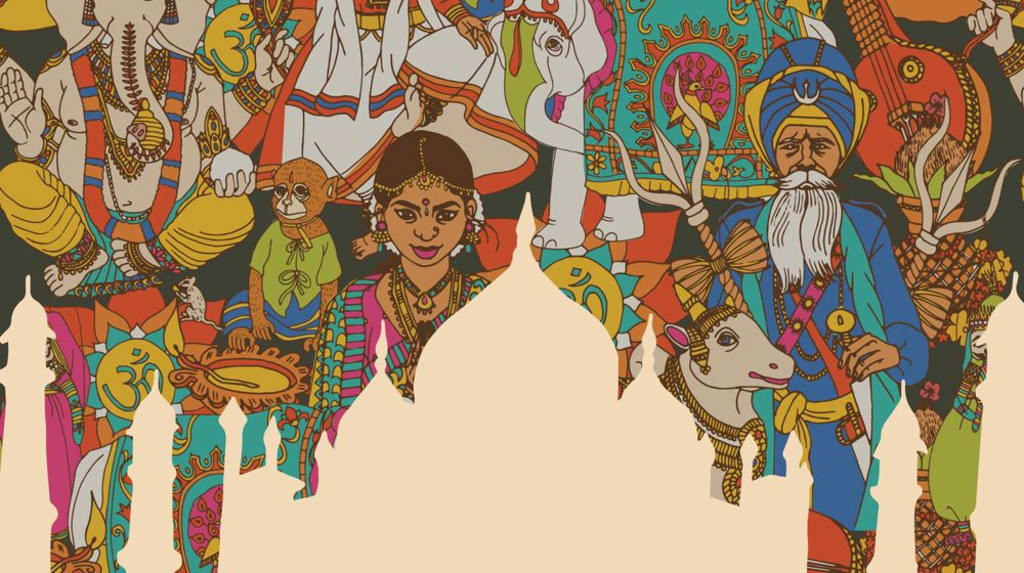
When people think of India, they think of a third-world country, with diverse culture, ancient artifacts mouth-watering cuisine, people worshipping more than three thousand deities and some weird superstitions that are associated with religion and pride.
A few years back these superstitions and rules were bizarre for someone entering first time into this country. But did you know that almost every religious rule or superstition that was followed for hundreds of years in every household of this country is well planned and maintained for better health, prosperity, and better brain functioning? Let’s look at some most common, miss understood, and weird superstitions that every household follows.
The Morning Ritual
In a normal family in India, may it be of any religion it is commonly followed that when you wake up, you first pray to your diety before opening your eyes. This is done to give the day a positive start. The prayers or mantras are ancient scientific equations that are made to release high-frequency sounds that help the brain become calm and focussed.
Then we brush our teeth, take bath, and do prayers, and then we eat our breakfast. Because of the bacterias formed in our mouth throughout the night, eating before brushing your teeth can lead to cavities. A few years back when there were enough Neem trees and industrialization was not at its peak, people used neem stems to clean their teeth and mouth because neem stems have antibacterial properties, when put between the teeth its juice that comes out when pressed between teeth kills bacteria and the bristles clean the outer surface of our teeth.
Let’s move to why we bath before eating, when you take bath with cold water, the temperature of the body reduces, and in order to maintain the temperature, the organs start functioning due to which when you eat after taking bath, the food digests better.
Not Wearing Shoes Inside the House
When you wear your shoes inside the house there is a chance that you will bring unnecessary bacteria in the house which leads to diseases. All the households keep a little version of their diety’s temple in the house facing east direction. As we know, the earth is a giant magnet with its north and south poles. When you face to north or south direction and try to focus on something it becomes difficult because of the strong magnetic field of the earth’s magnet. The magnet puts pressure on the brain if you sit or sleep in the north or south direction most times during day and night, making us feel drained and tired. Also, when you combine the place of your worship and your residence you are bound to keep it clean keeping it full of positive energy.
Lemon and Chilly on the Door
Indians are very strict with this one, it is logical as well. You might have seen a lemon tied with green chilies on the doors of every Indian house, shop, or offices. The thread which is used to tie the lemon with chilies is of cotton. The citrus smell of lemon and the spice of chilies spreads on the cotton thread keeping small insects away.
In similar ways, the Tulsi plant is kept outside every house to keep the environment clean. As the tulsi plant is a great source of antibiotics, is highly medicinal, and used in Indian cuisine to boost immunity. Because of its benefits, the plant is worshiped so that it is protected and every household uses and takes care of it as a diety.
Women During Menstruation
Well, this one is even misunderstood by most Indians. When there were gigantic temples in the south and farms in the north. The women used to work in the fields as well as cook in the house. Similarly, they used to work in the temples during the days and cook in the house for their families in the southern part of the subcontinent. During menstruation, the body of a woman becomes weak as it utilises most of its energy to clean out the waste of the body every month. So, to make them rest during the menstruation cycles the women were asked not to come to the temple and fields. In some areas of the country a menstruating woman is kept totally away from the family, she sleeps, eats, and baths in a different area of the house to keeps the bacterias away from the other members of the family.
The Science Behind Jewellery and Tika on the Forehead
Indian text reads the center of our forehead, the area exactly between the eyebrows as Agni Chakra. It is one of the 7 chakras of the human body according to the Indian ancient texts. The Agni Chakra is considered highly crucial in order to increase the focus of the brain. When sandalwood paste is used as teeka on the Agni Chakra it helps the brain to be focused and the smell of sandal wood paste calms the mind.
There are various acupressure points in our body and wearing the nosering, earing, toering continuously presses those points making which keeps the body connected to our brain. Similarly, gold jewellery is worn for hundreds of years, gold is primarily used to make jewellery because it is easier to make small details on the gold as it is ductile in nature, and it is one of the least reactive metals so it doesn’t react with oxygen. Also gold has health benefits as it regulates the body temperature and heals the nervous as well as the endocrine system of the body. It is also good for the skin, preventing the skin from various diseases and allergies.
Eating Curd and Sugar Before an Important Day
It is a strict rule followed by every family in the country. Curd is fermented milk that is good for digestion and known for keeping our stomach calm and healthy preventing any stomach distress. Sugar is a rich source of calories and gives instant energy increasing the oxygen level in the brain. When the digestion is properly balanced and the body is energetic the brain would work efficiently.
Washing Up After a Day Out
Indians, whenever enter the house whether they were gone for days or they had been out for just 1 hour, they would rush to the washroom and wash up all the exposed areas of their body and change into clean clothes. It is done to prevent the bacterias or viruses from outside the house by washing up first. It is just good sense. Similarly, whenever we meet anyone we join our hands and greet the person by saying namaste. Handshaking is avoided due to the same reason of not spreading any unknown viruses.
Why so many festivals and fastings?
You must be thinking, we have so many deities so it’s logical to celebrate most of them and also due to so many religions so we are bound to have so many festivals. Well, you are partially correct, most of the religions in India have some 8 or 10 festivals that are celebrated by every citizen of the country. Like Diwali and Navaratri, these are celebrated by everyone but the times of these festivals were not just decided out of the bloom. The Indian calenders are highly scientific if you look into the calculations used. The festivals are celebrated according to the positions of stars, sun, and moon which have effects of gravity of the earth and accordingly has an effect on the climate of the area. So according to the climate change the diet should be adjusted, in the summers we eat foods that keep our body temperature cool, in the winters we do the opposite, this is exactly how the fasting is decided. To adapt to climate change, the body needs to reset, in order to reset the system it needs to lose the extra acids for the body to be energetic and the brain to be calm.
Indian cuisine contains, clove, ginger lemon, cardamom, other spices each of which is highly beneficial to the immune system of the body and the working of the brain. They not only make the simple dishes tasty but also make the body, work in a balanced way.
Half of these habits were adopted by the world because of the pandemic last year which the Indians have been using for hundreds of years.
Which of these did you adopt in your daily life?
About the Creator
Keep reading
More stories from writers in FYI and other communities.
Indonesia E-commerce Market: Online Retail Expansion, Digital Payments, and Consumer Adoption
According to IMARC Group’s latest research publication, the Indonesia e-commerce market size reached USD 386.8 Billion in 2025. Looking forward, the market is expected to reach USD 813.8 Billion by 2034, exhibiting a compound annual growth rate (CAGR) of 8.62% during 2026–2034.
By Abhishek Rastogi7 days ago in FYI




Comments
There are no comments for this story
Be the first to respond and start the conversation.