
Why Is Green Cement Emerging as a Game-Changer for Sustainable Construction?
The Rising Importance of Green Cement
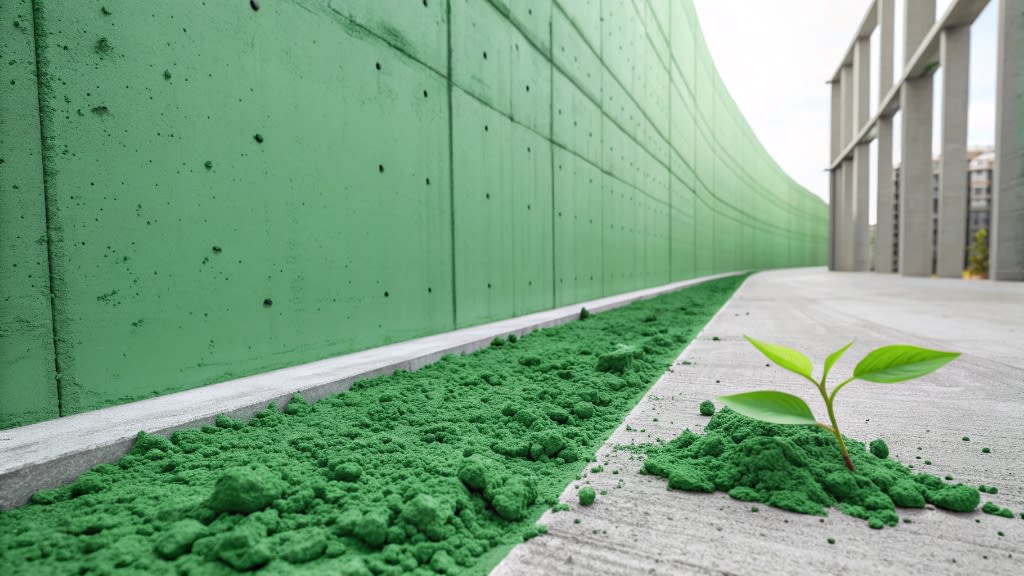
The construction industry plays a crucial role in global development, but it is also one of the largest contributors to carbon emissions and environmental degradation. Traditional cement production is energy-intensive and releases significant amounts of carbon dioxide into the atmosphere. As concerns about climate change, resource depletion, and sustainable development intensify, the need for eco-friendly building materials has become more urgent. This is where green cement is gaining attention as a sustainable alternative.
Green cement is designed to reduce the environmental impact of construction without compromising strength or durability. It supports the global shift toward sustainable infrastructure by lowering emissions, conserving natural resources, and promoting responsible construction practices. As governments, developers, and consumers increasingly prioritize sustainability, green cement is becoming an essential part of modern construction.
Understanding What Green Cement Is
Green cement refers to cement products manufactured using environmentally friendly processes and alternative raw materials. Unlike conventional cement, which relies heavily on limestone and high-temperature kilns, green cement uses industrial by-products, recycled materials, and energy-efficient production methods.
Materials such as fly ash, slag, silica fumes, and recycled aggregates are commonly used in green cement production. These materials not only reduce the need for natural resources but also help reuse industrial waste that would otherwise end up in landfills. The result is a construction material that performs well while significantly reducing its environmental footprint.
Environmental Benefits of Green Cement
One of the most important advantages of green cement is its reduced carbon footprint. Traditional cement manufacturing is responsible for a substantial share of global carbon emissions. Green cement lowers these emissions by using less energy-intensive processes and reducing the amount of clinker required during production.
Green cement also helps conserve natural resources by minimizing the use of limestone and other raw materials. By incorporating recycled and waste-based materials, it supports circular economy principles and reduces industrial waste. Additionally, green cement production often consumes less water and energy, making it a more sustainable choice overall.
These environmental benefits make green cement an attractive solution for projects aiming to meet sustainability certifications and environmental regulations.
Click here to know more about Green Cement Market
Performance and Durability in Construction
A common misconception about green cement is that it may compromise on strength or durability. In reality, many green cement products offer performance comparable to, or even better than, traditional cement. When properly formulated, green cement provides excellent compressive strength, durability, and resistance to chemical attacks.
Green cement is particularly suitable for infrastructure projects, residential buildings, and commercial construction where long-term performance is essential. Its ability to enhance durability can also lead to lower maintenance costs over time, making it economically beneficial in the long run.
As research and innovation continue, the performance characteristics of green cement are expected to improve further, increasing its acceptance across various construction applications.
Role of Regulations and Government Initiatives
Government policies and regulations play a significant role in promoting the use of green cement. Many countries are introducing stricter environmental standards for construction materials and encouraging the adoption of low-carbon alternatives. Incentives such as tax benefits, subsidies, and green building certifications are driving demand for sustainable materials.
Public infrastructure projects are increasingly required to meet sustainability benchmarks, making green cement a preferred choice. Governments are also investing in research and development to support innovation in eco-friendly construction materials, further accelerating adoption.
These regulatory efforts are helping create a favorable environment for green cement and pushing the construction industry toward more responsible practices.
Growing Awareness and Industry Adoption
Awareness of sustainable construction is growing rapidly among builders, architects, and consumers. Green building concepts such as energy efficiency, low emissions, and environmental responsibility are now central to modern construction planning. Green cement aligns perfectly with these objectives, making it an integral component of sustainable building strategies.
Construction companies are increasingly adopting green cement to improve their environmental credentials and meet client expectations. Developers are also recognizing the long-term value of sustainable materials in enhancing brand reputation and compliance with global standards.
As awareness continues to spread, green cement is gradually moving from niche applications to mainstream construction use.
Technological Advancements Supporting Green Cement
Technological innovation has played a key role in the development and adoption of green cement. Advances in material science, manufacturing processes, and quality control have enabled producers to create high-performance, eco-friendly cement products.
Modern production techniques focus on reducing energy consumption, optimizing raw material usage, and improving consistency. Digital tools and automation are also being used to monitor emissions and improve efficiency throughout the production process.
Ongoing research is exploring new materials and methods that can further reduce environmental impact while enhancing performance. These advancements are expected to make green cement more accessible and cost-effective in the coming years.
Challenges Facing Green Cement Adoption
Despite its benefits, green cement faces certain challenges. One of the main barriers is cost. In some regions, green cement can be more expensive than traditional cement due to limited availability and higher production costs. However, as demand increases and production scales up, costs are expected to become more competitive.
Another challenge is lack of awareness and technical knowledge among smaller builders and contractors. Proper training and education are essential to ensure correct usage and performance. Standardization and certification processes are also still evolving in some regions, which can slow adoption.
Overcoming these challenges will require collaboration between governments, manufacturers, and industry stakeholders.
Global Trends and Regional Developments
The adoption of green cement varies across regions, depending on regulatory frameworks, construction activity, and environmental awareness. Developed economies are leading the way due to strong sustainability regulations and advanced construction practices. Meanwhile, developing regions are increasingly exploring green cement as urbanization and infrastructure development accelerate.
Rapid growth in sustainable housing, smart cities, and infrastructure projects is creating new opportunities for green cement. International collaboration and knowledge sharing are also helping spread best practices and encourage wider adoption.
As global focus on sustainability intensifies, green cement is gaining recognition as a key material for future-ready construction.
Future Outlook of Green Cement
The future of green cement looks promising as sustainability becomes a core priority across industries. Continued innovation, supportive policies, and growing awareness are expected to drive long-term growth. As construction demands increase globally, the need for environmentally responsible materials will only become more critical.
Green cement is likely to play a central role in reducing the environmental impact of construction while supporting durable and efficient infrastructure. With ongoing research and expanding adoption, it has the potential to redefine how buildings and infrastructure are constructed in the years ahead.
Conclusion
Green cement represents a significant step toward sustainable construction and environmental responsibility. By reducing carbon emissions, conserving resources, and supporting durable construction, it offers a practical solution to one of the construction industry’s biggest challenges.
As governments, businesses, and consumers continue to prioritize sustainability, green cement is set to become an essential building material for the future. Its growing adoption reflects a broader commitment to building a cleaner, more sustainable world without compromising on quality or performance.
About the Creator
Keep reading
More stories from Rohit Shah and writers in Futurism and other communities.
Why Is Data Center Cooling Becoming Critical in a World Powered by Data?
As the world becomes increasingly digital, data centers have emerged as the backbone of modern technology. From cloud computing and artificial intelligence to streaming platforms and online banking, almost every digital service relies on data centers operating around the clock. However, behind this massive data processing capability lies a major challenge: heat generation. Servers, storage systems, and networking equipment produce enormous amounts of heat, making effective cooling essential for uninterrupted operations.
By Rohit Shahabout 10 hours ago in Futurism
Saudi Arabia Modular Data Center Market: Digital Infrastructure Development & Growth
According to IMARC Group's latest research publication, Saudi Arabia modular data center market size reached USD 338.7 Million in 2025. The market is projected to reach USD 958.7 Million by 2034, exhibiting a growth rate (CAGR) of 12.26% during 2026-2034.
By Faisal Al-Harbi4 days ago in Futurism


Comments (1)
Nice