
Why Is Data Center Cooling Becoming Critical in a World Powered by Data?
The Growing Importance of Data Center Cooling
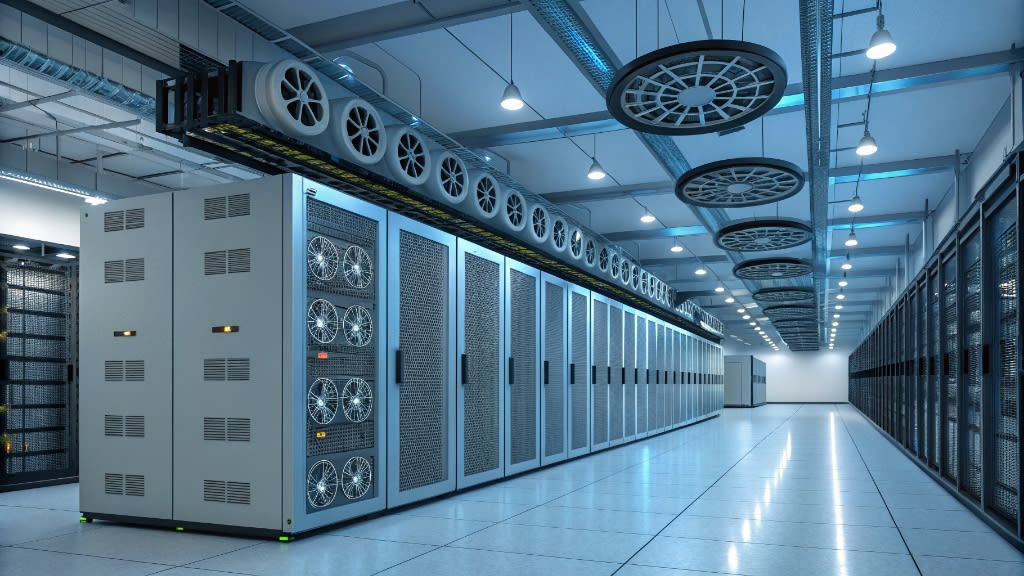
As the world becomes increasingly digital, data centers have emerged as the backbone of modern technology. From cloud computing and artificial intelligence to streaming platforms and online banking, almost every digital service relies on data centers operating around the clock. However, behind this massive data processing capability lies a major challenge: heat generation. Servers, storage systems, and networking equipment produce enormous amounts of heat, making effective cooling essential for uninterrupted operations.
Data center cooling is no longer just a technical requirement; it has become a strategic priority. Without proper cooling systems, data centers face risks such as equipment failure, reduced performance, higher energy consumption, and costly downtime. As data usage continues to grow exponentially, efficient cooling solutions are becoming more critical than ever.
Understanding How Data Center Cooling Works
Data center cooling refers to the technologies and processes used to maintain optimal temperature and humidity levels within a data center facility. These systems ensure that IT equipment operates within safe temperature limits, preventing overheating and extending hardware lifespan.
Cooling systems work by removing excess heat generated by servers and transferring it away from the equipment. Traditional cooling methods relied heavily on air conditioning systems, but modern data centers now use a combination of advanced airflow management, liquid cooling, and energy-efficient technologies to improve performance and reduce costs.
Maintaining the right balance between cooling efficiency and energy consumption is a key objective, as cooling can account for a significant portion of a data center’s total energy usage.
Key Drivers Behind the Rising Need for Advanced Cooling
The rapid growth of digital technologies is a major driver behind the increasing demand for advanced cooling solutions. Cloud computing, big data analytics, artificial intelligence, and the Internet of Things require high-density computing environments, which generate more heat than traditional systems.
Another important factor is the expansion of hyperscale and edge data centers. Hyperscale facilities process massive volumes of data, while edge data centers are located closer to end users to reduce latency. Both require reliable and efficient cooling systems to maintain performance across diverse locations and conditions.
Regulatory pressure and sustainability goals are also influencing cooling strategies. Governments and organizations are pushing for energy-efficient infrastructure to reduce carbon emissions, making advanced cooling technologies an essential part of compliance and environmental responsibility.
Click Here if you want to know more about Data Center Cooling Market
Evolution of Cooling Technologies in Data Centers
Cooling technologies have evolved significantly over the years. Early data centers relied heavily on basic air-conditioning systems, which were often inefficient and costly. As computing density increased, these traditional systems struggled to keep up with rising heat loads.
Modern cooling solutions focus on precision and efficiency. Hot aisle and cold aisle containment systems help manage airflow more effectively by separating hot exhaust air from cool intake air. This reduces energy waste and improves overall cooling performance.
Liquid cooling has also gained attention as a highly efficient alternative. By using liquids to absorb and transfer heat directly from components, liquid cooling offers superior thermal performance compared to air-based systems. This approach is particularly useful for high-performance computing and AI workloads.
Role of Energy Efficiency and Sustainability
Energy efficiency has become a central focus in data center cooling. Cooling systems consume a large share of total power, making efficiency improvements critical for cost reduction and environmental impact. Organizations are increasingly adopting cooling technologies that minimize energy use while maintaining optimal performance.
Free cooling is one such approach, where external air or water is used to cool data centers when environmental conditions allow. This reduces reliance on mechanical cooling and lowers energy consumption. Advanced monitoring and automation systems also help optimize cooling operations in real time.
Sustainability is closely tied to these efforts. Many data center operators are committing to carbon neutrality and renewable energy usage. Efficient cooling systems support these goals by reducing overall power demand and enabling greener operations.
Impact of Data Center Design on Cooling Requirements
The design and layout of a data center play a crucial role in determining cooling efficiency. Factors such as server density, rack arrangement, airflow patterns, and facility size all influence cooling needs. Poor design can lead to hotspots, uneven cooling, and wasted energy.
Modern data centers are increasingly designed with cooling in mind from the beginning. Modular designs, scalable cooling infrastructure, and intelligent airflow management help ensure flexibility and efficiency as data centers expand or upgrade their systems.
Edge data centers, in particular, present unique challenges due to space constraints and varied environmental conditions. These facilities require compact, reliable cooling solutions that can operate effectively in diverse locations.
Challenges in Implementing Advanced Cooling Solutions
Despite technological advancements, implementing efficient cooling systems comes with challenges. High upfront costs for advanced cooling technologies can be a barrier, especially for smaller operators. Retrofitting older data centers with modern cooling systems can also be complex and expensive.
Another challenge is balancing performance with sustainability. While advanced cooling solutions offer better efficiency, they require careful planning, monitoring, and skilled management to deliver optimal results. Lack of expertise or poor implementation can reduce effectiveness and increase operational risks.
Additionally, rising global temperatures and climate variability are making cooling more challenging in certain regions, increasing the need for resilient and adaptable solutions.
Regional Trends and Global Expansion
The demand for data center cooling solutions is growing worldwide, driven by digital transformation across industries. Developed regions with high cloud adoption and advanced IT infrastructure are leading in the adoption of innovative cooling technologies.
At the same time, emerging economies are investing heavily in data center infrastructure to support digital services, e-commerce, and smart city initiatives. As new facilities are built, there is a strong focus on deploying efficient and sustainable cooling systems from the outset.
Global standardization efforts and best practices are also helping improve cooling efficiency and reliability across regions, ensuring consistent performance and energy optimization.
Future Outlook of Data Center Cooling
The future of data center cooling is expected to be shaped by innovation, automation, and sustainability. Artificial intelligence and machine learning are increasingly being used to optimize cooling performance by predicting heat patterns and adjusting systems in real time.
Liquid cooling and immersion cooling are likely to gain wider adoption as computing density continues to rise. These technologies offer significant efficiency advantages and support the growing demand for high-performance workloads.
As data centers continue to expand and evolve, cooling will remain a critical component of infrastructure planning. The focus will shift toward smarter, greener, and more resilient cooling solutions that align with long-term digital and environmental goals.
Conclusion
Data center cooling has become a vital element of the digital ecosystem, ensuring reliability, efficiency, and sustainability in a data-driven world. As data consumption grows and computing demands increase, the importance of effective cooling solutions will continue to rise.
By adopting advanced technologies, improving energy efficiency, and prioritizing sustainable practices, data centers can meet the challenges of modern computing while minimizing environmental impact. In the years ahead, cooling will play a defining role in shaping the future of data infrastructure and global digital growth.
About the Creator
Keep reading
More stories from Rohit Shah and writers in Futurism and other communities.
Why Is the B2B Payments Market Undergoing a Major Digital Transformation?
Business-to-business payments form the backbone of global trade and commerce. Every transaction between manufacturers, suppliers, distributors, wholesalers, and service providers depends on reliable payment systems. Unlike consumer payments, B2B payments often involve large transaction values, longer payment cycles, multiple approval layers, and complex documentation. Because of this complexity, B2B payments have traditionally relied on manual and paper-based processes.
By Rohit Shahabout 7 hours ago in Futurism
Cat Food Market: Functional Nutrition, Digestive & Urinary Health & Growth Outlook
According to IMARC Group's latest research publication, The global cat food market size was valued at USD 37.07 Billion in 2024. Looking forward, IMARC Group estimates the market to reach USD 49.80 Billion by 2033, exhibiting a CAGR of 2.99% from 2025-2033
By Michael Richarda day ago in Futurism
DC-DC Converter Market: Modular Architectures & Custom Power Solutions
Driven by electric vehicle adoption, renewable energy integration, industrial automation, and rising demand for efficient power management across electronics, telecom, and data center infrastructure worldwide. According to IMARC Group's latest research publication, global DC-DC converter market size reached USD 12.3 Billion in 2024. Looking forward, IMARC Group expects the market to reach USD 22.0 Billion by 2033, exhibiting a growth rate (CAGR) of 6.36% during 2025-2033.
By Andrew Sullivan4 days ago in Futurism
One Unchecked Box
"Republished" because it was the only way to add the embed for the newly recorded audio version of this story due to the Top Story badge. Plus it serves as a nice, informal announcement of the podcast's revival for another season (go subscribe!):
By Stephen A. Roddewig6 days ago in Fiction



Comments
There are no comments for this story
Be the first to respond and start the conversation.