
Cryo-Hibernation: The Key to Unlocking Humanity’s Interstellar Future
Because Long Road Trips in Space Need a Nap Break

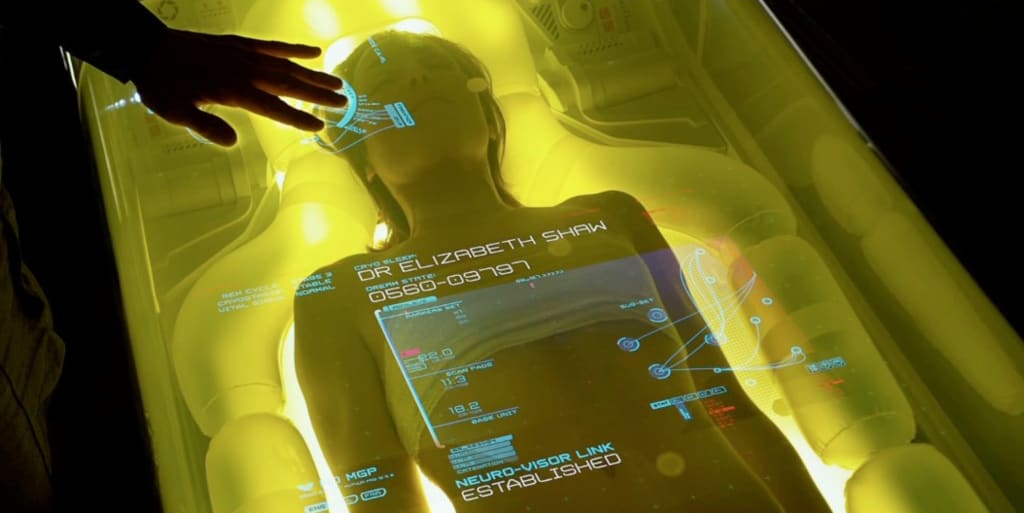
As humanity sets its sights on the stars, the challenge of long-duration space travel looms larger than ever. The vast distances between celestial bodies demand innovative solutions to preserve resources, protect crew health, and maintain psychological well-being. Enter cryo-hibernation—a revolutionary concept inspired by nature’s hibernating animals and grounded in cutting-edge science. By placing astronauts into a state of suspended animation, cryo-hibernation promises to slow metabolic processes to a near standstill, allowing humans to “sleep” through the years or even decades required for interstellar travel.
The idea is as captivating as it is complex, blending elements of science fiction with tangible advancements in medical cryopreservation. For decades, scientists have dreamed of freezing the clock on biological processes to overcome the limitations of human endurance, and now, the space age may offer the perfect proving ground. Imagine a crew tucked into cryo-pods, their bodies sustained with minimal resources while their spacecraft silently cruises through the black void of space. This vision could transform not just how we explore the cosmos but also how we imagine humanity’s future beyond Earth.
Cryo-hibernation is more than just a tool—it’s a ticket to the stars, offering solutions to radiation exposure, resource conservation, and the psychological toll of isolation. But with every innovative leap comes a cascade of challenges. How do we safely induce hibernation in humans without permanent harm? How do we wake them when they arrive at their destination? And perhaps most intriguingly, how far could we travel before the distances become insurmountable? This article dives deep into the science, ethics, and potential of cryo-hibernation, exploring how it could become humanity’s greatest asset in its quest to conquer the stars.

Benefits of Cryo-Hibernation in Space Travel
Cryo-hibernation isn’t just a fascinating concept; it’s a practical solution to many of the challenges that make long-duration space travel so daunting. From cutting down on resource consumption to preserving crew health, its benefits could revolutionize the way we explore the cosmos.
1. Reduction of Resource Consumption
One of the most immediate advantages of cryo-hibernation is its potential to drastically reduce the resources required for space missions. In a hibernative state, astronauts would need minimal oxygen, water, and food to survive. This would free up significant storage space onboard, allowing spacecraft to carry more scientific equipment, additional crew members, or critical supplies for establishing colonies on distant worlds. With fewer provisions required, the overall weight of the spacecraft would decrease, which, in turn, lowers launch costs—a crucial factor in planning any mission.
2. Radiation Protection
Extended exposure to cosmic radiation is one of the biggest health risks for astronauts. Cryo-hibernation could mitigate this threat in two ways: first, by reducing the amount of time astronauts are metabolically active, thus limiting radiation damage to living cells; and second, by using the cryo-pod environment itself as a shield. Pods filled with water or gel-like fluids could act as natural radiation barriers, as water is highly effective at absorbing radiation. This double layer of protection could make deep-space missions far safer.
3. Psychological Strain
The psychological toll of being confined in a spacecraft for years can be devastating. Isolation, monotony, and the lack of a natural environment can lead to depression, anxiety, and interpersonal conflicts among crew members. Cryo-hibernation eliminates much of this strain by putting astronauts into a state of unconsciousness for the majority of the journey. This not only minimizes the need for extensive psychological support systems but also reduces the complexity of managing long-term social dynamics in tight quarters.
4. Health Advantages in Microgravity
Living in a microgravity environment for extended periods can wreak havoc on the human body, causing muscle atrophy, bone density loss, and cardiovascular strain. Cryo-hibernation could slow or even halt these degenerative effects by significantly reducing physical activity and metabolic demand. While not a complete solution to microgravity’s challenges, it could serve as an important tool to preserve astronauts’ physical health during long missions.
5. Cost Efficiency
Every kilogram sent into space is a financial burden, with current launch costs hovering at thousands of dollars per kilogram. By drastically reducing the need for consumables like food, water, and breathable air, cryo-hibernation lowers the spacecraft’s payload weight. This creates significant savings, making ambitious missions—such as interstellar travel—more economically feasible. Additionally, fewer active crew members mean less wear and tear on spacecraft systems, potentially extending mission durations without the need for frequent maintenance.
6. Enabling Space Missions
Finally, cryo-hibernation unlocks the potential for missions that would otherwise be impossible. Whether traveling to Mars, colonizing exoplanets like Kepler-452b, or exploring the moons of distant gas giants, cryo-hibernation extends the reach of human exploration by allowing crews to remain dormant through the most arduous parts of their journeys. This not only saves time and resources but also ensures that astronauts arrive at their destinations physically and mentally prepared for the challenges ahead.
Cryo-hibernation isn’t just a technological marvel—it’s a necessity for humanity’s journey into the vast unknown. Its ability to conserve resources, protect health, and reduce costs makes it one of the most promising innovations for the future of space exploration.

How Far Could We Travel?
The ultimate promise of cryo-hibernation lies in its potential to extend humanity’s reach deeper into the cosmos than ever before. By reducing the active presence of astronauts during travel, this technology raises exciting possibilities for interplanetary and interstellar missions. However, how far we can go depends on a careful balance between technology, biology, and physics.
1. Duration of Cryo-Hibernation
Current scientific understanding suggests that humans might be able to remain in a hibernative state for weeks to months without significant harm, based on experiments with medical hypothermia. For missions within our solar system, such as to Mars (approximately 7-9 months of travel), this duration would be sufficient. Extending hibernation to years or even decades, however, requires significant breakthroughs in metabolic control and tissue preservation. Researchers envision advancements in nanotechnology and cryoprotectants as the key to safely maintaining human life in cryo for long periods.
2. Practical Resurfacing Needs
While cryo-hibernation could theoretically keep astronauts dormant for extended periods, the need for periodic resurfacing depends on factors like spacecraft maintenance and crew health monitoring. For instance, on a multi-year mission to Saturn’s moons or beyond, astronauts might need to wake at scheduled intervals to conduct equipment checks, recalibrate systems, and address unforeseen challenges. The design of self-sustaining spacecraft systems will be crucial in minimizing the frequency of these interruptions.
3. Reaching Nearby Stars
Cryo-hibernation is especially exciting when paired with advanced propulsion systems for interstellar travel. For example, Proxima Centauri, the closest star system to Earth, is 4.24 light-years away. With current technology, such a journey would take tens of thousands of years. However, concepts like nuclear fusion, antimatter drives, or even light sail technology could reduce travel time to a few decades. Cryo-hibernation would allow astronauts to endure these long journeys without experiencing the physical and psychological toll of aging.
4. The Limits of Distance
The farther we aim to travel, the more complex the challenges become. For example:
- Propulsion Constraints: Without faster-than-light (FTL) travel, most journeys beyond 50 light-years could take centuries. Cryo-hibernation might keep crew alive, but mission relevance diminishes as Earth and its technology evolve.
- Pod Durability: Cryo-pods and spacecraft must endure extreme cosmic conditions, such as micrometeoroid impacts and radiation, for decades or centuries. Current materials science is not yet robust enough for such long-term missions.
- Biological Tolerance: Even if cryo-hibernation prevents aging, prolonged suspension could lead to cellular damage or cognitive decline over time. The unknown effects of being "frozen" for decades might impose biological limits on distance.
5. Realistic Targets
While interstellar travel to systems like Alpha Centauri is theoretically possible, missions within our solar system remain more feasible in the near future. Cryo-hibernation could enable humanity to reach Mars, Europa, or Titan in the coming decades, with exoplanet exploration a goal for the next century. Missions to closer stars, such as Proxima Centauri or Barnard's Star (6 light-years away), are the most practical for testing interstellar travel.
6. The Role of Cryo-Hibernation in Multigenerational Missions
For distances too great for a single crew to survive, cryo-hibernation could still play a vital role in “relay missions.” Generations of crews could be cycled in and out of cryo-states, passing the baton to the next team during critical mission phases. This concept blurs the line between individual endurance and humanity’s collective reach into space.
Cryo-hibernation holds the promise of extending human reach farther than ever thought possible, but the technology’s success relies on synergistic advancements in propulsion, biology, and spacecraft design. While the stars may still seem distant, each breakthrough brings humanity closer to the ultimate dream of interstellar exploration.

Potential Impacts on Humans After Cryo-Hibernation
While cryo-hibernation offers exciting opportunities for space exploration, the process of placing humans into a state of suspended animation and safely reviving them raises complex questions about its long-term effects. From physical health to psychological well-being, the impacts of such a transformative experience could shape the future of human space travel.
1. Physiological Effects of Revival
Emerging from a state of cryo-hibernation would involve carefully reactivating metabolic functions, a process that might take hours or even days to avoid shock. While gradual warming and metabolic stimulation are likely to minimize risks, astronauts could face several short-term effects:
- Muscle Weakness and Fatigue: Even with countermeasures, prolonged inactivity could lead to temporary loss of strength and endurance.
- Cardiovascular Adjustments: Restarting normal circulation after slowed blood flow might lead to dizziness or fainting, requiring controlled re-acclimatization.
- Metabolic and Hormonal Imbalances: Restarting natural hormonal cycles could temporarily affect energy levels, mood, and digestion.
In the long term, the risks include tissue damage or organ strain if the process is not carefully managed. Advances in medical technology will be critical to ensure safe recovery.
2. Cognitive and Neurological Impacts
Suspending brain activity and reactivating it after extended periods presents unique challenges. Potential effects include:
- Short-Term Disorientation: Astronauts might wake feeling confused, with impaired memory or spatial awareness.
- Cognitive Decline Risks: Prolonged dormancy could lead to neural degradation, similar to long-term effects seen in patients recovering from induced comas. Preventing such outcomes might involve periodic stimulation during hibernation.
- Emotional Responses: Waking in an unfamiliar environment or after an extended journey could provoke feelings of anxiety, depression, or even existential confusion.
3. Psychological Challenges
The psychological toll of being placed into cryo-hibernation and waking years or decades later could be profound. Key challenges include:
- Cultural and Temporal Displacement: Returning to a society that has evolved significantly during their absence could leave astronauts feeling isolated or irrelevant.
- Interpersonal Dynamics: Crew members waking at different intervals might face difficulties reconnecting after long separations. For missions involving generational shifts, cultural disconnects could arise even within the spacecraft.
- Existential Stress: The sheer experience of effectively skipping years of life might lead to philosophical or emotional struggles, requiring astronauts to undergo extensive psychological preparation and post-revival counseling.
4. Potential Long-Term Health Risks
While cryo-hibernation is designed to minimize aging and physiological wear, unknown long-term risks remain. These could include:
- Organ Damage: Even with cryoprotectants, prolonged inactivity might stress certain organs, particularly the heart and liver.
- Cellular Aging: Slowed metabolism doesn’t entirely stop aging, and subtle cellular changes could accumulate over extended periods.
- Immune System Changes: A dormant immune system might require time to reactivate fully, leaving astronauts initially vulnerable to infections.
5. Preparation and Mitigation Strategies
To address these potential impacts, future missions will need to implement comprehensive preparation and recovery protocols. These could include:
- Medical Monitoring: Advanced sensors in cryo-pods would track health metrics, allowing real-time adjustments to ensure safety.
- Rehabilitation Programs: Upon revival, astronauts might undergo tailored exercise, nutrition, and therapy regimens to regain full functionality.
- Mental Health Support: Ongoing counseling and social integration programs would help astronauts adjust to their new realities.
6. Ethical Considerations
The use of cryo-hibernation raises ethical questions about its impact on human autonomy and consent. For instance:
- How can astronauts fully consent to a process with still-unknown risks?
- What safeguards are in place if revival fails or complications arise?
- How will societies view those who undergo such transformative experiences, and what rights and protections should they have?
Cryo-hibernation holds the key to overcoming some of the most daunting challenges of space travel, offering the potential to transport humans to distant worlds while preserving their health, well-being, and resources. By dramatically reducing the need for food, water, and oxygen, it opens up new possibilities for long-term missions, from exploring distant planets in our solar system to reaching nearby stars. The ability to protect astronauts from the ravages of space radiation and mitigate the psychological toll of isolation makes cryo-hibernation a cornerstone of humanity’s future in space.
However, the technology is not without its challenges. The impacts on human physiology and psychology—both during and after hibernation—remain complex and require careful consideration. As we push the boundaries of space exploration, we must also innovate in areas like medical care, spacecraft design, and ethical standards to ensure that cryo-hibernation can be both safe and sustainable. With continued research and technological advancements, the dream of sending humans on interstellar journeys may one day be a reality, allowing us to explore the universe beyond our wildest imaginations.
In the quest for the stars, cryo-hibernation may not just be the future of space travel—it may be the future of humanity itself.
About the Creator
Christen
Think logically. I know you can do it!
The First Generation That Will Never Know Life Without AI
I realized something strange the other day while watching my nephew do his homework. He was stuck on a math problem for a few minutes, frowned at the page, then casually opened an AI assistant and asked it to explain the concept step by step.
By Armi Ponsica2 days ago in Futurism



Comments (1)
If you have any questions please DM me on Instagram, christen.grooms.