

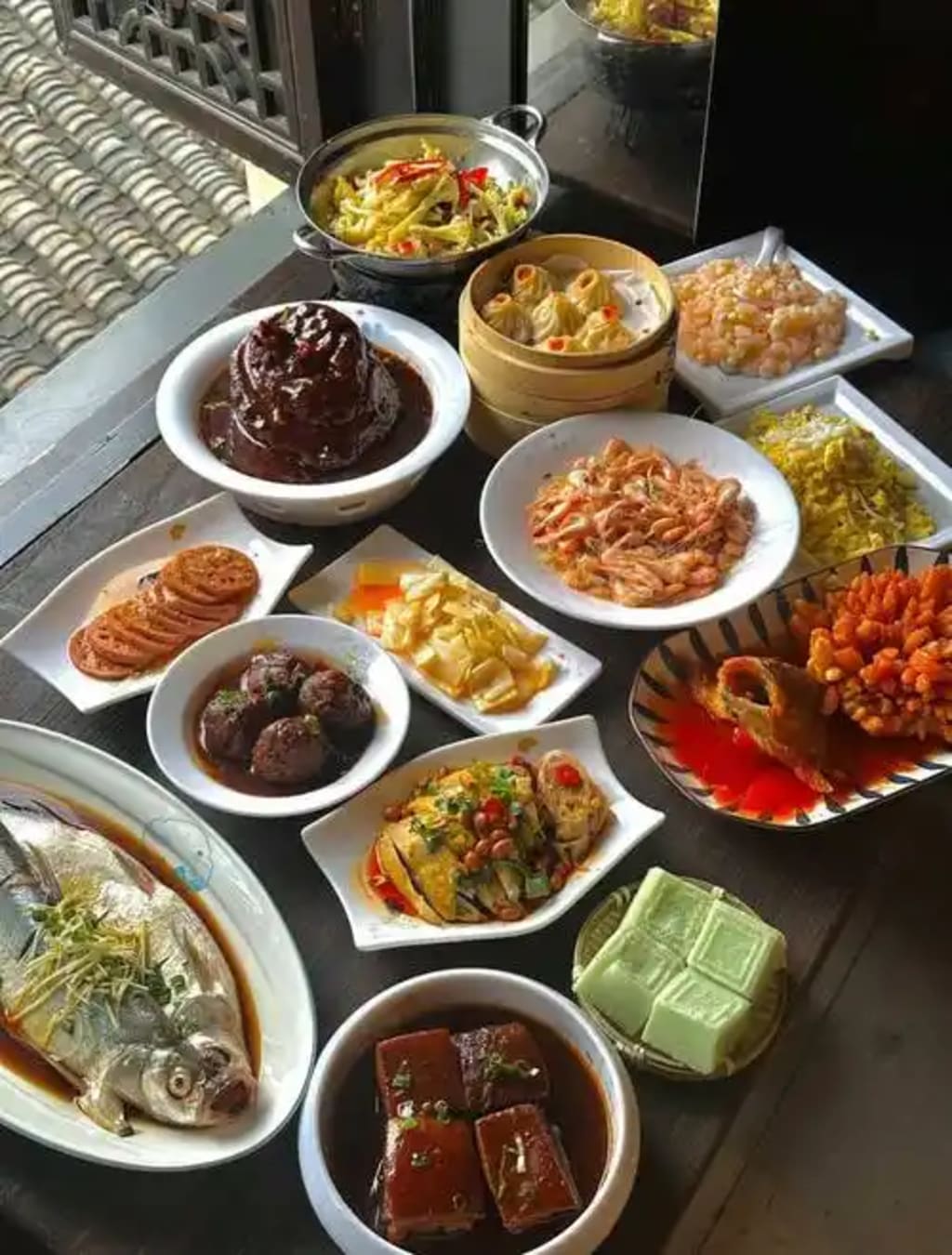
Zhejiang cuisine, also known as Zhe cuisine, is a celebrated culinary tradition in China, renowned for its delicate flavors, fine craftsmanship, and close association with the enchanting West Lake. This body of water not only serves as a source of inspiration for poets and artists but also plays a crucial role in shaping the unique characteristics of Zhejiang cuisine.
Historical Roots
Zhejiang province, with its long - standing history and prosperous culture, has been a center of culinary development for centuries. The fertile land and the abundant waters of the region, including the West Lake, provided a rich variety of ingredients for local cooks. During the Southern Song Dynasty (1127 - 1279), when the capital was established in Hangzhou, the city became a gathering place for chefs from all over the country. This influx of talent led to the integration of different cooking techniques and flavors, laying the foundation for what would become Zhejiang cuisine.
Distinctive Flavors
Emphasis on Freshness
Similar to other coastal cuisines, Zhejiang cuisine places great importance on using the freshest ingredients. The West Lake and its surrounding waterways are teeming with fish, shrimp, and other aquatic delicacies. Chefs often source their ingredients daily, ensuring that diners experience the true essence of the region's produce. For example, the famous West Lake fish in vinegar sauce is made with freshly caught grass carp, which is known for its tender and sweet flesh.
Balanced Seasonings
Zhejiang cuisine is characterized by its use of light and balanced seasonings. Instead of overpowering the natural flavors of the ingredients, seasonings such as light soy sauce, rice wine, and a touch of sugar are used to enhance them. This results in dishes that are refreshing and delicate, with a harmonious blend of flavors. For instance, in the preparation of Dongpo Pork, a classic Zhejiang dish, a slow - cooking process with a combination of soy sauce, rice wine, and sugar gives the meat a rich, yet not overly sweet or salty taste.
Subtle Aromas
Aromas play a significant role in Zhejiang cuisine. Ingredients like scallions, ginger, and osmanthus are used to add a subtle, fragrant note to the dishes. The sweet - scented osmanthus, which is abundant in the region, is often used in desserts and sweet - savory dishes, adding a unique floral aroma that is both refreshing and inviting.
Signature Dishes
West Lake Fish in Vinegar Sauce
This is one of the most iconic dishes of Zhejiang cuisine. A freshly caught grass carp is quickly poached and then topped with a tangy sauce made from vinegar, sugar, and soy sauce. The sauce is thickened to a glossy consistency, and a sprinkle of scallions adds a final touch of freshness. The dish is known for its combination of the tender, almost melt - in - your - mouth fish and the sharp, sweet - and - sour flavor of the sauce.
Dongpo Pork
Named after the famous Song Dynasty poet Su Dongpo, this dish consists of slow - cooked pork belly. The pork is first blanched and then cooked in a mixture of soy sauce, rice wine, and sugar over low heat for hours. The result is a dish with a beautiful red - brown color, where the meat is so tender that it falls apart easily. The fat has melted into a gelatinous texture, creating a rich and indulgent flavor.
Beggar's Chicken
This is a unique and entertaining dish. A whole chicken is first marinated with a blend of seasonings and then wrapped in lotus leaves and covered in a layer of clay. It is then baked in the oven or over an open fire. When the clay is cracked open, the aroma of the chicken and the lotus leaves fills the air. The lotus leaves not only impart a fragrant flavor to the chicken but also keep the meat moist and tender.
Longjing Shrimp
Fresh river shrimp are stir - fried with the famous Longjing tea leaves, which are grown in the mountains near the West Lake. The tea leaves add a subtle, refreshing flavor to the shrimp, while the shrimp's natural sweetness complements the tea's delicate taste. The dish is not only delicious but also visually appealing, with the pink shrimp and the green tea leaves creating a beautiful contrast.
Cultural Significance
Zhejiang cuisine, with its strong connection to the West Lake, is deeply intertwined with the local culture. The lake has inspired countless poems, paintings, and stories, and these cultural elements are often reflected in the cuisine. Dishes are named after literary works or historical figures, and the presentation of the food is often as aesthetically pleasing as a piece of art.
Moreover, food plays a central role in Zhejiang's social and family life. Traditional festivals and celebrations are incomplete without a spread of Zhejiang cuisine. For example, during the Mid - Autumn Festival, mooncakes with local flavors are shared among families, and fish is a common dish during the Chinese New Year, symbolizing abundance and good luck.
In conclusion, Zhejiang cuisine offers a unique culinary experience that combines the beauty of the West Lake with the art of cooking. From its historical roots to its distinctive flavors and signature dishes, it is a cuisine that continues to charm food lovers around the world. Whether you are savoring a bowl of West Lake fish in vinegar sauce or a plate of Dongpo Pork, you are not just tasting food but also experiencing a rich cultural heritage.
About the Creator
hello-word
As a Chinese person, love for the culture of my own country. Nowadays, the global exchange of information is becoming increasingly rapid. I also hope that more people can gain a deeper and more detailed understanding of Chinese culture.
Keep reading
More stories from hello-word and writers in Feast and other communities.
Fujian Cuisine
Nestled along the southeastern coast of China, Fujian province is a haven for food enthusiasts, especially those with a penchant for seafood. Fujian cuisine, also known as Min cuisine, is one of the eight major culinary traditions in China. Renowned for its fresh and light flavors, it showcases the bountiful treasures of the sea in a way that is both delicate and delicious.
By hello-wordabout a year ago in Feast
Astragalus: An Ornamental, Supportive, and Culinary Herb
Astragalus Root/Milkvetch Astragalus is a popular remedy for various ailments today. Commonly found in health food stores and herbal shops in the form of tinctures, grounded encapsulated powders, or as part of an herbal infusion, or sometimes added to teas, astragalus usually makes the list for its purported immune-system and energy-supporting benefits.
By J. Chauncey8 days ago in Feast
Becca
"Everything is so... flat." Denille said stupidly as she looked around her new neighborhood. She looked around at the muted desert where even the smallest sign of life seemed to have given up. The plant life was shrubs that were half cooked by the heat and where there should have been a lawn, a mess of white rocks laid glistening in the sun. Even the sky looked stretched thin, like the sun had ironed it smooth. She’d moved from Riverside, where at least there were hills, but here in Barstow, everything felt baked and brittle.
By Sara Wilson2 days ago in Fiction



Comments
There are no comments for this story
Be the first to respond and start the conversation.