

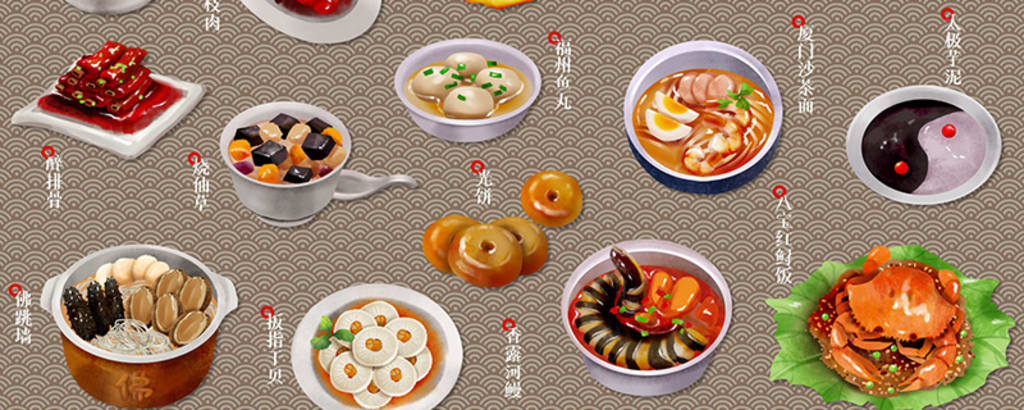
Nestled along the southeastern coast of China, Fujian province is a haven for food enthusiasts, especially those with a penchant for seafood. Fujian cuisine, also known as Min cuisine, is one of the eight major culinary traditions in China. Renowned for its fresh and light flavors, it showcases the bountiful treasures of the sea in a way that is both delicate and delicious.
A Glimpse into the History
The history of Fujian cuisine is as rich as its flavors. With a long coastline and numerous natural harbors, Fujian has been a hub of maritime trade for centuries. This strategic location not only brought in a variety of ingredients from different parts of the world but also influenced the local cooking techniques.
In ancient times, Fujianese fishermen would use simple methods to cook the day's catch. Steaming and boiling were common, as they preserved the natural flavor of the seafood. Over time, as trade flourished, spices and seasonings from Southeast Asia and the Middle East found their way into Fujian kitchens, adding new dimensions to the local cuisine.
The Essence of Fujian Cuisine
Emphasis on Freshness
At the heart of Fujian cuisine is the unwavering commitment to freshness. Seafood is sourced daily from the nearby waters, ensuring that diners get the most vibrant and flavorful experience. Whether it's a succulent fish, plump shrimp, or tender squid, the emphasis is always on using the freshest ingredients.
Mastery of Broth
Fujian cuisine is famous for its broths. Chefs spend hours simmering bones, seafood, and various ingredients to create rich, flavorful broths that serve as the base for many dishes. These broths are not only used to cook the food but also to enhance its taste. For example, in the famous dish "Buddha Jumps Over the Wall," a complex broth made from a combination of abalone, sea cucumber, shark fin, and other delicacies is slow - stewed to perfection, resulting in a dish that is both luxurious and full of depth.
Subtle Seasonings
Rather than overwhelming the palate with strong spices, Fujian cuisine uses seasonings sparingly to enhance the natural flavors of the seafood. Ingredients like light soy sauce, rice wine, and a touch of sugar are used to bring out the sweetness and umami of the fish and shellfish.
Signature Dishes
Buddha Jumps Over the Wall (Fo Tiao Qiang)
This is perhaps the most famous Fujian dish. Its name comes from a legend that even a Buddha, when smelling the aroma of this dish, would jump over the wall to get a taste. A medley of high - end seafood such as abalone, sea cucumber, and shark fin, along with poultry, mushrooms, and Chinese ham, is slow - stewed in a Shaoxing wine jar. The result is a dish with a thick, rich broth and tender, flavorful ingredients.
Braised Pomfret in Brown Sauce
Pomfret is a common fish in Fujian waters. In this dish, the fish is first pan - fried until golden and then braised in a sauce made from soy sauce, rice wine, and sugar. The slow - cooking process allows the fish to absorb the flavors of the sauce, resulting in a dish that is both savory and sweet, with the tender flesh of the pomfret melting in the mouth.
Oyster Omelette (Ouxian Bing)
A popular street food in Fujian, oyster omelette is a simple yet delicious dish. Fresh oysters are mixed with beaten eggs and a batter made from sweet potato starch. The mixture is then fried until the edges are crispy and the eggs are set. Served with a tangy sauce, it offers a contrast of textures - the softness of the oysters and eggs against the crispy exterior.
Seafood Noodles
Fujianese seafood noodles are a hearty and satisfying dish. A bowl of noodles is topped with an array of fresh seafood, including shrimp, mussels, squid, and fish slices. The noodles are cooked in a flavorful seafood broth, which infuses them with the essence of the sea.
The Cultural Significance
Fujian cuisine is not just about food; it's a reflection of the region's culture. Seafood has been an integral part of the Fujianese diet for generations, and it plays a significant role in festivals and family gatherings. For example, during the Chinese New Year, fish is a must - have dish as the word for fish in Chinese ("yu") sounds similar to the word for abundance, symbolizing good luck and prosperity.
In conclusion, Fujian cuisine offers a unique and delightful exploration of the sea's offerings. From its rich history and distinct cooking techniques to its mouthwatering dishes, it is a culinary tradition that continues to captivate food lovers around the world. Whether you're a seasoned foodie or a curious traveler, indulging in Fujian cuisine is an experience that will leave your taste buds dancing with joy.
About the Creator
hello-word
As a Chinese person, love for the culture of my own country. Nowadays, the global exchange of information is becoming increasingly rapid. I also hope that more people can gain a deeper and more detailed understanding of Chinese culture.
Keep reading
More stories from hello-word and writers in Feast and other communities.
Huaiyang Cuisine
In the rich tapestry of Chinese cuisine, Huaiyang cuisine shines brightly as a paragon of elegance, finesse, and refined flavors. Originating from the Huai River and Yangtze River regions in southern China, this culinary tradition has a long - standing history that has been deeply influenced by the region's unique geographical features, prosperous economy, and vibrant culture.
By hello-wordabout a year ago in Feast
The Piggy Project
I’ve had so many names in this life I lose track of which ones were ever really mine and which ones I wore because someone needed me to. Some were handed to me before I had words to refuse them, before I knew what they meant, before I knew I could say no. Most weren’t meant to hurt. That doesn’t mean they didn’t leave marks. Marks that told me who I belong to, who I am by way of who claims me, recognizes me in the good and bad, who walks beside me.
By Fatal Serendipity3 days ago in Confessions



Comments
There are no comments for this story
Be the first to respond and start the conversation.