
Why You Should Eat a Spoonful of Olive Oil Before Drinking Alcohol
Let’s explore why this simple trick can make a significant difference.


# Why You Should Eat a Spoonful of Olive Oil Before Drinking Alcohol
Heading out for a night of fun with friends or attending a social event often involves enjoying a few drinks. While indulging in alcohol can be part of a good time, it’s essential to consider its effects on your body and find ways to minimize the potential negative impacts. One surprisingly effective method is consuming a spoonful of olive oil before you start drinking. Let’s explore why this simple trick can make a significant difference.
## The Benefits of Olive Oil
Olive oil, especially extra virgin olive oil, is renowned for its numerous health benefits. Rich in healthy monounsaturated fats, antioxidants, and anti-inflammatory properties, olive oil is a staple of the Mediterranean diet and has been linked to improved heart health, reduced inflammation, and better digestion. But how does it help when it comes to alcohol consumption?
## How Olive Oil Prepares Your Body for Alcohol
### 1. Coating the Stomach Lining
One of the primary reasons to consume olive oil before drinking alcohol is that it helps coat the lining of your stomach. This coating acts as a protective barrier, slowing down the absorption of alcohol into your bloodstream. By doing so, it can reduce the intensity of the effects of alcohol, allowing you to enjoy your drinks without feeling overwhelmed too quickly.
### 2. Slowing Alcohol Absorption
When you drink alcohol on an empty stomach, it gets absorbed into your bloodstream much faster, leading to a rapid increase in blood alcohol concentration (BAC). Olive oil helps slow this process, giving your body more time to metabolize the alcohol gradually. This can help you maintain better control and reduce the risk of overconsumption.
### 3. Reducing Hangover Symptoms
By slowing down the absorption of alcohol, olive oil can also contribute to reducing the severity of hangover symptoms. A slower absorption rate means that your liver has more time to process the alcohol, potentially leading to less severe hangovers the next day. While it’s not a cure-all, it can certainly help mitigate some of the unpleasant aftereffects of a night out.
### 4. Supporting Digestive Health
Olive oil’s beneficial effects on digestion extend beyond its interaction with alcohol. Regular consumption of olive oil has been shown to support digestive health by promoting the production of bile, which aids in the digestion of fats. This can be particularly helpful when consuming rich, heavy foods often associated with social drinking events.
## How to Incorporate Olive Oil Before Drinking
Incorporating olive oil into your pre-drinking routine is simple and straightforward. Here’s how you can do it:
1. **Take a Spoonful**: About 15-30 minutes before you start drinking, consume a tablespoon of extra virgin olive oil. You can take it straight or mix it into a small snack if you prefer.
2. **Pair with Food**: For added benefit, pair the olive oil with a light, healthy snack. Foods rich in healthy fats, like avocados or nuts, can complement the oil and further slow alcohol absorption.
3. **Stay Hydrated**: Drinking plenty of water before and during your drinking session can also help mitigate the effects of alcohol. Olive oil and hydration make a powerful combination for maintaining balance.
## Conclusion
While no method can completely negate the effects of alcohol, taking a spoonful of olive oil before drinking can provide a protective layer, slowing alcohol absorption and potentially reducing hangover symptoms. As with any remedy, individual results may vary, and it’s essential to drink responsibly. By incorporating this simple trick into your routine, you can enjoy your social gatherings with a bit more ease and comfort. Cheers to smart drinking and better mornings!
About the Creator
zenGaze
A person with a new idea is a crank until the idea succe!eds
Apple and Almond Tart
So I spent the first half of Sunday making pancakes (of course, for my mother) and then I baked an apple and almond tart. Did I have to use a recipe from someone else? Nope. This is something quick and simple that you can do with a little bit of patience and a lot of ease. If you're looking for a quick dessert that's filling and tasty then I'd go with this, serving suggestions include:
By Annie Kapurabout 12 hours ago in Feast
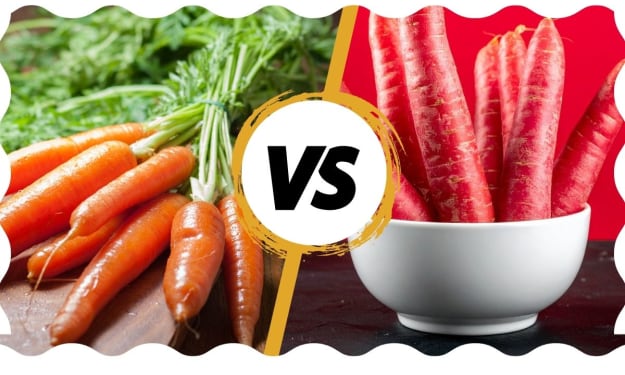
Orange vs Red Carrots
Carrots are among the most popular root vegetables around the world. They are widely appreciated for their natural sweetness, crunchy texture, and impressive nutritional value. While most people are familiar with orange carrots, many regions—especially in South Asia—also consume red carrots, particularly during winter. This often raises a common question: which carrot is better for health—orange or red?
By Stories Today7 days ago in Feast
Hottest in the Office
Dear Rafi, You’re very distracting to work around. For the first second I saw you the other day, I thought you were some type of executive. It took a moment to realize no, you were just the new guy, dressed up for the job he wants. Be still, my heart.
By Gabriel Shames5 days ago in Pride



Comments
There are no comments for this story
Be the first to respond and start the conversation.