
Why is Marrakech a popular destination for food enthusiasts?
Taste the Oasis

Marrakech is one of Morocco’s most enchanting cities and is a vibrant place beloved for its bustling souks or bazaars, historical landmarks, and remarkable palaces. Beyond its historical significance and cultural importance, Marrakech is a paradise for food enthusiasts. The city’s culinary scene boasts a fantastic mix of traditional Moroccan dishes, street food, and modern fusion cuisine. Here’s why every food enthusiast must experience the flavours of Marrakech.
Influences and the Use of Traditional Ingredients and Spices
The cuisine of Marrakech has its roots in Berber and Arab influences. The Berbers, who are indigenous to North Africa, have contributed foods such as bread (khobz) and techniques for preserving food, such as drying and fermenting. Arab influence, brought by centuries of trade and conquest, introduced spices, nuts, and fruits to the existing Moroccan dishes. Arabic staple ingredients such as dates, figs, and almonds are now integral to the cuisine due to the harmony between Berber and Arab influences. Traditional Berber dishes, such as tagine and harira, are infused with these Arab flavours. The foundation of Moroccan cuisine lies in its ingredients. Key staples include saffron, cumin, and preserved lemons. Markets in Marrakech are treasure troves of these spices.
Traditional Moroccan Cuisine
Traditional Moroccan cuisine is the cornerstone of the culinary experience in Marrakech. At its core are staple dishes like tagine, couscous, and pastilla. Tagine is a slow-cooked stew named after the earthenware pot in which it's prepared. It can feature a variety of ingredients, including lamb, chicken, fish, and an assortment of vegetables, all seasoned with a unique blend of spices like cinnamon, ginger, and turmeric. Morocco’s national dish, couscous, is often served with a hearty broth of meat and vegetables. Pastilla is a sweet and savoury pie typically filled with pigeon meat, almonds, and spices, wrapped in delicate layers of pastry. If you are staying at a premier hotel in Marrakech, such as Riad Elegancia, you can enjoy some of these traditional dishes at the best Moroccan restaurants.
Street Food Scene
The street food scene in Marrakech is nothing short of legendary. Jemaa el-Fnaa square is the epicentre of this culinary adventure as it transforms into a food market as the sun sets. You can smell the enticing aromas of merguez sausages, grilled meats, and Moroccan pancakes. Street vendors offer a variety of snacks, from briouats (fried pastries filled with meat or seafood) to snail soup. The experience of eating street food in Marrakech is immersive as it allows visitors to savour authentic flavours while interacting with the local culture and atmosphere.
Sweet Treats and Desserts
No culinary exploration of Marrakech is complete without indulging in its sweets and desserts. Moroccan desserts are a delightful end to any meal, featuring a variety of flavours and textures. Baklava, layered with nuts and honey, offers a rich and sticky sweetness. Another treat is Chebakia, a sesame-coated cookie soaked in honey, often enjoyed during Ramadan. Msemen is a flaky layered pancake that is enjoyed with honey or as a savoury treat with spices. These desserts are often served with mint tea as a gesture of welcome and friendship.
Taste Morocco
Beverages also play a considerable role in Moroccan cuisine. Mint tea, known locally as "atai," holds a central place in Moroccan culture, served hot and sweetened generously with sugar. It is beloved for its refreshing taste and aroma, making it a popular choice throughout the day. For coffee lovers, “kahwa” or Moroccan coffee offers an exciting experience to the palate. Usually brewed with spices such as cinnamon or cardamom, Moroccan coffee is a must-try.
About the Creator
Keep reading
More stories from Sewmini James and writers in Feast and other communities.
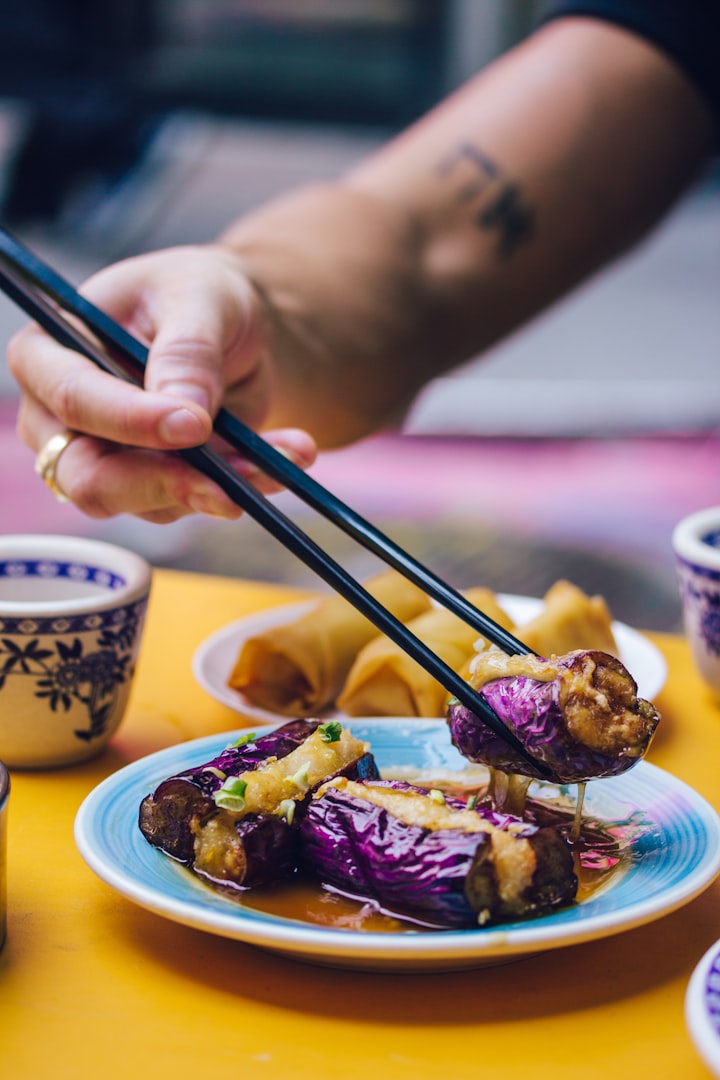
What is the significance of the culinary delights hidden inside Hong Kong's market?
Hong Kong’s sophisticated food scene treats locals and travellers to Michelin star dim sum brunches, succulent goose and much more. And, if you’re looking for cheap delicious meals, it doesn’t get better than the hawker market. Let’s dig into the culinary delight in the glitzy city.
By Sewmini James 2 years ago in Feast
My Tous les Jours Trip
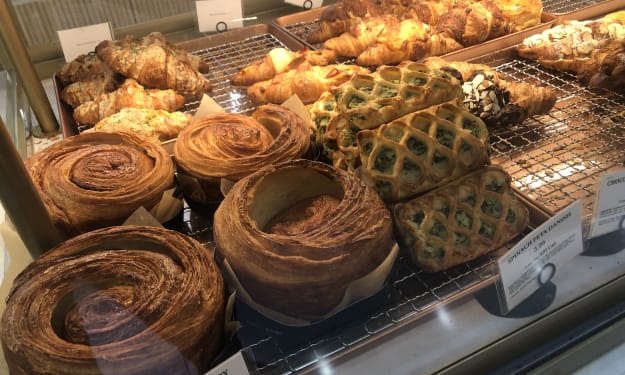
As someone who lives in a rural area, I don't get the chance to visit fancy restaurants or bakeries that often. So, when a friend told me about a French-Asian bakery that's less than an hour away, I knew I had to check it out and grab some pictures for social media. Tous les Jours ended up providing an immersive experience that went above and beyond my expectations--although I did leave with a few reservations.
By Kaitlin Shanks21 days ago in Feast


Comments
There are no comments for this story
Be the first to respond and start the conversation.