
When Washing Grapes, Using Only Saltwater Is Like Eating "Insect Eggs"! Here’s the Correct Method for Clean and Effortless Results
When Washing Grapes, Using Only Saltwater Is Like Eating "Insect Eggs"! Here’s the Correct Method for Clean and Effortless Results
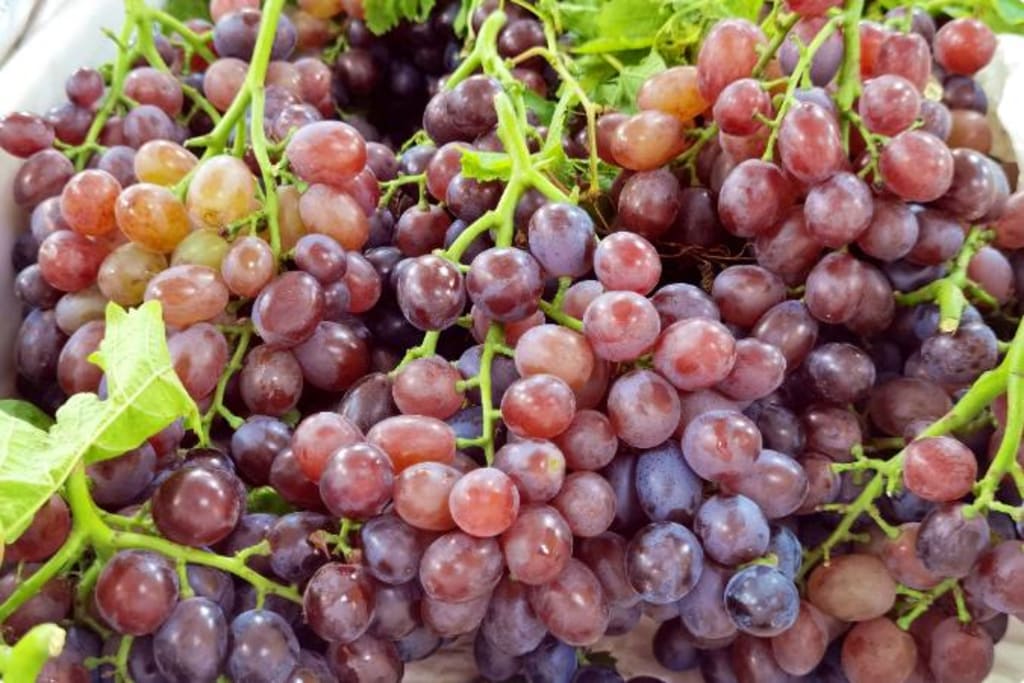
In the height of summer, the brightest stars at the fruit stand are undoubtedly grapes! Purple like agate, green like jade, each plump and bursting with fragrance, they’re irresistible. We buy a big bunch, rinse them under water, and start eating—wait! Did you know that beneath those crystal-clear skins, there might be invisible "little troubles" lurking?
Many people wash grapes with the belief that "salt kills all bacteria," sprinkling a handful into water and letting the grapes soak in a "saltwater bath" before eating. While saltwater can indeed remove some bacteria, the tiny insect eggs clinging to grape surfaces are far more cunning. These eggs are protected by a layer of mucus, and saltwater’s limited penetration often fails to dislodge these stubborn "residents."
The Right Way to Wash Grapes
Don’t worry—the trick to getting grapes perfectly clean isn’t complicated. You just need three household staples: water, flour (or starch), and a little patience.
1. Cut the Grapes Properly: Never pull grapes directly off the stem! Doing so leaves a wound where pesticides, dirt, or even insect eggs can infiltrate the flesh. The correct method is to use clean scissors to snip each grape off with a small piece of the stem attached. The intact stem acts like a tiny plug, keeping the fruit clean.
2. Initial Rinse: Place the snipped grapes in a large bowl and cover them with clean water. Give them a quick preliminary wash to remove loose dirt and debris. This step sets the stage for deeper cleaning.
3. Flour-Water Soak: Drain the dirty water, then sprinkle two tablespoons of flour or starch over the grapes. Refill the bowl with enough water to submerge them. Gently swirl the grapes in the water with your hands, ensuring each one is coated. The fine particles of flour act like magnets, pulling out insect eggs and impurities hidden in the crevices and natural bloom (the whitish coating on grapes). Let them soak for ten minutes to give the flour time to work.
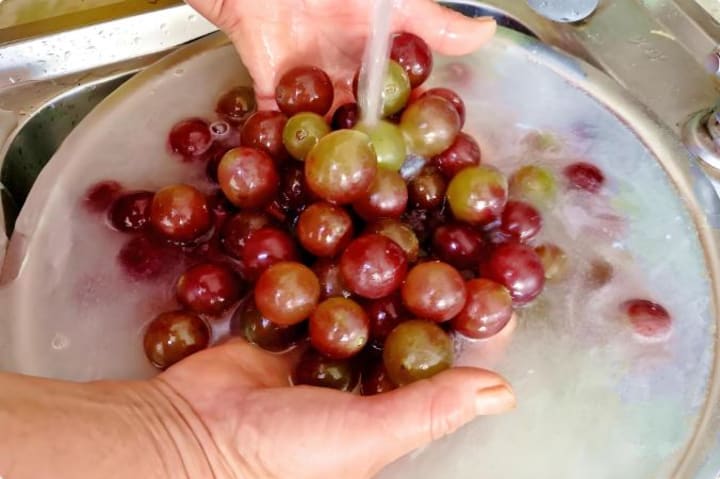
4. Final Rinse Under Running Water: Pour out the cloudy flour water and transfer the grapes to a colander. Rinse them thoroughly under running water for at least a minute. The gentle yet forceful flow will wash away any remaining flour and trapped dirt. Now, the grapes will look pristine, with their natural bloom intact—a sign of freshness and sweetness!
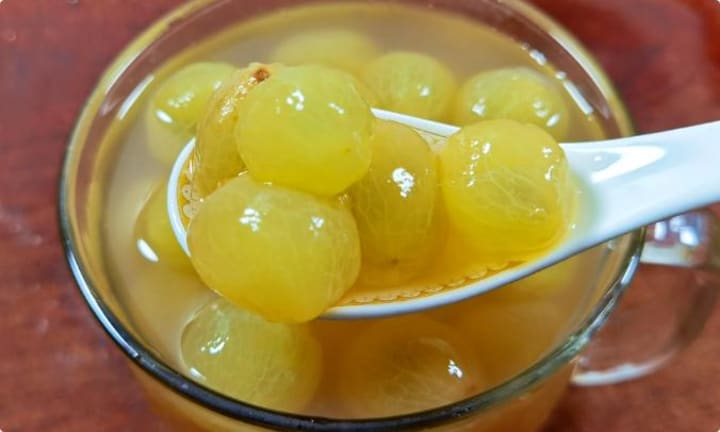
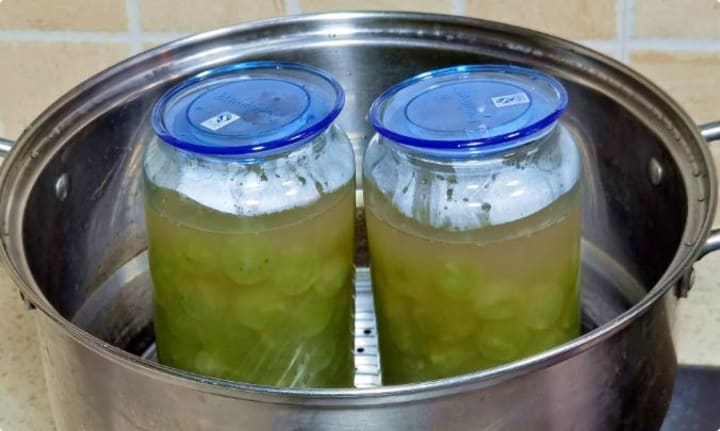
With your grapes perfectly clean, take a bite, and let the juice burst on your tongue, the sweetness traveling straight to your heart. And if you find yourself with more grapes than you can eat during peak season, don’t let nature’s generosity go to waste—turn them into a refreshing grape compote to preserve the taste of summer, ready to bring joy with every opened jar.
Homemade Grape Compote—Capturing Summer’s Sweetness
Ingredients:
• Fresh grapes: 2 pounds
• Rock sugar: about 150g (adjust based on grape sweetness and personal preference)
• Water: about 800ml
• Clean, sealable glass jars (sterilized with boiling water and dried)
Instructions:
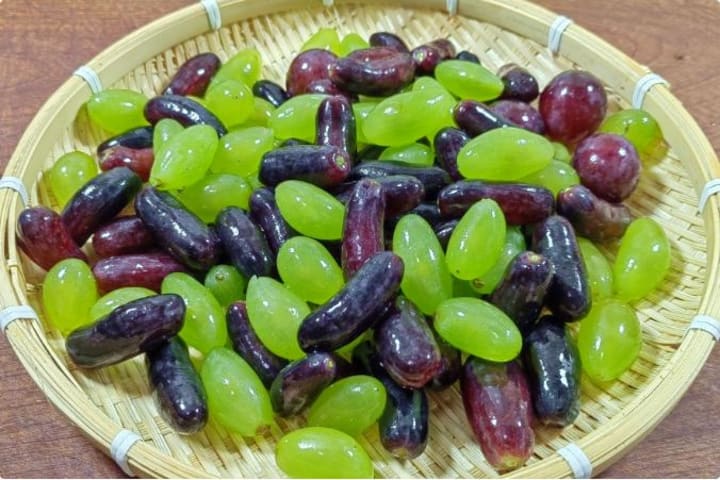
1. Prepare the Grapes: Wash the grapes using the method above. After cleaning, gently peel the skins (optional—leaving them on adds deeper flavor but darkens the compote). Use a knife tip or toothpick to remove the seeds. Place the prepared grape flesh into sterilized jars, filling them about 70–80% full.
2. Make the Syrup: In a pot, combine water and rock sugar. Heat over medium-low, stirring until the sugar dissolves. Once boiling, reduce heat and simmer for 2 more minutes to blend the flavors.
3. Fill and Seal: Carefully pour the hot syrup into the jars, ensuring the grapes are fully submerged but leaving a little headspace. Seal the lids tightly while the jars are still hot.
4. Invert for Sterilization: Immediately turn the sealed jars upside down on the counter and let them cool naturally. This uses residual heat to create a vacuum seal and further sterilizes the contents. A concave lid after cooling indicates a successful seal.
5. Chill and Enjoy: Once cooled, refrigerate the compote. It’s best served chilled! Always use a clean spoon when serving, and consume opened jars quickly.
Important Note: Homemade canning requires strict attention to sterilization and hygiene. If you notice bulging lids, cloudy liquid, or off odors, do not consume!
Why This Method Works
The combination of flour and thorough rinsing ensures that even the most stubborn contaminants are removed. Flour’s adhesive properties lift away debris, while running water flushes everything out. This method is not only effective but also preserves the grapes’ natural texture and flavor.
Additional Tips for Grape Lovers
• Choosing Grapes: Look for firm, plump grapes with intact stems and a uniform color. Avoid wrinkled or leaking ones.
• Storing Fresh Grapes: Keep them unwashed in a ventilated container in the fridge. Wash only before eating to prevent moisture buildup.
• Creative Uses: Leftover grapes? Freeze them for a cool snack, blend into smoothies, or add to salads for a sweet twist.
By following these steps, you’ll enjoy grapes at their safest and most delicious—whether fresh or preserved. Happy eating!
About the Creator
Pi Day Deals: Sweet Ways to Celebrate March 14 Every Year
Every year on March 14, something unusual happens across bakeries, pizza shops, and kitchens around the world. Math lovers smile, pie lovers celebrate, and people who never cared about numbers suddenly start searching for pie. That day is Pi Day. The date 3/14 matches the first digits of the famous mathematical constant 3.14, and over time it has grown into a celebration of food, curiosity, and simple joy. One of the biggest reasons people look forward to the day is the tradition of Pi Day deals. Restaurants and bakeries often offer pies, pizzas, and desserts at special prices. But Pi Day is not only about discounts. It is about gathering with friends, sharing food, and enjoying a small moment of fun built around a number that never ends.
By Muqadas khana day ago in Feast
Chipotle Tattoo BOGO: The Story Behind the Burrito Deal
Sometimes a free burrito is more than just a meal. Sometimes it becomes a small cultural moment that people remember for years. The phrase chipotle tattoo bogo began as a strange mix of food, loyalty, humor, and internet culture. At first glance it sounds like a joke. Why would anyone get a tattoo for a burrito? But thousands of people actually did.
By Muqadas khan3 days ago in Feast
Author’s Advice
If you would’ve asked me 20 years ago did I know I’d become a writer and an author, I would’ve said “nope, ain’t happening”. As fate would have it I did become an author and I can honestly say I’m loving it so far. It really does feel good to be a writer. I’ve learned a lot on this journey and I feel like with even me being as new to this world as I am, there’s some wisdom I need to share with every other aspiring author.
By Joe Patterson4 days ago in Journal



Comments
There are no comments for this story
Be the first to respond and start the conversation.