
What makes Thai cuisine so unique?
Exploring the flavours and influences
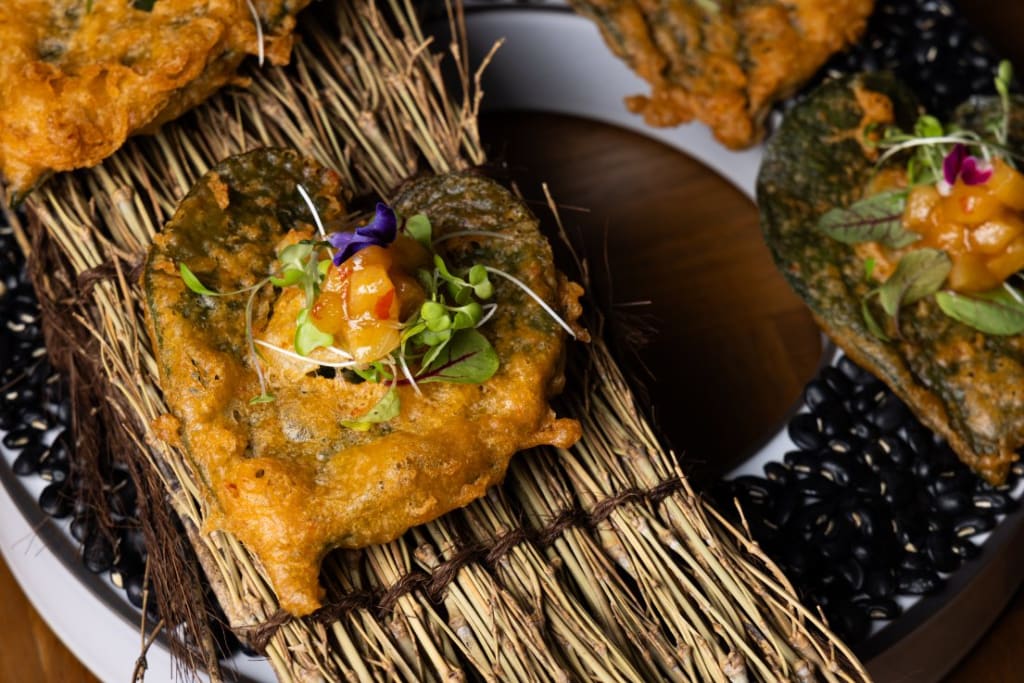
Beginning from preparation, the range of ingredients and flavours to the different regions that continue to shape the way in which food is made, Thai cuisine is a celebration on a plate. To those not too familiar with its distinct varieties, herein is a guide on what makes Thai cuisine so unique and a ‘must try’ when on holiday.
Spices
The exceptional and tasty flavours of Thai cuisine can be credited to how spices are used. Whether at fancy restaurants or street food outlets, these spices are carefully and creatively mixed in a manner that extracts the very essence of same so that the end result is nothing short of wonderful. For example, during your travels around Thailand, you are bound to taste dishes that contain a rich array of pepper, garlic, cloves, cinnamon and turmeric that are expertly balanced out with a sprinkling of basil, lemongrass and a host of other herbs.
Seasonings
A huge part of the appeal of Thai cuisine boils down to the extent to which seasonings are included. Fish-based seasonings, in particular, continue to influence the way in which local dishes are crafted and, more importantly, enjoyed. Worthy of mention is the sought-after, commonly utilised fish sauce. This sauce can be made in different ways, with the fermented fish and rice bran combination coming off as one of the most liked and loved across Thailand.
Techniques
Thai chefs are known to showcase outstanding food craft, regardless of whether it is a simple meal or an extravagant feast at Dara Phuket, which ranks as the best Thai restaurant in Phuket. With regard to utensils, the wok is fundamental to whipping up culinary masterpieces. Having originated in China, the wok is a round-bottomed, deep cooking pan that is perfect for cooking larger quantities of food. Essentially, using a wok ensures that the ingredients can be cooked evenly and quickly, which leads to the successful retention of natural textures and flavours.
Geographical influences
A standout feature of the food that you will find in Thailand is that the dishes and servings vary from one part of the country to the other. As a result, the farther and deeper you venture, the more elaborate, rich and inviting the cuisine will be, and to the avid foodie, this would be music to your ears! If you were to start up north and around the mountainous sections of the country, then you would be well positioned to savour a selection of vegetables, such as puk waan (sweet leaf), which is not found elsewhere. Also, there is less of a reliance on sugar, with the sweetness from raw ingredients made use of as and when required. Noodle-based servings are a highlight, with the acclaimed khao soi, which is a spicy curry noodle soup known to draw plenty of attention. Moving over to the northeast, you will be presented with a chance to indulge your taste buds in Laotian-inspired cuisine, such as somtum (papaya salad). While sticky rice is a staple, food in this part of Thailand is drier and is often served with fewer broths but with an assortment of seasonal vegetables. If you were to make a date with the country’s central region, then you would have the privilege of tucking into food that is inspired by China. Favourites such as moo palo, which is braised pork belly and egg stew, will easily have your mouth watering. However, since the region is also home to what Thais fondly call ‘royal cuisine,’ you will never be too far away from enjoying specialties in the calibre of khao chae. This dish features soaked rice that is served with a range of sweet meats. Arriving in Thailand’s south, diners will be met by intense and bold flavours in their food, with dishes generally known to be extremely spicy. Furthermore, seafood is used on a frequent basis and is of the highest quality. Herbs and spices are used generously while fish sauce, shrimp paste and coconut milk are part and parcel of the food found here. In terms of household names, the heavenly spicy yellow curry that the locals refer to as kaeng leuang yod maprao orn will see to it that your foodie senses are well taken care of.
About the Creator
Frozen Blueberries Recalled: What Families Need to Know
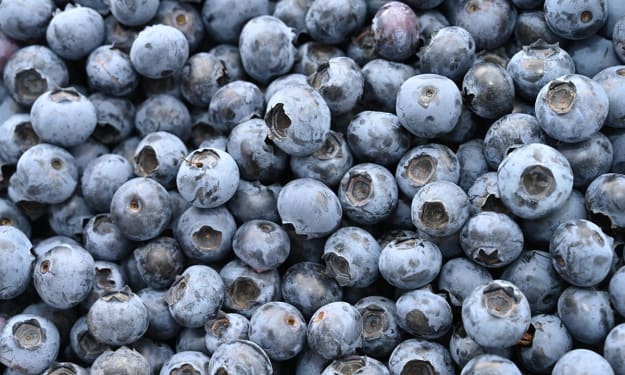
You open your freezer to grab a handful of blueberries for a smoothie. It is part of your routine. Maybe you add them to oatmeal for your child before school. Maybe you bake them into weekend muffins. Frozen fruit feels safe. It feels simple. But then you see the headline: frozen blueberries recalled. Suddenly, that bag in your freezer does not feel harmless anymore. Questions rush in. Are they safe to eat? What brands are involved? What should you do next? Food recalls can be unsettling, especially when they involve everyday items. This article explains why frozen blueberries recalled announcements happen, what risks are involved, and how to protect yourself and your family without panic.
By Muqadas khan6 days ago in Feast
I was in a Toxic Relationship, with my Workplace
“You got that?” My ex yelled. His hands were balled into fists at his side. At six foot three, he towered over me. A normal person would have been afraid, but I looked up a video of George Lopez repeatedly saying, “I got this,” and showed it to him. I had grown used to this treatment, so much so that I didn’t blink when he ripped the phone from my hand and threw it across the room.
By Jade M.7 days ago in Confessions



Comments
There are no comments for this story
Be the first to respond and start the conversation.