
How to Enjoy Ethical Elephant Experiences in the East of Asia -Thailand
Favourite ethical elephant experiences in Asia
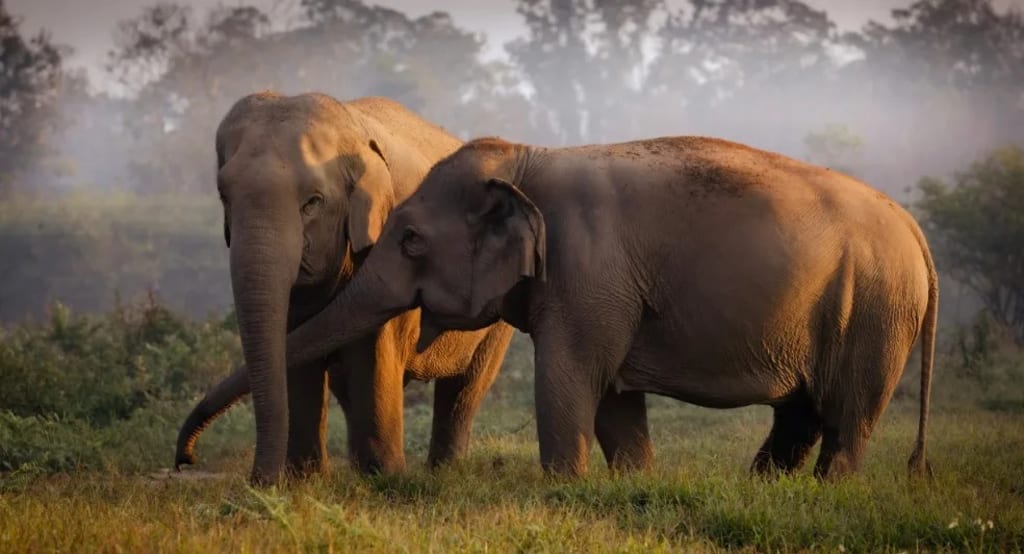
The country of Thailand is renowned for being a must-try destination among travellers worldwide. With its beautiful scenery, iconic landmarks and a plethora of activities, Thailand has gained popularity over the last decade. While having fun is important, eco-conscious tourism and sustainable travel are also other aspects that have gained popularity. Thailand excels in these areas and provides even more for the travellers to experience. One such experience is elephant tourism. Thailand has long been a destination for elephant tourism, drawing travellers eager to interact with these majestic creatures. Many elephant camps around the globe have unethical practices that cause a lot of harm to these gentle giants.
Understanding Ethical Elephant Tourism
Ethical elephant tourism focuses on conservation, rehabilitation, and the well-being of elephants rather than them being commercially exploited. In an ethical setting, elephants are not forced to perform tricks, carry tourists around on their backs, or endure unnatural conditions. Instead, visitors observe them in a natural and safe environment that tries to bring their natural habitat to life. This allows the elephants to engage in a behavioural pattern that is natural to them. These include foraging, bathing, and socialising.
When choosing an elephant experience, look for camps that:
Avoid elephant rides and tricks.
Support conservation and rescue efforts.
Provide natural habitats and ethical care.
Educate visitors about elephant welfare.
Visiting Elephant Conscious Camps
There are a number of elephant camps to choose from, and choosing one that also has accommodation seems like a no-brainer. Anantara Golden Triangle Elephant Camp & Resort is an excellent place to bond and have fun with the elephants while enjoying luxurious accommodation. The elephant camp aims to rehabilitate elephants from logging, street begging, and abusive tourism practices.
Visitors can also engage in experiences such as:
Walking with the Giants: Observe elephants roaming freely in their natural environment.
Elephant Wellness Programmes: Visitors participate in feeding and bathing routines that prioritise the elephants’ well-being. The handlers also give tourists hands-on experience in proper elephant care.
Elephant Learning Experiences: Gain insight into elephant behaviour and conservation efforts made in Thailand.
Jungle Bubbles: Spend a night in a transparent dome for an intimate, non-intrusive view of elephants.
The Importance of Choosing a Responsible Elephant Camp
With many unethical establishments still in operation, it is crucial to distinguish responsible elephant sanctuaries from those that exploit these animals. Here are some key indicators of an ethical Elephant Camp in Thailand:
Riding Prevention: Ethical sanctuaries throughout Thailand will never offer elephant rides to anyone, as carrying weight on their backs can cause varying degrees of spinal injuries. They also put the elephants who have undergone these destructive practices in proper physical therapy to fix the broken areas.
Freedom of Movement: Elephants should have space to roam, forage, and interact naturally.
Positive Reinforcement Training: Ethical camps use rewards rather than punishment to encourage cooperation.
Limited Human Interaction: Direct contact is minimised to avoid unnecessary stress on the animals.
Ethical Elephant Sanctuaries in Thailand
In addition to the Golden Triangle Elephant Camp, several other ethical sanctuaries offer responsible elephant tourism experiences. One of the most famous among them is the Elephant Nature Park, which provides a haven for elephants in distress. Boon Lott’s Elephant Sanctuary focuses on rehabilitation and elephant welfare. These establishments promote positive rehabilitation and care of elephants.
How to Support Elephant Conservation in Thailand
Beyond visiting the ethical elephant sanctuaries in Thailand, there are more things you can do to show support and confidence in this movement.
Donate to Ethical Organisations: Supporting organisations that you have the elephant’s best interest at heart would be a great way to show you care.
Avoid Elephant Exploitation: Boycott attractions offering elephant rides, performances, or unnatural interactions. It is always best to expose such practices, which will discourage others from doing the same.
Promote Responsible Tourism: Educate fellow travellers on the importance of ethical elephant experiences.
About the Creator
City thrice holy
My visit to Israel in the 1990s felt like a homecoming. Don’t ask me why. A quick tour of Jerusalem took in many historic and religious sites. Not least the excavations beside the Western (or Wailing) Wall. Here, becloaked scholars read ancient Hebrew scrolls, praying with their voices, hearts, minds and bodies. Here, Roman street divides modern office and apartment blocks. Here, east meets west, Jew lives alongside Arab. Here the most holy of Christian monuments has a church that is bisected by a line cutting through two walls, floor, ceiling and alter. One side Catholic, the other Greek Orthodox.
By Raymond G. Taylor3 days ago in Wander
Da Mayor Trip
I’m going to tell you a story. The Story doesn’t end here, this is just the beginning. On November 19 I was surprisingly terminated from my job. And for dubious reasons as well. I enjoyed my job for the most part. The work was easy, I got a long with my co-workers for the most part and the benefits and time off allowed me to do what I wanted to do – travel, go places and do things, and most of all – not be at work!
By D.A. Mayor5 days ago in Wander



Comments
There are no comments for this story
Be the first to respond and start the conversation.