
What is Gut Health and Why is it Important?
What is Gut Health and Why is it Important?
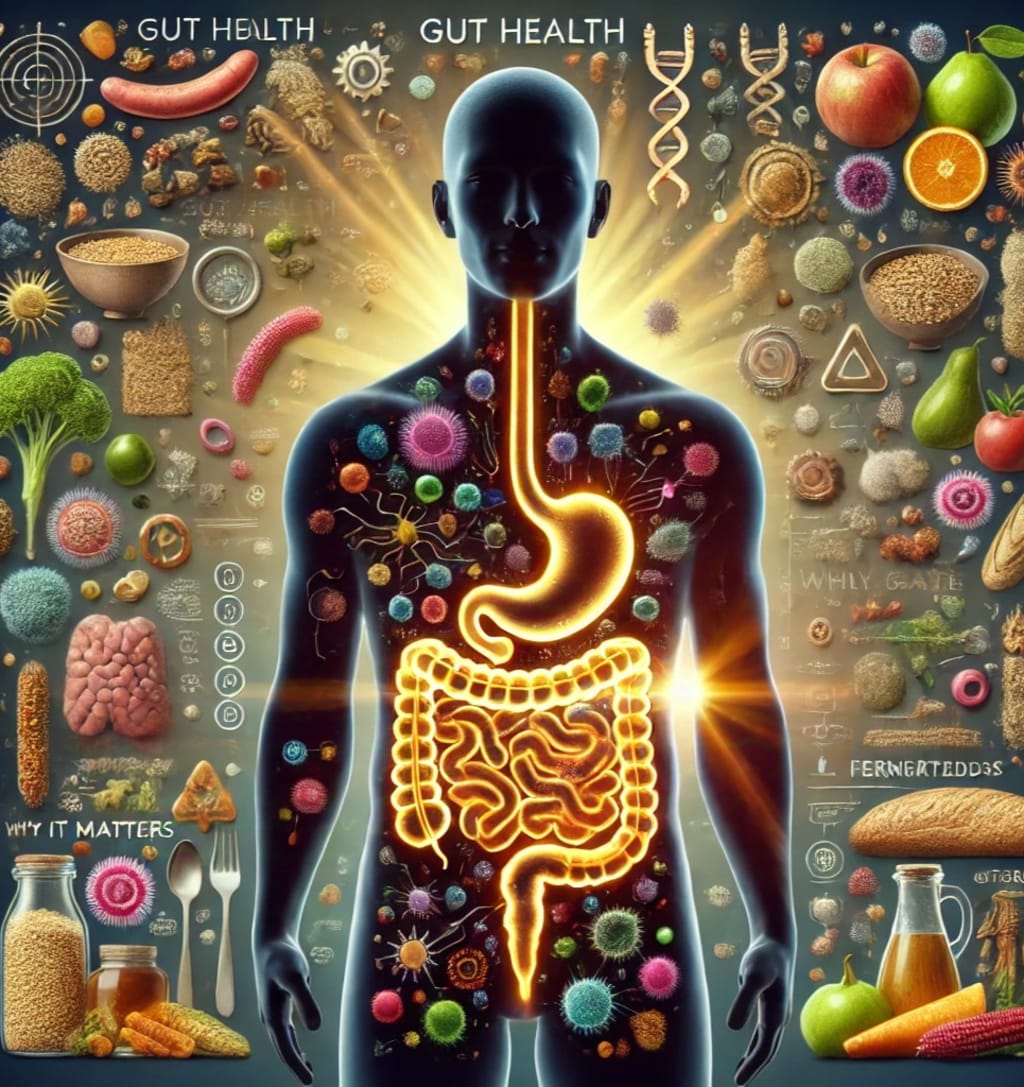
Gut health has become a buzzword in wellness circles, and for good reason. Our digestive system, often referred to as the "gut," plays a central role in overall health and well-being. Beyond simply processing food, the gut is a complex ecosystem that impacts everything from immunity to mental health. But what exactly is gut health, and why should we care about it?
Understanding Gut Health
Gut health is the balance and functionality of the gastrointestinal (GI) tract, particularly the trillions of microorganisms that reside within it. This collective group of microbes, known as the gut microbiome, includes bacteria, viruses, fungi, and other microbes. The thought of harboring bacteria might seem frightening, but most of these microbes are beneficial or even crucial for health.
A healthy gut microbiome is diverse and balanced, allowing for efficient digestion, nutrient absorption, and protection against harmful pathogens. The gut also communicates with other parts of the body, influencing the immune system, metabolism, and even brain function through the gut-brain axis.
Components of Gut Health
1. Microbial Diversity: The variety of microorganisms present in the gut determines resilience and optimal functioning
2. Intestinal Barrier: The intestinal lining is a selective barrier that allows nutrients to penetrate into the bloodstream but does not allow harmful substances in.
4. Immune Interaction: Over 70% of the immune system is located in the gut, which makes it an essential part of the immune system.
Why is Gut Health Important?
Gut health is much more than digestion. Let's see some of the key roles:
1. Improved Digestion and Nutrient Absorption
The main function of the gut is to break down food into nutrients that the body can absorb. A healthy gut ensures efficient digestion and prevents issues like bloating, constipation, or diarrhea. Beneficial microbes also help produce enzymes that aid in the digestion of complex carbohydrates, proteins, and fats.
2. Immune System Regulation
The gut harbors the majority of the immune cells in the body. The healthy gut microbiome facilitates immune responses and helps defend the body against infections while preventing chronic inflammation. Autoimmune diseases such as rheumatoid arthritis and Crohn's disease have been associated with dysbiosis, an imbalance of gut microbes.
3. Mental Health and Mood Regulation
The gut-brain axis is a bidirectional communication system between the gut and the brain. Gut microbes produce neurotransmitters such as serotonin, which impacts mood, sleep, and stress levels. Research has identified a relationship between gut health and mental health disorders like anxiety, depression, and even neurodegenerative diseases.
4. Metabolic Health and Weight Management
Gut bacteria are known to influence the process of metabolism and body weight. Some may consume more energy from food resulting in weight gain, but others can ensure a metabolism that is healthy. Diseases such as diabetes have shown a correlation with imbalanced gut microbiome.
5. Prevention of Chronic Diseases
A healthy gut reduces systemic inflammation, which is a risk factor for chronic diseases such as heart disease, cancer, and Alzheimer's. The gut microbiome also produces short-chain fatty acids (SCFAs) that support heart health and lower inflammation.
Signs of Poor Gut Health
How do you know if your gut health needs attention? Some common signs include:
Frequent bloating, gas, or indigestion
Constipation or diarrhea
Food intolerances or sensitivities
Persistent fatigue or low energy levels
Frequent illnesses or infections
Mood swings or symptoms of anxiety and depression
Skin issues like acne or eczema
If you are experiencing these symptoms, it is probably time to take a closer look at your diet and lifestyle.
How to Improve Gut Health
Improving gut health doesn't have to be drastic. Sometimes simple changes can make a big difference:
1. Eat a Diverse Diet: Incorporate a variety of fruits, vegetables, whole grains, and fermented foods like yogurt, kimchi, and sauerkraut. These provide fiber and probiotics that nourish the gut microbiome.
2. Stay Hydrated: Drinking plenty of water helps maintain a healthy mucosal lining in the gut and promotes regular bowel movements.
3. Limit Processed Foods: Minimize consumption of processed and sugary foods, which can disrupt the balance of gut bacteria.
4. Stress Control: Chronic stress impacts negatively on gut health. Methods such as meditation, yoga, and deep breathing will help.
5. Physical Activity: Regular exercise facilitates gut motility and richness of microbes.
6. Use of Probiotics and Prebiotics: Probiotics are good bacteria, and prebiotics are the fibers which feed them. They combine to maintain a healthy gut microbiome.
7. Sleep: Poor sleep creates an imbalance in the gut-brain axis and can impair the gut health.
Conclusion
The key to general well-being lies in the health of our gut. From the promotion of digestion to the enhancement of immunity and the influence over mental health, the gut microbiome plays a major role in most aspects of life. Conscious choices toward promoting gut health, through diet, lifestyle, and stress management, can truly unlock the full potential of this remarkable system. Spending in gut health today is the same as investing in one's long-term health and vitality.
About the Creator
Keep reading
More stories from Mohd Imran and writers in Feast and other communities.
The Global Burden of Chronic Diseases: A Worldwide Concern
The Global Burden of Chronic Diseases: A Worldwide Concern Chronic diseases, also referred to as non-communicable diseases (NCDs), have become a global health challenge in recent times. These diseases account for more than 70% of deaths worldwide, according to the World Health Organization (WHO). Unlike communicable diseases, chronic illnesses are long-lasting and progress slowly, often resulting from lifestyle factors, genetic predispositions, or environmental influences. Examples include cardiovascular diseases, diabetes, chronic respiratory diseases, and cancer. The growing burden of chronic diseases is a formidable challenge to health systems, economies, and societies worldwide.
By Mohd Imranabout a year ago in Feast
Widow invests $800,000 to start hawker culture experience centre in honour of late husband
In a touching tribute to love, memory, and cultural heritage, a Singaporean widow has invested nearly $800,000 to establish a hawker culture experience centre dedicated to preserving and celebrating the vibrant food traditions that her late husband cherished throughout his life. The centre, which opened recently in Singapore, aims to provide visitors with an immersive journey into the country’s beloved hawker culture while honouring the legacy of a man who spent decades supporting local food vendors. The project was initiated by Lim Mei Hua, whose husband, Tan Wei Chong, passed away three years ago after a long illness. Tan was widely known among friends and family as a passionate supporter of traditional hawker stalls and frequently spent his weekends exploring different food centres across Singapore. According to Lim, the idea of creating a space dedicated to hawker heritage had long been one of her husband’s dreams. “He always believed that hawker culture was the heart of Singapore,” Lim said during the centre’s opening ceremony. “After he passed away, I wanted to do something meaningful that would keep his passion alive and allow future generations to understand why these traditions matter.” Singapore’s hawker culture is a cornerstone of the nation’s identity. The bustling open-air food centres, filled with vendors serving affordable and diverse dishes, reflect the multicultural roots of the country. In recognition of its cultural importance, UNESCO added Singapore’s hawker culture to its Representative List of the Intangible Cultural Heritage of Humanity in 2020. Lim’s experience centre is designed to showcase this heritage through interactive exhibits, live cooking demonstrations, and storytelling sessions led by veteran hawkers. Visitors can learn about the origins of iconic dishes such as Hainanese chicken rice, Laksa, and Char kway teow, while also exploring the personal journeys of the hawkers who prepare them. The centre includes a small exhibition gallery featuring photographs, kitchen tools, and handwritten recipes collected from hawker families across the city. Many of these items date back decades, offering a glimpse into how culinary traditions have been passed down through generations. One section of the centre recreates a traditional hawker stall environment, allowing visitors to experience what it feels like to work behind the counter during a busy lunch rush. Young participants can try their hand at simple cooking techniques while learning about the discipline and dedication required to master hawker cuisine. Local hawkers have warmly welcomed the initiative. Many worry that younger generations may be less interested in taking over family stalls, which often involve long hours and physically demanding work. By highlighting the cultural significance of these businesses, Lim hopes the centre will inspire renewed appreciation among the public. “Hawker food is not just about eating,” said veteran vendor Ong Kee, who participated in one of the centre’s demonstration sessions. “It’s about history, family, and community. Places like this help remind people why our traditions should continue.” Beyond cultural preservation, the experience centre also aims to support hawkers economically. A portion of ticket sales will be directed toward training programs for aspiring food vendors, helping them learn both traditional recipes and modern business skills. Lim believes this approach can help sustain the industry while adapting to changing times. Tourism officials in Singapore have also expressed optimism about the centre’s potential to attract international visitors interested in culinary experiences. Food tourism has become an increasingly important part of the country’s travel industry, with visitors eager to explore authentic local cuisine. For Lim, however, the centre’s true purpose goes far beyond tourism or business success. Every corner of the space reflects memories of her husband—his favorite dishes, the stalls he frequently visited, and the stories he loved to share. “Whenever I see people enjoying the exhibits or learning about hawker culture, I feel like his spirit is still here,” she said quietly. “This place is not just about the past. It’s about keeping something precious alive.” Through her remarkable gesture, Lim has transformed personal grief into a lasting tribute that celebrates love, heritage, and the enduring power of food to bring communities together. Her $800,000 investment ensures that the spirit of Singapore’s hawker culture—and the memory of the man who cherished it—will continue inspiring generations to come.
By Fiaz Ahmed 5 days ago in Feast
Australia Fish and Seafood Market 2026: Sustainable Consumption, Aquaculture Growth & Premium Seafood Demand
Australia Fish and Seafood Market Australia’s fish and seafood market is expanding steadily as consumers increasingly prioritize high-quality protein sources and sustainable food options. Fish and seafood products—including salmon, tuna, shrimp, shellfish and other marine species—play a vital role in the Australian diet due to their nutritional value and culinary versatility. Growing awareness of seafood’s health benefits, particularly its omega-3 fatty acids, vitamins and minerals, is driving consumption across households, restaurants and foodservice channels.
By Amyra Singh7 days ago in Feast




Comments
There are no comments for this story
Be the first to respond and start the conversation.