
United States Processed Pumpkin Market Size & Forecast 2025–2033
From Seasonal Favorite to Year-Round Superfood: How Processed Pumpkin Is Reshaping the U.S. Food Industry


United States Processed Pumpkin Market Overview
The United States Processed Pumpkin Market is entering a powerful growth phase, driven by evolving consumer habits, health awareness, and innovation in food processing. According to Renub Research, the market is expected to grow from US$ 1.43 billion in 2024 to US$ 3.34 billion by 2033, expanding at a robust CAGR of 9.87% from 2025 to 2033.
Once viewed as a purely seasonal ingredient associated with autumn and holidays, processed pumpkin has now transformed into a year-round functional food ingredient. Its expanding use across bakery, beverages, baby food, snacks, and wellness products is redefining its position in the American food industry.
What Is Processed Pumpkin and Why It Matters
Processed pumpkin refers to pumpkin that has been cleaned, cooked, and preserved in various forms such as puree, concentrates, dried powder, frozen pulp, and canned products. These formats extend shelf life while retaining the vegetable’s core nutritional benefits, including fiber, beta-carotene, vitamin A, potassium, and antioxidants.
This transformation makes pumpkin easier to use in both commercial and home kitchens, reducing preparation time, minimizing waste, and enabling consistent taste and quality throughout the year. For food manufacturers, processed pumpkin is a reliable, scalable, and cost-effective ingredient that supports clean-label formulations and plant-based product development.
A Cultural Staple With Expanding Demand
Pumpkin has deep roots in American culinary tradition, particularly during fall, Halloween, and Thanksgiving. However, the rise of pumpkin spice-flavored products—from lattes to protein bars—has pushed pumpkin beyond its seasonal image.
Foodservice operators, cafés, bakeries, and major brands now leverage pumpkin’s nostalgic appeal and nutritional profile to create limited-time and permanent menu offerings. This cultural relevance, combined with health trends, has made pumpkin a strategic ingredient for food innovation.
Key Growth Drivers of the U.S. Processed Pumpkin Market
1. Seasonal and Cultural Demand Spike
Autumn remains the strongest consumption period for processed pumpkin. Holiday baking traditions, pumpkin-flavored beverages, and themed promotions significantly increase sales volumes each year. The annual “pumpkin spice season” has become a cultural phenomenon that boosts retail and foodservice demand.
In August 2024, several leading beverage and dairy brands launched collaborative pumpkin-based campaigns to prepare for fall, reinforcing pumpkin’s role as a seasonal sales driver. These promotions generate strong consumer anticipation and repeat purchases, supporting market growth.
2. Health and Wellness Trends Driving Year-Round Usage
Processed pumpkin aligns perfectly with modern health-conscious diets. It is low in calories, high in fiber, and rich in essential vitamins, making it ideal for weight management, digestive health, and immune support.
As a result, pumpkin is increasingly used in:
Baby food and toddler meals
Smoothies and functional beverages
Protein bars and nutrition snacks
Plant-based meal solutions
Clean-label bakery products
In November 2024, Z Natural Foods launched a Pumpkin Spice Latte powder blend made with organic pumpkin and natural spices, reflecting how wellness-focused consumers are driving innovation beyond traditional uses.
3. Convenience and Product Versatility
One of the strongest growth catalysts is convenience. Processed pumpkin eliminates the need for peeling, cooking, and storage of fresh pumpkins, making it attractive for both households and industrial kitchens.
Its sweet and savory versatility enables application in soups, sauces, desserts, beverages, baked goods, and snacks. Manufacturers increasingly choose processed pumpkin because it provides consistent texture, flavor, and color across large-scale production.
In November 2024, Green Giant™ introduced its 100% Pure Canned Pumpkin, emphasizing quality and simplicity—further reinforcing consumer trust in processed vegetable products.
Challenges Facing the U.S. Processed Pumpkin Industry
Supply Chain Dependence on Seasonal Harvests
Despite strong demand, pumpkin processing relies heavily on the autumn harvest cycle, making the supply chain vulnerable to climate fluctuations, labor shortages, and crop diseases. A poor harvest season can disrupt production, increase raw material costs, and limit availability.
Manufacturers must invest in inventory planning, frozen storage, and diversified sourcing to maintain year-round supply and stabilize pricing.
Limited Year-Round Consumer Engagement
Although consumption is growing, processed pumpkin remains strongly associated with fall. Demand drops significantly after November, creating sales volatility and shelf space challenges for brands.
To overcome this, companies are expanding into health snacks, breakfast foods, and beverages to encourage all-season usage and reduce dependency on holiday sales cycles.
Market Segmentation Analysis
By Product Type
Dried Processed Pumpkin
The dried pumpkin segment is gaining traction due to its long shelf life, lightweight nature, and portability. It is widely used in pet food, supplements, snack bars, and powdered drink mixes. Health-conscious consumers appreciate its fiber content and easy storage.
Pumpkin Puree
Puree remains the most widely used form, especially in bakery, desserts, baby foods, and sauces. Its smooth texture and natural sweetness make it a staple ingredient for consistent flavoring and coloring.
Pumpkin Concentrates
Concentrates are popular in beverages, smoothies, baby food, and sauces, offering strong flavor intensity and nutritional density in smaller quantities. This format is highly valued by functional food manufacturers seeking clean-label solutions.
By Application
Bakery
Processed pumpkin is essential in muffins, breads, pies, and seasonal pastries. Demand surges during fall, but bakeries increasingly use pumpkin in breakfast and wellness-oriented baked goods throughout the year.
Beverages
From pumpkin spice lattes to smoothies and nutritional drinks, pumpkin has become a key ingredient in seasonal and functional beverages. Its natural sweetness reduces the need for artificial flavors and sugars.
Desserts
Pumpkin desserts remain popular during holidays, with processed pumpkin enabling consistent taste and texture across mass production.
Baby Foods
Pumpkin’s mild taste and high vitamin A content make it ideal for infant and toddler nutrition, driving steady demand in the baby food segment.
Snacks
Pumpkin is now featured in granola bars, roasted seeds, chips, and gluten-free snacks, aligning with plant-based and health-conscious consumer preferences.
Regional Insights: Top U.S. States Driving Demand
California
California leads the processed pumpkin market due to its large population, health-focused consumers, and innovative food culture. Organic and value-added pumpkin products are widely accepted, with strong demand beyond the fall season.
New York
New York’s urban population and premium retail environment make it a major market for artisanal, organic, and specialty pumpkin products. Bakeries and cafés drive seasonal and year-round consumption.
New Jersey
New Jersey benefits from its proximity to major urban centers and strong household baking culture. Retail promotions during fall drive strong seasonal sales, while local processors support regional distribution.
Market Segmentation Summary
Product
Dried
Puree
Concentrates
Application
Bakery
Beverages
Desserts
Baby Foods
Snacks
Others
Top States
California
Texas
New York
Florida
Illinois
Pennsylvania
Ohio
Georgia
Washington
New Jersey
Rest of the United States
Competitive Landscape and Key Players
The U.S. processed pumpkin market is moderately consolidated, with established food processors and ingredient suppliers driving innovation and distribution. Key players include:
Libby’s Brand Holding
Del Monte Foods
Great American Spice Company
Kerr by Ingredion
Seneca Foods
Kraft Heinz, Inc.
Woodland Gourmet
Döhler Group
Seawind Foods
Pinnacle Foods Co.
Each company is analyzed across five viewpoints: overview, key leadership, recent developments, SWOT analysis, and revenue performance, offering a comprehensive view of competitive positioning.
Future Outlook: A Market Beyond the Fall Season
The United States Processed Pumpkin Market is evolving from a seasonal niche into a year-round functional food segment. Health awareness, convenience, and clean-label innovation are reshaping consumption patterns, allowing pumpkin to move beyond pies and lattes into everyday nutrition.
With strong forecasted growth, expanding applications, and increasing product innovation, processed pumpkin is set to become a core ingredient in the American food system, not just a holiday tradition.
Final Thoughts
As consumer preferences shift toward health, convenience, and sustainability, processed pumpkin stands out as a versatile and nutrient-rich solution. The market’s projected growth to US$ 3.34 billion by 2033, according to Renub Research, reflects both cultural attachment and modern dietary evolution.
For manufacturers, retailers, and investors, the message is clear: pumpkin is no longer seasonal—it’s strategic.
About the Creator
Diya Dey
Market Analyst
My Tous les Jours Trip
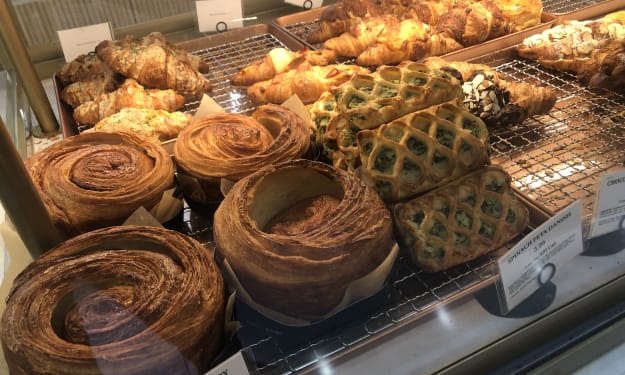
As someone who lives in a rural area, I don't get the chance to visit fancy restaurants or bakeries that often. So, when a friend told me about a French-Asian bakery that's less than an hour away, I knew I had to check it out and grab some pictures for social media. Tous les Jours ended up providing an immersive experience that went above and beyond my expectations--although I did leave with a few reservations.
By Kaitlin Shanks24 days ago in Feast
Guide to Choosing the Best Essential Kitchen Knives
Have you ever stood at the counter, staring at a pile of vegetables, wondering which knife would actually make the job easier? Many people assume they need a massive knife block filled with matching blades to cook well, but that’s rarely true.
By Chris Jones6 days ago in Feast



Comments
There are no comments for this story
Be the first to respond and start the conversation.