
United Arab Emirates Red Meat Market Trends & Summary (2025–2033)
A Deep Dive into Demand Shifts, Culinary Culture, Import Dependency, and Future Opportunities in the UAE’s Expanding Red Meat Sector


The United Arab Emirates Red Meat Market is on a gradual upward trajectory, projected to grow from US$ 762.24 billion in 2024 to US$ 857.21 billion by 2033, expanding at a CAGR of 1.32% from 2025 to 2033, according to Renub Research. Demand in the UAE is being fuelled by rapid urbanization, an expanding expatriate population, rising tourism, and a strong cultural inclination toward premium, halal-certified, and sustainably sourced meat products.
At the same time, the sector is being reshaped by changing consumer lifestyles, innovations in retail, and government-led efforts to strengthen UAE’s food security framework. Despite heavy dependence on imports, the market continues to evolve, offering robust opportunities for producers, suppliers, and retailers.
This comprehensive summary explores key market dynamics, growth drivers, challenges, and future opportunities across the UAE’s red meat sector.
United Arab Emirates Red Meat Industry Overview
The UAE’s red meat sector has become one of the most influential components of the country’s broader food economy. A combination of population growth, culinary diversity, and an increasingly globalized market has elevated the demand for red meat products across both households and the thriving hospitality industry.
A Diverse Consumer Base Driving Demand
The UAE’s consumer landscape is uniquely shaped by a highly multicultural population mix. With 88.52% of the population—approximately 8.92 million people—being expatriates as of 2022, the country is home to a broad variety of dietary traditions. This results in a diverse palate that values everything from beef steaks and lamb chops to Middle Eastern specialties like mutton mandi, kebabs, and slow-cooked lamb.
Tourism: A Key Growth Catalyst
Dubai alone had around 13,000 restaurants and cafés in 2023, making it one of the world’s most vibrant food destinations. As tourists and residents alike seek high-quality dining experiences, demand for premium cuts—particularly beef and lamb—has surged.
International culinary trends also influence this growth. Western-style dining, gourmet burger concepts, luxury steakhouses, and ethnic fusion restaurants continue to gain popularity, boosting consumption of imported high-grade meat.
Import Dependence and Food Security Initiatives
Given its arid climate, limited arable land, and high water scarcity, the UAE produces only a fraction of the red meat it consumes. This has necessitated substantial imports from countries such as:
Australia
New Zealand
Brazil
India
Pakistan
To safeguard the quality and consistency of supply, the government has prioritized:
Building advanced cold-chain infrastructure
Supporting models for commercial livestock farming
Promoting sustainable and halal-compliant practices
Facilitating investments in meat processing technologies
These efforts collectively position the sector for long-term resilience.
Consumer Trends Reshaping the UAE Red Meat Market
1. Strong Shift Toward Premium Quality
UAE consumers are increasingly selective about the meat they purchase. A striking 84% of consumers actively avoid artificial additives, turning instead toward:
Organic beef
Grass-fed lamb
Hormone-free products
Premium international cuts
This preference shift has encouraged retailers to stock a wider range of specialty meats and premium offerings targeted at high-income and health-conscious consumers.
2. Price Sensitivity and Value-Based Choices
While premium meat demand is strong, price remains a determining factor for many households. For instance, beef was 29% cheaper than mutton in 2022, making it a more accessible protein option. This has sustained beef’s popularity among both expatriates and nationals who seek balanced cost and quality.
3. Halal-Certified and Ethically Sourced Meat
In a predominantly Muslim market, halal certification is essential. Beyond this, consumers are beginning to prioritize:
Ethical sourcing
Sustainable farming practices
Animal welfare transparency
Importers and domestic producers are responding by emphasizing traceability, quality assurance, and sustainable procurement.
Key Growth Drivers for the UAE Red Meat Market
▪ Increasing Population and Urbanization
A steadily rising population—boosted by expatriate inflows and natural growth—has intensified the demand for diverse food products. Urban consumers particularly drive growth due to:
Higher disposable income
Exposure to international lifestyles
Desire for variety and convenience
Urbanization has also encouraged the expansion of supermarkets, hypermarkets, and online delivery platforms, increasing consumer access to red meat.
▪ Culinary Diversity and Expanding Tourism
The UAE’s global tourism appeal has created lucrative opportunities for food importers and distributors. Tourists and expatriates collectively shape a cosmopolitan food culture that values:
Global meat varieties
Unique cuts
High-end dining experiences
This, in turn, amplifies demand for both premium red meat and halal-certified products.
▪ Changing Consumer Preferences: Health, Quality, and Ethics
Modern UAE consumers are more health-aware and informed. They increasingly seek:
Leaner cuts
Chemical-free processed meat
Sustainably packaged products
Halal compliance continues to dominate purchasing decisions, while rising environmental awareness is driving interest in ethical farming and traceable supply chains.
Challenges Impacting the UAE Red Meat Industry
▪ High Import Dependency
Because local production is limited, the UAE is heavily vulnerable to external disruptions. This dependency exposes the market to:
Global price fluctuations
Geopolitical tensions
Trade policy changes
Climate impacts in exporting countries
Events such as drought in Australia or supply chain disruptions in Brazil can significantly influence domestic pricing and availability.
▪ Rising Prices of Meat Products
Global inflation, increasing feed prices, fuel costs, and climatic instability have caused red meat prices to rise. For retailers, this creates a twofold challenge:
Maintaining consumer affordability
Preserving profit margins
Price-sensitive consumers may switch to:
Poultry
Seafood
Plant-based proteins
Such shifts could slow overall red meat consumption among certain demographic groups.
Boosting Domestic Production: A Slow but Steady Effort
While domestic production remains relatively small, the UAE has been gradually increasing its output. Between 2021 and 2022, beef production grew by 4.98%, driven by a rise in cattle and buffalo slaughter.
2020: 74,638 heads of cattle slaughtered
2021: 76,833 heads (up 2.94%)
This increase reduced the need for importing live cattle. The trade value of live cattle imports dropped from USD 17.756 million in 2020 to USD 5.88 million in 2021, a 65.7% decline.
Still, domestic farmers face stiff competition from imported premium beef priced 150%–180% higher but enjoying significantly greater consumer demand, especially in the UAE’s thriving foodservice sector.
United Arab Emirates Red Meat Market Segmentation
By Type
Lamb
Beef
Pork
Mutton
Others
By Form
Canned
Fresh / Chilled
Frozen
Processed
By Distribution Channel
Convenience Stores
Online Channels
Supermarkets and Hypermarkets
Others
Key Players – Competitive Landscape (Covered from 4 Viewpoints: Overview, Key Persons, Recent Developments, Revenue)
Albatha Group
BRF S.A.
Freshly Frozen Foods Factory LLC
JBS S.A.
Najmat Taiba Foodstuff LLC
Siniora Food Industries Company
Tanmiah Food Company
The Savola Group
These companies continue to strengthen their market presence through innovations in processing, packaging, distribution, and product diversification.
Final Thoughts
The United Arab Emirates Red Meat Market is entering an era of balanced, sustainable growth. Although the sector faces structural challenges—particularly import dependency and rising prices—strategic investments, expanding tourism, and evolving consumer tastes are shaping a more resilient and diverse market environment.
With a forecasted value of US$ 857.21 billion by 2033, the UAE’s red meat industry is poised for steady expansion driven by:
A multicultural, affluent consumer base
Strong hospitality and foodservice demand
Premiumization of meat products
Growing focus on halal, ethical, and sustainable consumption
As the country continues its journey toward food security and sustainable modernization, the red meat sector will remain a cornerstone of the UAE’s culinary and economic landscape.
About the Creator
jaiklin Fanandish
Jaiklin Fanandish, a passionate storyteller with 10 years of experience, crafts engaging narratives that blend creativity, emotion, and imagination to inspire and connect with readers worldwide.
Keep reading
More stories from jaiklin Fanandish and writers in Feast and other communities.
Saudi Arabia Poultry Meat Market Trends & Summary
The Saudi Arabia poultry meat market is entering a new era driven by rapid modernization, evolving consumer preferences, and ambitious national policies aimed at bolstering food security. According to Renub Research, the market is projected to reach US$ 5.62 billion by 2033, rising from US$ 4.75 billion in 2024, and expanding at a CAGR of 1.90% from 2025 to 2033. The surge is fueled by urbanization, rising disposable incomes, health-focused consumer shifts, and growing demand for affordable, high-quality, halal-certified poultry products.
By jaiklin Fanandishabout a month ago in Feast
My Tous les Jours Trip
As someone who lives in a rural area, I don't get the chance to visit fancy restaurants or bakeries that often. So, when a friend told me about a French-Asian bakery that's less than an hour away, I knew I had to check it out and grab some pictures for social media. Tous les Jours ended up providing an immersive experience that went above and beyond my expectations--although I did leave with a few reservations.
By Kaitlin Shanks24 days ago in Feast
Mexico Palm Oil Market Size & Forecast 2025–2033
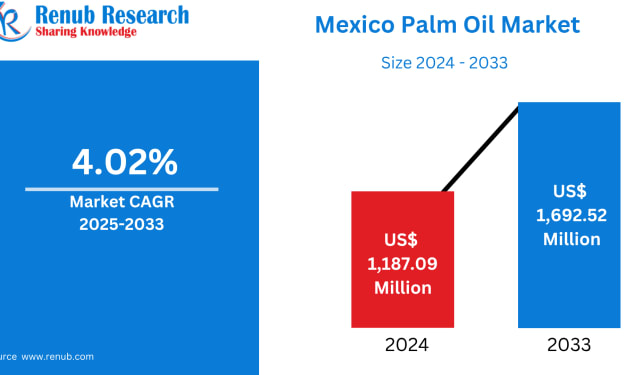
Mexico Palm Oil Market Outlook The Mexico Palm Oil Market is entering a phase of steady expansion, supported by rising consumption across food processing, personal care, animal feed, and renewable energy sectors. According to Renub Research, the market is anticipated to reach US$ 1,692.52 million by 2033, expanding from US$ 1,187.09 million in 2024, at a CAGR of 4.02% during 2025–2033.
By Aaina Oberoiabout 4 hours ago in Feast
Rachel Reviews: The Spiral Archive by Pieter Hendrik
It's difficult for me to know where to start with a review of this book as it was, for me, an entirely unique experience and one that I'll probably never have again. I don't want that to be interpreted as unenjoyable but it has left me scratching my head a little and ruminating on its content, its themes and its characters.
By Rachel Deeminga day ago in BookClub



Comments
There are no comments for this story
Be the first to respond and start the conversation.