
UAE Foodservice Market Set to Reach $41.8 Billion by 2033 — A New Era of Dining, Delivery & Global Flavors
Powered by tourism, digital ordering, multicultural dining, and rising disposable incomes, the UAE’s foodservice ecosystem is transforming faster than ever.


The United Arab Emirates has established itself as more than a global tourism hotspot — it is now a powerhouse in the world’s foodservice landscape. According to industry estimates, the UAE foodservice market is projected to soar from USD 15.90 billion in 2024 to USD 41.80 billion by 2033, growing at an impressive CAGR of 11.45% (2025–2033). This growth signals not just rising demand for food, but an evolving lifestyle shaped by global flavors, digital convenience, elevated experiences, and economic momentum.
From Michelin-celebrated fine dining in Dubai to late-night shawarma counters, futuristic robotic cafés, and delivery-only cloud kitchens, the UAE has become a playground for global foodservice innovation. But what exactly is fueling this boom, and where are the biggest growth pockets hiding?
What is the UAE Foodservice Market?
Foodservice refers to food prepared outside the home and consumed at restaurants, cafés, hotels, catering services, food trucks, cloud kitchens, entertainment venues, and travel hubs.
In the UAE, food is more than nourishment — it's culture, social status, business networking, weekend leisure, late-night cravings, tourism appeal, and digital convenience rolled into one. The country’s unique demographic makeup — dominated by expatriates, tourists, and multicultural residents — shapes a dynamic, trend-driven food economy where global cuisines coexist with Middle Eastern heritage.
Urban living, high smartphone penetration, long working hours, and social media dining culture have further normalized eating out and ordering in, turning foodservice into a central part of everyday life.
Growth Drivers Powering the UAE Foodservice Boom
1. Tourism is the Engine
The UAE attracts millions of visitors annually — for leisure, trade, luxury travel, and mega events. Dubai and Abu Dhabi lead in global arrivals, supported by strategic tourism campaigns, airport expansions, luxury hotels, and festivals.
Expo 2020 acted as a catalyst for hospitality expansion, while initiatives like Dubai Tourism Strategy 2031 position the UAE to welcome over 22 million tourists annually by 2025 and beyond. Every hotel opening, tourist influx, or festival directly boosts restaurant footfall, catering demand, and destination dining trends.
2. Rising Disposable Income + Dining-Out Culture
Higher earning potential, tax-free salaries, and a cosmopolitan lifestyle fuel frequent restaurant visits. Millennials and Gen Z, in particular, treat dining as a lifestyle expression — not just a meal. Cafés, brunch spots, themed restaurants, late-night food joints, and social-media-worthy dishes are booming.
Premiumization is also rising — consumers now prioritize:
Organic and clean-label ingredients
Luxury dining experiences
Health-focused menus
Upscale interior aesthetics
Customizable meals
3. The Digital Delivery Revolution
The UAE is one of the fastest adopters of online food ordering globally. Platforms like Talabat, Deliveroo, Noon Food, and Zomato have redefined how meals reach consumers.
Key digital accelerators include:
Contactless payments
AI-based restaurant recommendations
Subscription-based delivery programs
Data-driven loyalty systems
App-exclusive meal bundles
Surge in late-night delivery culture
Cloud kitchens have exploded next — enabling brands to operate without dining spaces, lowering costs while scaling rapidly. These virtual kitchen hubs now fuel everything from late-night sushi to premium biryani to gourmet burgers.
In 2025, Dubai further strengthened this digital infrastructure when the Dubai Corporation for Consumer Protection and Fair Trade formed a strategic task force to improve online food delivery standards, signaling continued growth and regulatory support.
Challenges Shaping the Market
1. High Operating Costs
Running restaurants in premium UAE locations is expensive. Key cost pressures include:
High mall and retail rentals
Chef expertise and trained staff salaries
Licensing and compliance standards
Marketing and influencer promotions
Supply chain overheads
These costs affect independent cafés and casual diners the most, while international chains offset margins with bulk sourcing and brand loyalty.
2. Import Dependency & Supply Chain Vulnerabilities
Due to limited agricultural output, the UAE relies heavily on global food imports. Geopolitical disturbances, freight delays, price fluctuations, and currency shifts impact menu pricing and ingredient availability.
To mitigate risks, businesses are expanding:
Local hydroponic farm partnerships
Middle East supplier networks
AI-powered demand forecasting
Inventory digitization
Seasonal menu engineering
Cuisine Segments Redefining Consumer Appetite
1. Asian & European Cuisine — The Market Leaders
Asian dining leads consumer preference, especially:
Indian (largest demographic influence)
Chinese, Thai, Japanese, Filipino
European cuisine shines within premium dining, led by:
Italian
French
Mediterranean
Spanish
Celebrity chef restaurants and experiential dining have strengthened these segments, while delivery apps have made mid-range Asian + European food a household staple.
2. Middle Eastern — The Heart of UAE Dining
Local and regional favorites — shawarma, mandi, grilled meats, hummus, mezze, kabsa, falafel — hold emotional and cultural significance while appealing equally to tourists.
This segment benefits from:
Ramadan seasonal spikes
Affordable pricing
QSR expansion
Nostalgic branding
Tourist curiosity
3. Burgers — The Fastest Growing QSR Segment
The burger category is redefining fast food with:
Wagyu and gourmet buns
Plant-based patties
Fusion flavors (Arabic, Korean, Tex-Mex)
Instagram-focused plating
Delivery-first launch models
Both international and homegrown burger concepts are scaling rapidly via cloud kitchens and delivery-focused menus.
Format & Channel Dominance
Chained Outlets Lead Market Structure
Global chains (McDonald’s, Starbucks, KFC, Pizza Hut) and strong regional brands dominate due to:
Marketing budgets
Pricing power
Standardized quality
Loyalty apps
Drive-thru formats
Digital ordering ecosystems
Franchising remains one of the UAE’s most investor-friendly food business models.
Leisure Foodservice on the Rise
Food is blending with experience at:
Theme parks
Museums
Cinemas
Resorts
Water parks
Concert venues
Consumers now expect dining, entertainment, ambiance, and social engagement — not just meals.
City-Wise Market Snapshot
Dubai — The F&B Capital
Dubai leads with:
Restaurant diversity
24/7 dining culture
Luxury fine dining
Rooftop lounges
Global food influencers
High tourist footfall
High digital adoption
Sharjah — Family & Community Driven
Focus areas include:
Affordable dining
Family restaurant clusters
Mall-based food courts
Local brand dominance
Cultural tourism support
Community-centered cafés
About the Creator
Janine Root
Janine Root is a skilled content writer with a passion for creating engaging, informative, and SEO-optimized content. She excels in crafting compelling narratives that resonate with audiences and drive results.
Keep reading
More stories from Janine Root and writers in Feast and other communities.
Europe Ice Cream Market to Reach US$ 32.53 Billion by 2033: Premiumization, Health Trends, and Sustainability Sweeten the Growth
Europe Ice Cream Market Size & Forecast 2025–2033 The Europe Ice Cream Market is on a steady growth trajectory, projected to rise from US$ 21.95 billion in 2024 to approximately US$ 32.53 billion by 2033, representing a compound annual growth rate (CAGR) of 4.47% from 2025 to 2033, according to Renub Research.
By Janine Root 2 months ago in Feast
My Tous les Jours Trip
As someone who lives in a rural area, I don't get the chance to visit fancy restaurants or bakeries that often. So, when a friend told me about a French-Asian bakery that's less than an hour away, I knew I had to check it out and grab some pictures for social media. Tous les Jours ended up providing an immersive experience that went above and beyond my expectations--although I did leave with a few reservations.
By Kaitlin Shanks24 days ago in Feast
Global Fruit Snacks Market Set to Double by 2033 as Healthier Snacking Takes Center Stage
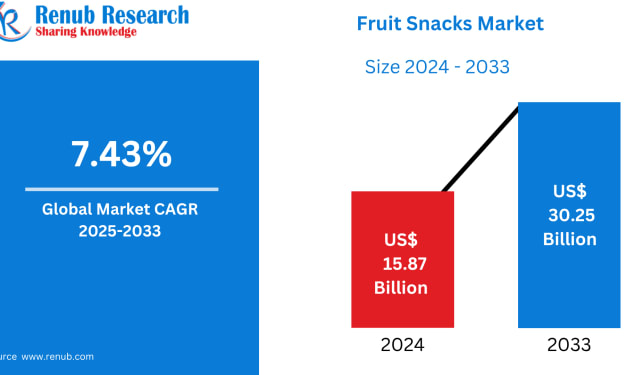
Global Fruit Snacks Market Size & Forecast 2025–2033 The Global Fruit Snacks Market was valued at US$ 15.87 billion in 2024 and is expected to grow to US$ 30.25 billion by 2033, registering a strong CAGR of 7.43% during 2025–2033, according to Renub Research. This robust expansion is being driven by a powerful combination of changing consumer lifestyles, increasing health awareness, and the global shift toward convenient, naturally derived snack foods.
By jaiklin Fanandishabout 19 hours ago in Feast
How to Succeed at the Benson Directory®
Congratulations and welcome to the Benson Directory® employee #22391! As our newest call handler, you will have the privilege of speaking with dozens of unique and interesting people on a daily basis as well as the opportunity to earn bonuses for high performance. Contained within this handbook you will find a set of ease to follow instructions designed to help you settle in to your new role and begin paving the way to success.
By S. A. Crawford3 days ago in Fiction



Comments
There are no comments for this story
Be the first to respond and start the conversation.