
Europe Ice Cream Market to Reach US$ 32.53 Billion by 2033: Premiumization, Health Trends, and Sustainability Sweeten the Growth
As Europeans embrace artisanal, vegan, and indulgent ice creams, the market is forecast to expand steadily at a CAGR of 4.47% through 2033, driven by innovation and evolving consumer lifestyles.


Europe Ice Cream Market Size & Forecast 2025–2033
The Europe Ice Cream Market is on a steady growth trajectory, projected to rise from US$ 21.95 billion in 2024 to approximately US$ 32.53 billion by 2033, representing a compound annual growth rate (CAGR) of 4.47% from 2025 to 2033, according to Renub Research.
This robust growth reflects Europe’s evolving consumer tastes — from traditional creamy indulgence to vegan, organic, and protein-enriched variations. Innovation, health awareness, and sustainability commitments are reshaping the market landscape as consumers seek both taste and conscience in every scoop.
The report, Europe Ice Cream Market & Forecast 2025–2033, segments the market by Products (Sticks/Bars, Cones & Cups, Tubs & Bricks, Others), Type (Impulse, Take Home, Artisanal), Flavor (Chocolate, Vanilla, Fruit, Others), and Distribution Channel (Supermarkets/Hypermarkets, Convenience Stores, Specialty Stores, Online Sales) across key European countries including France, Germany, the UK, Italy, Spain, Belgium, the Netherlands, and Turkey.
Market Overview: The Frozen Dessert Evolution
Ice cream in Europe is much more than a summer treat — it’s a reflection of culture, craftsmanship, and creativity. Whether it’s a rich Italian gelato, a Scandinavian berry delight, or a British vegan pint, Europeans are embracing both indulgence and innovation.
Traditionally made from milk, cream, and sugar, today’s ice creams also incorporate plant-based milks, natural sweeteners, and functional ingredients like probiotics and protein. From classic scoops to modern sticks, tubs, and handheld bars, consumers are experimenting more than ever.
Market Drivers: What’s Fueling Growth?
1. The Rise of Premium and Artisanal Ice Cream
European consumers are increasingly opting for premium and artisanal ice cream brands, valuing natural ingredients, small-batch quality, and unique flavor profiles. Western Europe, led by countries such as France and Italy, is at the forefront of this premiumization trend.
Handcrafted textures, locally sourced ingredients, and visually appealing eco-friendly packaging are driving this segment. Premium ice cream isn’t just about flavor—it’s an experience. Brands like Froneri, Unilever’s Magnum, and Haagen-Dazs are investing heavily in luxury product lines to attract discerning consumers.
2. Health-Conscious Trends Redefining Indulgence
The “healthy indulgence” revolution is in full swing. Modern consumers are reading labels, counting calories, and looking for dairy-free, sugar-free, or high-protein options.
Vegan and Plant-Based Ice Creams: Alternatives using oat, almond, coconut, or soy milk are gaining traction among lactose-intolerant and vegan populations.
Functional Additives: Some brands now include probiotics, collagen, and fiber for added nutritional value.
Low-Calorie Innovations: Companies are reducing fat and sugar content without sacrificing flavor — a key to capturing younger, health-conscious buyers.
This balance between wellness and indulgence is redefining how ice cream is marketed and consumed across Europe.
3. Innovation in Flavors and Formats
European brands continue to innovate with exotic ingredients, hybrid desserts, and limited-edition flavors. From Italian pistachio and French lavender to salted caramel with seaweed or matcha cheesecake, experimentation is thriving.
Hybrid concepts — such as cookie sandwiches, mochi ice cream, or layered dessert cups — cater to consumers seeking novelty. Limited-time launches and collaborations with chefs or confectionery brands also create buzz, especially among younger audiences.
4. Sustainability and Ethical Consumption
Sustainability has become a core purchasing criterion. European consumers prefer products with eco-friendly packaging, locally sourced dairy, and responsible supply chains.
Regulators are pushing for greener practices, including biodegradable tubs and spoons, while manufacturers like Nestlé and Danone invest in carbon footprint reduction and ethical sourcing of cocoa, vanilla, and sugar.
Though sustainable transitions add costs, they enhance brand reputation and loyalty — particularly in markets like Germany and the UK, where eco-consciousness drives purchase decisions.
5. The Challenge of Health and Price Balance
Despite innovation, one challenge persists: maintaining taste while cutting calories and fat. Healthier formulations often come at higher production costs, making them pricier than traditional ice creams. This creates a delicate balance between affordability and health value.
Consumers want guilt-free indulgence — but not at the expense of creamy texture or rich flavor. Thus, continuous R&D investment remains vital for market players aiming to capture both the premium and mass segments.
Market Segments Insight
Tubs & Bricks: Convenience Meets Variety
Tubs and bricks dominate the European household ice cream market. Their reusability, shareability, and flavor variety make them a family favorite.
They’re ideal for gatherings and personal indulgence alike, offering both affordability and availability in most retail outlets. The versatility of these formats makes them the fastest-growing product category across Europe.
Impulse Ice Cream: The Power of Spontaneous Purchase
Impulse ice creams — single-serve cones, bars, and cups — thrive on on-the-go convenience and impulse buying behavior.
Strategically placed in supermarkets, petrol stations, and kiosks, these treats appeal to every age group. Their portable, instant-gratification nature makes them one of the most dynamic segments in the market.
Chocolate Flavor: The Undisputed Leader
Chocolate continues to rule Europe’s flavor palette. Its timeless appeal and comforting richness cut across age, culture, and season.
Brands are expanding chocolate-based portfolios with innovations such as dark chocolate with sea salt, caramel-filled bars, or chocolate-orange swirls. Premium chocolate sourcing, especially from Belgium and Switzerland, enhances product differentiation.
Supermarkets & Hypermarkets: Retail Giants of Frozen Treats
Supermarkets remain Europe’s largest distribution channel, providing consumers with diverse selections, competitive pricing, and convenient access.
With large freezer sections showcasing everything from artisanal pints to family-sized tubs, these retail chains ensure both visibility and volume. Hypermarkets like Tesco, Carrefour, and Aldi are expanding their private-label ice cream ranges to capture cost-conscious consumers.
Country Analysis
🇫🇷 France: The Art of Frozen Luxury
France’s ice cream culture reflects its gastronomic heritage. The French gelato market thrives on craftsmanship, organic ingredients, and innovation. Artisanal parlors like Berthillon and Amorino offer gourmet experiences with natural fruit flavors and locally sourced dairy.
France’s emphasis on authenticity and quality continues to sustain its leadership in the premium ice cream segment.
🇩🇪 Germany: High Consumption, Higher Innovation
Germany ranks among Europe’s top ice cream consumers per capita. The market is driven by vegan trends, health-conscious products, and summer demand spikes.
Major players focus on sustainability, eco-friendly packaging, and new flavor experiments. Expect steady growth as Germans increasingly favor organic and low-sugar varieties.
🇧🇪 Belgium: Where Chocolate Meets Gelato
Belgium’s gelato market embodies premium indulgence. Known for its love of chocolate and waffles, Belgium has infused these flavors into its ice creams.
The trend toward locally made, low-fat, and plant-based products is gaining ground, with eco-friendly packaging becoming standard practice.
🇬🇧 United Kingdom: Tradition Meets Modern Indulgence
The UK ice cream market blends nostalgia with novelty. While classic vanilla and strawberry remain popular, vegan and low-calorie products are expanding rapidly.
Recyclable packaging and local sourcing influence buying decisions. With year-round demand and increasing household penetration, the UK stands out as a growth hub for both international and domestic brands.
Competitive Landscape
Key players dominating the European ice cream landscape include:
Froneri International Limited
Unilever Group
Nestlé SA
General Mills
Danone S.A.
Meiji Co. Ltd.
Mondelez International, Inc.
DMK Group
Recent Development:
In January 2022, Unilever’s Magnum launched a vegan bite-sized ice cream range made with pea protein, targeting the growing vegan consumer base across Europe.
Segment Snapshot
Category Segments
Products Sticks/Bars, Cones & Cups, Tubs & Bricks, Others
Type Impulse, Take Home, Artisanal
Flavor Chocolate, Vanilla, Fruit, Others
Distribution Channel Supermarkets/Hypermarkets, Convenience Stores, Specialty Stores, Online Sales
Countries Covered France, Germany, Italy, Spain, UK, Belgium, Netherlands, Turkey, Rest of Europe
Final Thoughts: The Future of Frozen Indulgence
The European ice cream market is evolving into a fusion of tradition, health, and innovation. As consumers demand ethical sourcing, functional ingredients, and experiential flavors, the industry’s leaders are reinventing what it means to “treat yourself.”
The decade ahead will likely see further growth in vegan, premium, and sustainable ice creams, supported by advanced packaging and flavor technology.
In short, Europe’s ice cream market is not just about satisfying cravings — it’s about creating meaningful, mindful indulgence.
About the Creator
Janine Root
Janine Root is a skilled content writer with a passion for creating engaging, informative, and SEO-optimized content. She excels in crafting compelling narratives that resonate with audiences and drive results.
Keep reading
More stories from Janine Root and writers in Feast and other communities.
United States Healthy Foods Market to Reach US$ 403.74 Billion by 2033: The Rise of a Health-Conscious Nation
United States Healthy Foods Market Overview The United States healthy food industry is entering an era of unprecedented expansion. According to Renub Research, the market is expected to surge from US$ 196.66 billion in 2024 to US$ 403.74 billion by 2033, exhibiting a Compound Annual Growth Rate (CAGR) of 8.32% between 2025 and 2033.
By Janine Root 3 months ago in Feast
My Tous les Jours Trip
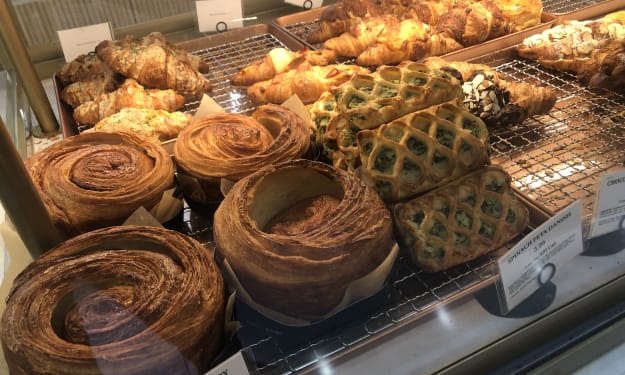
As someone who lives in a rural area, I don't get the chance to visit fancy restaurants or bakeries that often. So, when a friend told me about a French-Asian bakery that's less than an hour away, I knew I had to check it out and grab some pictures for social media. Tous les Jours ended up providing an immersive experience that went above and beyond my expectations--although I did leave with a few reservations.
By Kaitlin Shanks24 days ago in Feast



Comments
There are no comments for this story
Be the first to respond and start the conversation.