
Traditional Dishes of Mumu and Aigir
Papua New Guinea Food
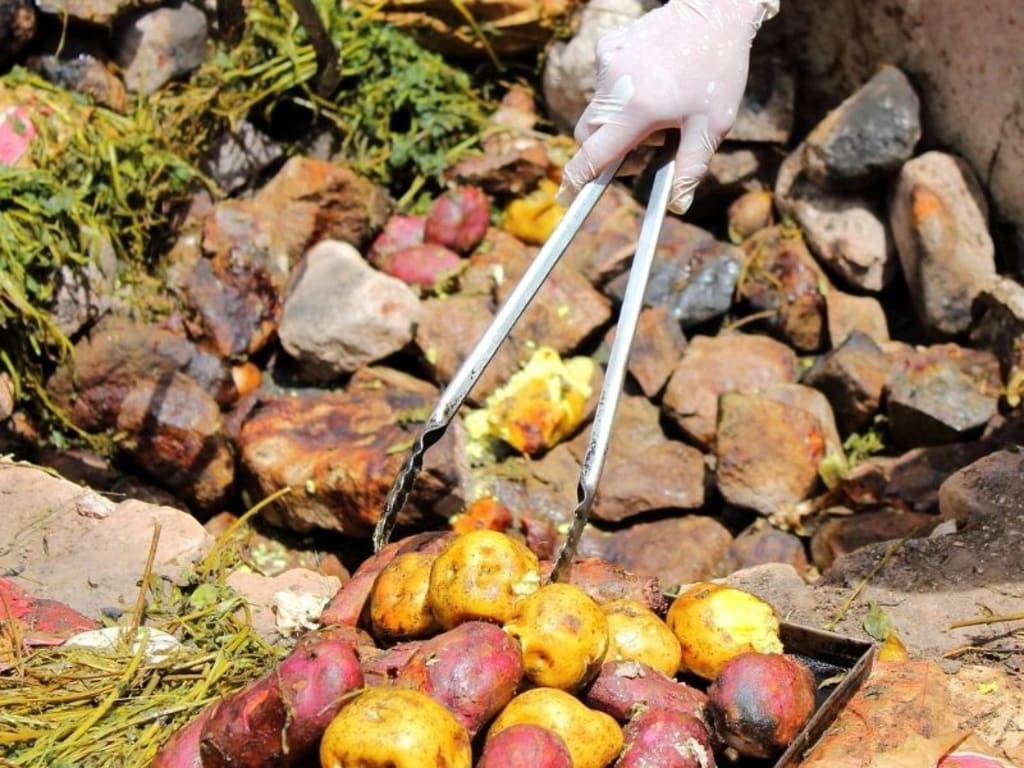
Papua New Guinea (PNG) is renowned for its rich cultural heritage, diverse languages, and traditional cuisines. Among the most iconic culinary practices are the Mumu and Aigir, both of which reflect the deep connection between the people and their land. These dishes are not just food but central to cultural ceremonies, gatherings, and festivals across the provinces of PNG.
Mumu: The Earth Oven Feast
The Mumu is a traditional method of cooking that involves an earth oven. It is a communal way of preparing food, particularly popular in the Highlands but practiced across many regions of PNG. The process begins with digging a pit in the ground, which is then lined with hot stones heated in an open fire. Ingredients, often a combination of meat, vegetables, and starchy staples, are wrapped in banana leaves and placed into the pit. These are covered with more leaves and earth to trap the heat, slow-cooking the food to perfection.
Key ingredients in a typical Mumu include:
Meat: Pork, chicken, or lamb, often marinated with local spices.
Vegetables: Sweet potatoes, taro, yams, and cassava.
Greens: Aibika (local spinach) and other leafy greens.
Extras: Cooking bananas and coconut cream for added flavor.
The Mumu is most famously associated with the Highlands provinces like Simbu, Eastern Highlands, Western Highlands, and Southern Highlands. However, it is also practiced in coastal and island provinces with slight variations.
Festivals and Occasions
Mumu is often the centerpiece of large gatherings, including:
Bride Price Ceremonies: Where a groom’s family presents the bride’s family with gifts and prepares a Mumu as a feast to symbolize unity.
Sing-Sing Festivals: Cultural gatherings featuring traditional dances, music, and food. Notable examples include the Mount Hagen Cultural Show in the Western Highlands and the Goroka Show in the Eastern Highlands.
Christmas and New Year: Many communities celebrate these holidays with a communal Mumu.
Aigir: A Traditional Claypot Dish
Aigir is another beloved dish, primarily associated with the coastal and island regions of PNG, such as Madang, East New Britain, New Ireland, and Morobe. Unlike the earth oven Mumu, Aigir is prepared in clay pots over an open fire.
The dish combines seafood (fish, prawns, or crabs) with vegetables and coconut milk, creating a flavorful and creamy stew. The ingredients are layered in the pot, starting with leafy greens like aibika, followed by root crops such as taro or sweet potatoes, and topped with freshly caught seafood. Grated coconut milk is poured over the layers, and the pot is simmered over low heat until the flavors meld together.
Festivals and Occasions
Aigir is particularly popular during:
Canoe Festivals: For example, the Kenu and Kundu Festival in Milne Bay, where traditional canoes are showcased. Aigir serves as a celebratory meal.
Harvest Celebrations: Marking the abundance of seafood and crops, Aigir is prepared to honor community effort and the blessings of the land and sea.
Family Gatherings and Ceremonies: Smaller occasions, such as family reunions or local church feasts, often feature Aigir as a staple dish.
Significance of Traditional Dishes in Festivals
Both Mumu and Aigir go beyond nourishment—they represent the spirit of sharing and community. Preparing these dishes is a collaborative effort, with men and women taking on various roles, from harvesting and cooking to presenting the food. These culinary traditions are also a way to pass down ancestral knowledge, ensuring that younger generations remain connected to their heritage.
In festivals, these dishes play a symbolic role, embodying the hospitality and generosity of PNG’s diverse cultures. Visitors to the Mount Hagen Cultural Show or the Kenu and Kundu Festival are often invited to partake in these meals, creating bonds of friendship and understanding.
Conclusion
The traditional dishes of Mumu and Aigir are deeply rooted in Papua New Guinea’s cultural identity. While Mumu showcases the resourcefulness of the Highlands communities with its earthy cooking method, Aigir highlights the bounty of the coastal regions with its use of fresh seafood and coconut. Both dishes are integral to festivals and ceremonies, bringing people together in celebration and gratitude. They are a testament to PNG’s rich culinary traditions and its people’s profound connection to the land and sea.
About the Creator
Grace Guise
i love creating content, i love writing and passionate about change, the world, the earth, the people and many things about life that is just magnificent. i love being alive, i love to breath the air and natural taste of water.
Keep reading
More stories from Grace Guise and writers in Feast and other communities.
Milne Bay Province
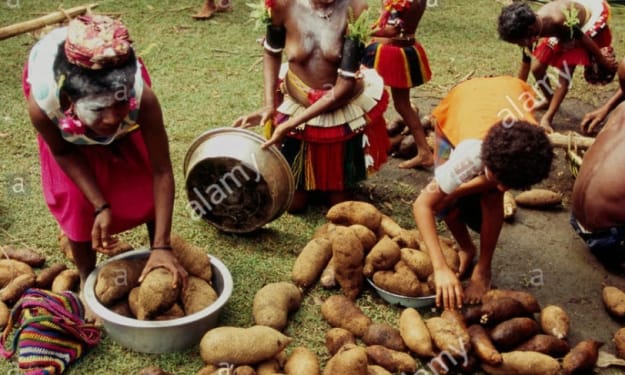
Milne Bay Province, located in the easternmost part of Papua New Guinea, is renowned for its rich cultural heritage, diverse traditions, and vibrant festivals. Among these, the Yam Festival holds a special place, serving as a symbol of gratitude, prosperity, and unity among the local communities. This annual event revolves around the cultivation, harvesting, and sharing of yams—an essential staple and cultural icon in Milne Bay society. The festival is a showcase of traditional dances, rituals, and culinary practices, offering a glimpse into the vibrant lifestyle of the people of this province.
By Grace Guiseabout a year ago in Feast
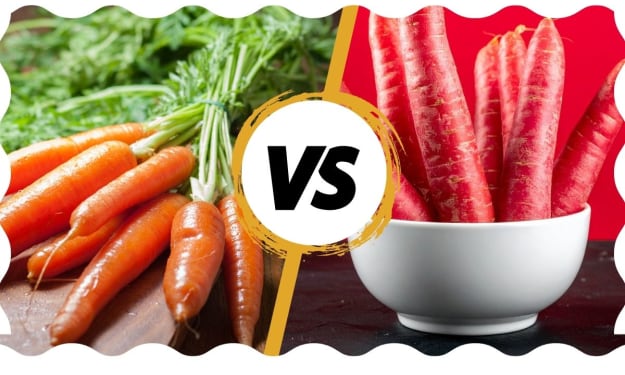
Orange vs Red Carrots
Carrots are among the most popular root vegetables around the world. They are widely appreciated for their natural sweetness, crunchy texture, and impressive nutritional value. While most people are familiar with orange carrots, many regions—especially in South Asia—also consume red carrots, particularly during winter. This often raises a common question: which carrot is better for health—orange or red?
By Stories Today6 days ago in Feast
Decaf Tea, The Ordinary Cup With Real Benefits
Decaf Tea, The Ordinary Cup With Real Benefits Many people think a cup of decaf tea is somehow weaker or pointless. That idea is not really true. The facts about decaffeinated tea show that it can be a very good choice, especially for people who want the comfort of tea without the strong effect of caffeine.
By George’s Girl 2026 3 days ago in Feast


Comments
There are no comments for this story
Be the first to respond and start the conversation.