
Traditional Chinese Cuisine – Guangdong Wedding Banquets
The Culture of Traditional Chinese Wedding Feasts

A wedding is a monumental occasion, symbolizing the union of two people in love. Wedding banquets vary greatly from country to country, and today, I’d like to introduce you to a traditional wedding feast from Guangdong, China.
Guangdong wedding banquets are known for their emphasis on etiquette, a rich variety of dishes, and auspicious meanings, blending both traditional and modern elements. The goal is to share joy and celebrate cultural heritage.
The five signature dishes of a Guangdong wedding banquet are: Garlic Vermicelli Steamed Lobster, Garlic Oysters, Roast Suckling Pig, Soy Sauce Steamed Fish, and XO Sauce Abalone, all reflecting Guangdong's well-wishes for the couple’s joy, prosperity, and completeness.
First, the Showstopper: Roast Suckling Pig
The roast suckling pig is always the centerpiece of the feast. Its golden, crispy skin symbolizes a happy life. In Guangdong, no wedding banquet is complete without it, and it’s considered the soul of a traditional Cantonese wedding. The pig’s crisp skin represents the bride and groom’s new life together—bright, prosperous, and full of good fortune.
How to Make Roast Suckling Pig:
Choose a 3-4 kg suckling pig, clean and remove the internal organs.
Marinate the pig for 24 hours with five-spice powder, salt, sugar, and other seasonings.
Blanch the pig’s skin with boiling water, then brush it with a mixture of white vinegar and maltose syrup. Dry the skin for 6-8 hours to ensure it becomes crispy.
Roast the pig in the oven. Start with low heat for 40 minutes, then switch to high heat for another 20 minutes until the skin is crispy and the meat is tender.
Serve the pig by cutting it into pieces and arrange it on a plate. It’s usually accompanied by white sugar, sweet sauce, thin pancakes, and green onions, making it easy to eat.
Second Course: Garlic Vermicelli Steamed Lobster
This dish symbolizes the bride and groom soaring together in life, achieving greatness, and flourishing in their marriage.
How to Make Garlic Vermicelli Steamed Lobster:
Choose live lobsters, peel and halve them, leaving the heads and tails intact for presentation.
Soak vermicelli in warm water until soft and place it on the bottom of a plate. Add a bit of soy sauce and oyster sauce for flavor.
Prepare the secret garlic sauce: Mix minced raw and cooked garlic, sugar, salt, soy sauce, and chili, then pour hot oil over the mixture to release the fragrance.
Place the lobster on top of the vermicelli and pour the garlic sauce over it. Steam on high heat for 8-10 minutes.
Garnish with chopped scallions and diced peppers, then drizzle with hot oil to enhance the aroma.
The steamed lobster has a firm and bouncy texture, and it’s full of flavor—deliciously chewy and satisfying.
Third Course: XO Sauce Abalone
In China, abalone is associated with wealth, as the word "bao" sounds similar to "wealth". This dish symbolizes a prosperous and wealthy future for the newlyweds.
How to Make XO Sauce Abalone:
Choose large three-head abalones, remove the shell and internal organs, and clean the meat using a brush.
Blanch the abalone for 30 seconds, then marinate it in cooking wine and ginger for 10 minutes to remove any fishy odor.
Make the XO sauce: Chop dried scallops, ham, and shrimp, then stir-fry with chili, garlic, and XO sauce to release the fragrance.
Arrange the abalone on a plate, spoon the XO sauce over it, and steam for 5-6 minutes.
Garnish with broccoli or shiitake mushrooms for added color and nutrition.
The standout feature of XO Sauce Abalone is its firm, tender texture. The subtle granules from the XO sauce add a delightful texture, enhancing the overall eating experience and avoiding monotony.
Fourth Course: Soy Sauce Steamed Fish
Eating fish in China represents harmony and unity, symbolizing a marriage full of mutual affection and the couple living in perfect harmony, just like “fish in water.”
How to Make Soy Sauce Steamed Fish:
Choose a fresh star grouper, clean and scale the fish.
Make slashes on the fish’s body and stuff it with ginger slices and green onions. Steam for 6-8 minutes.
After steaming, discard the water in the plate, remove the ginger and scallions, and replace them with fresh ginger, scallions, and red chili strips.
Drizzle with soy sauce and pour hot oil over the fish to bring out the fragrance.
The method is simple, but when you taste it, the fish is exceptionally fresh and flavorful. Given Guangdong’s coastal geography, it’s no surprise that Cantonese cuisine is known for its mastery in preparing seafood.
Fifth Course: Garlic Oysters
Oysters are a symbol of fertility in Chinese culture, and this dish represents the newlyweds having children and a thriving family.
How to Make Garlic Oysters:
Select large, fresh oysters with shells (about 100-150 grams each) and clean them with a brush.
Pry open the oysters, keeping the bottom shell, remove the internal organs, and marinate with cooking wine and salt for 5 minutes.
Prepare garlic sauce (same as the one used for lobster), add a little vermicelli, and steam the oysters for 3-4 minutes (to keep them tender).
Garnish with scallions and drizzle with hot oil. A squeeze of lemon juice adds freshness and cuts through the richness of the oysters.
In Guangdong, it’s customary to have sweet soup before salty dishes, so oysters are often served with a sweet soup to symbolize "sweet happiness" in the marriage.
About the Creator
I Discovered A Better Way To Cook Cabbage
I recently posted this question on Facebook: I was surprised by some of the answers, especially about cabbage. Chicken: 40% Cabbage: 30% Salmon: 20% Others: 10% (including steak, crab cakes, fish, chili dogs, chicken salad, mac and cheese, cold cuts, potatoes, and ham)
By Margaret Minnicks3 days ago in Feast
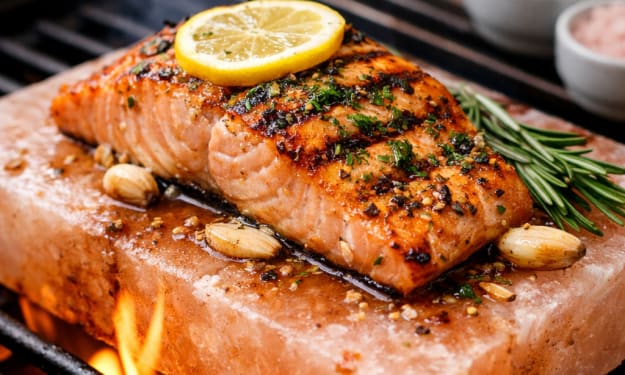
Grilled Salmon on Himalayan Pink Salt Bricks: Extraordinary Taste
That smoky piece of grilled salmon? People love how it tastes, full and hearty, yet light on the body thanks to good fats. Still, nailing the taste at home trips up plenty - too much salt shows up fast, or worse, the flesh turns stiff and parched before it's done.
By Hendra Edwarda day ago in Feast
My First Time Skiing and I Got Lost, Alone, in the French Alps
Looking back, I can trace some of my life’s biggest adventures to a simple action from my sister. She’d introduced me to Tommy (a very long time ago), a colleague of hers, who had overshared his penchant for Italian-looking women, and I ticked that box.
By Chantal Christie Weiss2 days ago in Humans



Comments
There are no comments for this story
Be the first to respond and start the conversation.