
TikTok
Exploring its Phenomenal Success, National Security Concerns, and Future
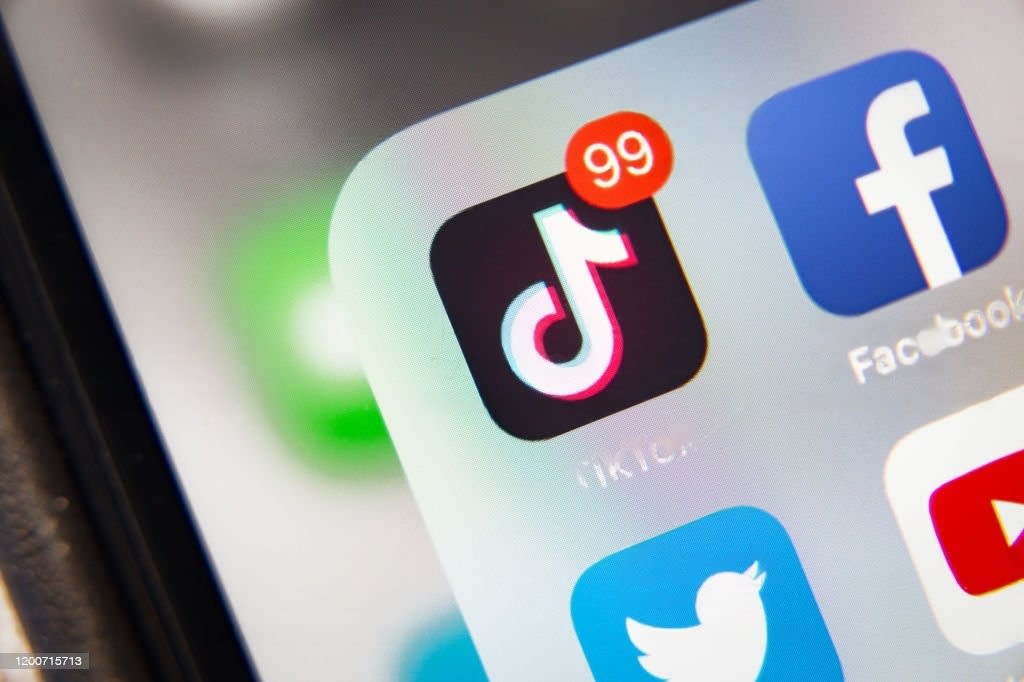
In today's digital world, where our attention is constantly fixated on our smartphones, one app stands out above the rest - TikTok. With its short-form videos and addictive content, TikTok has taken the world by storm. However, the app's popularity has also sparked concerns about national security, leading several countries to consider banning it. In this blog post, we will delve into the reasons behind the global scrutiny of TikTok, exploring its origins, meteoric rise, controversies, and potential implications for users' privacy.
TikTok, launched in 2017, quickly gained traction worldwide, with over 3 billion downloads in just three years. Its success can be largely attributed to the 2020 pandemic, which provided an ideal environment for people seeking entertainment and connection. Today, TikTok boasts a staggering 150 million users in the United States alone, making it an influential cultural phenomenon.
The roots of TikTok trace back to ByteDance, a Chinese company that introduced an innovative news app called Headlines in 2012. This app utilized a personalized algorithm to deliver tailored news to users. Inspired by their success, ByteDance's CEO, Sho Chu, envisioned applying a similar algorithm to short videos. In 2016, they launched Douyin, the Chinese version of TikTok. This app retained the personalized content curation, but with an expanded array of Chinese language options and a section that glorifies the Chinese government.
Unlike other social media platforms, TikTok focuses on individual users, employing algorithms that consider a multitude of variables to create a more nuanced content curation. Whether you are into kittens, surfing, or baking brownies, TikTok's algorithm will strive to present you with videos tailored to your unique interests. The app's layout and presentation are incredibly addictive, designed to keep users engaged through a carefully curated feedback loop. In some ways, the addictive behavior and sensory overload resemble the mechanics of a slot machine.
Interestingly, TikTok owes much of its success to its competitors. ByteDance devised a genius marketing strategy by poaching top employees and influencers from platforms like Facebook and YouTube. They even spent billions of dollars on ads, directly driving traffic from their competitors to TikTok. This strategic move caught Facebook and YouTube off guard, as they underestimated TikTok's ability to penetrate the market. In response, they started copying TikTok's features and format, albeit without much success, given TikTok's overwhelming popularity.
TikTok's ability to generate both content and users played a significant role in its meteoric rise. The app offers a wide range of editing features that would typically take years to master on more complex software. They also promoted challenges that inspired users to create and share their videos, fostering a sense of community and engagement. The viral nature of TikTok made it easier for ordinary people to gain fame overnight, a stark contrast to platforms like YouTube and Facebook, where going viral is a more arduous process.
Despite its impressive achievements, TikTok has faced intense scrutiny and controversy. Former US President, Donald Trump, even vowed to ban the app from the country. The concerns stem from TikTok's Chinese ownership and the potential national security risks associated with it. Several countries, including the UK, EU, Canada, New Zealand, India, and Pakistan, have banned or restricted TikTok's usage by government officials due to these concerns.
China's approach to personal privacy and corporate practices differs significantly from Western norms. Any company operating within China must comply fully with the Chinese government's demands, including providing access to resources when requested. This raises valid concerns about data privacy and the potential for Chinese surveillance. While apps like Facebook, Twitter, and Instagram also collect user data, the fact that TikTok is a Chinese-owned app heightens these concerns.
In response to the growing scrutiny, the Biden administration has taken steps to address national security concerns. They have signed legislation banning TikTok from government devices and are pressuring ByteDance to sell the app to an American company. However, the US government's ability to outright ban TikTok for general consumer use remains uncertain due to constitutional rights, such as the First Amendment. Discussions are ongoing, with considerations of legislation that could restrict TikTok's ad sales and software updates, effectively crippling the app's operations in the US.
As for the future of TikTok, only time will tell how the situation unfolds. Show Chu, the CEO of ByteDance, has testified before Congress, assuring them of TikTok's commitment to safety, user privacy, and free expression without government manipulation. He claims that TikTok's data is stored outside of China, in locations such as Singapore, with plans to expand storage to the US and Norway. However, skepticism remains regarding the potential for data access and surveillance by the Chinese government.
While TikTok's fate in the US hangs in the balance, the app continues to thrive globally. With hundreds of millions of users in China and around the world, TikTok has cemented itself as a cultural force to be reckoned with. The loss of revenue from US businesses using the app would be a blow, but it is uncertain whether it would significantly impact TikTok's overall success.
In conclusion, TikTok's journey from obscurity to global fame has been remarkable. However, its rapid rise has also raised concerns about national security and data privacy due to its Chinese ownership. Governments worldwide are grappling with the decision to ban or restrict TikTok. Whether TikTok manages to address these concerns, adapt to changing regulations, and maintain its position as the go-to video app remains uncertain. As users, it's essential to stay informed about these developments and understand the potential risks associated with using the app.
About the Creator
Keep reading
More stories from Myke & Amy and writers in Feast and other communities.
Resilience and Individuality
In the middle of September 1888, a destitute Dutchman, who would soon be confined to an asylum and pass away within two years, found himself seated in the eastern corner of the Place du Forum in Arles. It was here that he began working on a painting that would later become one of the most remarkable and cherished pieces in history: "Café Terrace at Night." This masterpiece juxtaposed our cozy nocturnal rituals beneath man-made lamps with the vast mysteries and sublime wonders of the cosmos.
By Myke & Amy3 years ago in Feast
Kratom Powder Benefits: What Research and Experts Actually Say
Interest in herbal products has grown rapidly over the last decade. People now explore natural botanicals for different wellness routines, and kratom often appears in that conversation. Many online searches focus on kratom powder benefits, but the topic requires careful discussion.
By thomas oshobo4 days ago in Feast
Titan Submersible Disaster Investigation: Structural Failure Caused Catastrophic Implosion
The tragic loss of the Titan submersible has been attributed to a catastrophic structural failure that caused the vessel to implode under immense deep-sea pressure, according to the findings of a detailed investigative report. The report concludes that all five individuals aboard the submersible died instantly when the vessel’s hull collapsed thousands of meters beneath the surface of the Atlantic Ocean.
By Irshad Abbasi 2 days ago in Feast
Bomb Scare
It was 2027, and the world never thought it would happen. A missle hit the United States, but it wasn't where they had anticipated. A little town in the northeast was hit by a missile strike, they didn't know why, and they didn't know exactly where it hit, but they did know it was a coastal community, somewhere between Maine and Delaware.
By Gregory Payton4 days ago in Fiction




Comments
There are no comments for this story
Be the first to respond and start the conversation.