
This Is the Rainforest Delicacy You Should Try — Yunnan’s Crossing-the-Bridge Rice Noodles
The rich, layered flavors of mountains and rainforest bloom on your palate.


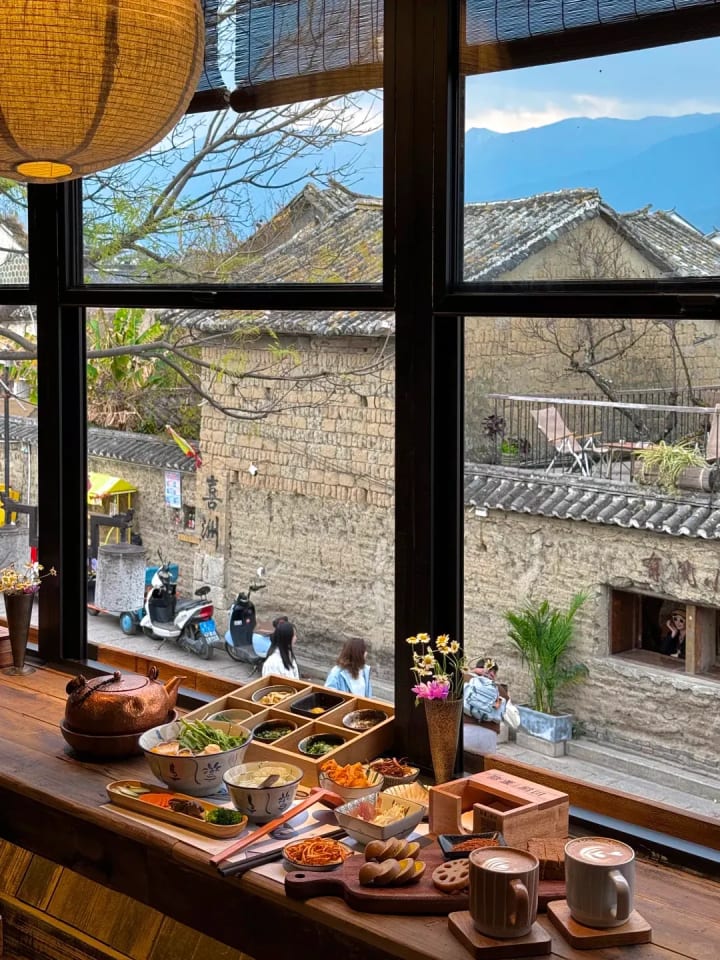
If you’ve ever visited Yunnan in southwest China, you might notice rows of small eateries lining the streets, each serving just one thing — Yunnan’s Crossing-the-Bridge Rice Noodles (Guoqiao Mixian). Step inside one, and you’ll find a bowl of silky white rice noodles already waiting on a wooden table, accompanied by paper-thin slices of raw pork, tender chicken, tofu skin, bean sprouts, and a few leaves of fresh green vegetables.
Soon, the server brings over a steaming jug of chicken broth and gently pours it into the bowl. Golden drops of oil swirl on the surface, releasing a wave of fragrant steam. You’re invited to add the plate of ingredients one by one — the delicate raw meat curls into tender pink slices in the boiling broth, while the rice noodles turn even softer, soaking up the soup’s aroma. Black fungus, enoki mushrooms, cilantro, and a touch of pepper oil merge into a vibrant mix of colors and aromas — a warm invitation to taste.
Mountains, Waters, and Culture in a Single Bowl
This seemingly simple dish carries the very soul of Yunnan — the moist air of its lakes, the gentle warmth of its year-round springlike climate, and the culinary wisdom born from its diverse ethnic heritage. Here, the rich broth of the Han people, the earthy mushroom flavors of the Yi, and the halal meats of the Hui all meet in a single steaming bowl.
In Yunnan, Crossing-the-Bridge Rice Noodles is more than just food — it’s a symbol of comfort and connection. It’s the comforting aroma drifting from a small eatery on market day, the main dish shared by guests at an ethnic minority wedding, and the bowl of warmth that greets a weary backpacker at journey’s end.
The Warm Legend Behind the Dish
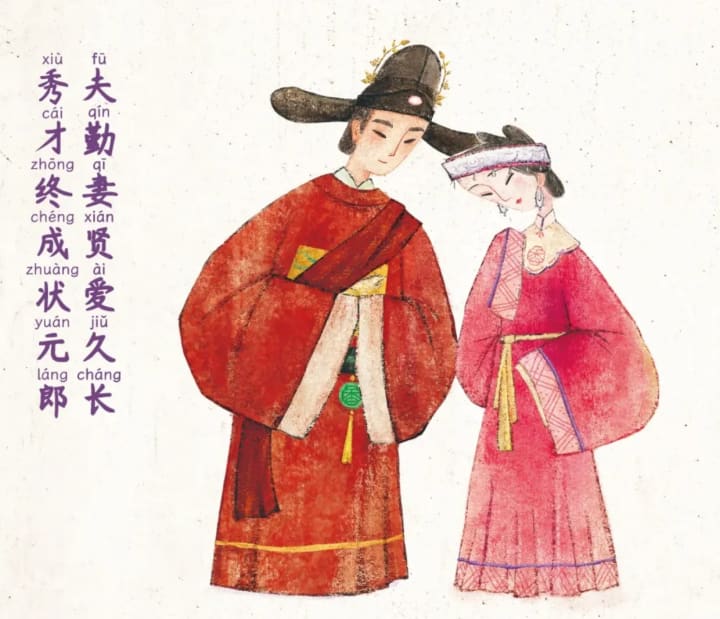
The origin of this dish, as told by a local shop owner, comes from a story still cherished in Yunnan folklore: In the late Qing Dynasty, a scholar lived in seclusion on a small island in a lake to prepare for the imperial exams. His wife brought him meals daily, but by the time she crossed the long bridge, the soup had cooled. One day, she covered the hot chicken broth with a layer of oil, paired it with raw meat slices and rice noodles, and delivered it still steaming. The scholar, touched by her ingenuity, called it “Crossing-the-Bridge Rice Noodles” — and the name endured.
The Secret to a Perfect Broth and Noodles
The secret to an authentic bowl lies in its broth. According to Ms. Wang, a well-known inheritor of Yunnan’s Crossing-the-Bridge Rice Noodles tradition, she begins simmering the soup at 2 a.m. every day. It’s made with pork bones, pork, chicken, Yunnan’s unique mushrooms, a secret spice blend, and salt — with no chemical additives. Each pot is cooked for at least four hours, coaxing out the ultimate depth of flavor.

The rice noodles are equally important. Traditional ones are made from only rice and water — a time-consuming process that yields a soft yet resilient texture. Once immersed in the broth, they release a clean, natural fragrance that fills the mouth, a hallmark of their “pure ingredient list.”
A Rare and Precious Bowl
Though Yunnan’s Crossing-the-Bridge Rice Noodles are famous both in China and abroad, their cultural prestige in the “rice noodle world” is unmatched. Yet, fame and industrial scale are different matters — according to Chinese market data, the total output value of Yunnan rice noodles is still under 50 billion RMB. The dish’s strict preparation requirements and reliance on fresh ingredients limit large-scale production, making its unique flavors and cultural roots even more precious.
So, if you spot this ritual-like “Yunnan-style chicken soup” on the menu of a Chinese restaurant near you, don’t hesitate — try it. You might just taste the lush rainforest essence of a faraway land, rich and unforgettable.

About the Creator
Cher Che
New media writer with 10 years in advertising, exploring how we see and make sense of the world. What we look at matters, but how we look matters more.
My Tous les Jours Trip
As someone who lives in a rural area, I don't get the chance to visit fancy restaurants or bakeries that often. So, when a friend told me about a French-Asian bakery that's less than an hour away, I knew I had to check it out and grab some pictures for social media. Tous les Jours ended up providing an immersive experience that went above and beyond my expectations--although I did leave with a few reservations.
By Kaitlin Shanks16 days ago in Feast
Hummus and Flatbread
Okay, yes baking is my thing but a while ago I used to make a lot of hummus and the story behind it is simply this: I love the idea of hummus I just hate the one that comes from the shops so I made my own. I always found the one from the shops tastes like sludge and doesn't have a great texture to it. I'd like a little bit more flexibility in my hummus and so - I give you my secret recipe for creating great tasting, spicy hummus with very little effort.
By Annie Kapur6 days ago in Feast
The steps to losing a child
Step One: Lose a child. Not what anyone wants to happen and nothing you can do to change it, but you can go through steps to becoming happy again. You can go through steps to loving again. You can go through steps to become a new you because after losing a child you will never be the same person you once were.
By Tabitha Hinkley3 days ago in Fiction



Comments
There are no comments for this story
Be the first to respond and start the conversation.