
This Exotic Coffee Costs More Than Gold—And It's Made From Animal Poop!
Discover the shocking origins of the world's most expensive coffee


Coffee lovers will pay a premium for the perfect cup, but would you sip on a brew that took a detour through an animal’s digestive system? This isn't a joke. There is a coffee so rare and expensive that it can cost more per pound than gold. The secret behind its unique flavor lies in a process that sounds too wild to be true.
☕️ What Makes Kopi Luwak So Expensive
Some of the finest coffee beans in the world never make it straight from the plant to the roaster. Instead, they take a pit stop in the belly of the Asian palm civet, a small, cat-like creature found in Indonesia. These animals feast on the ripest coffee cherries, digesting the fruit while leaving the beans mostly intact. During digestion, natural fermentation alters the beans' chemical structure, reducing bitterness and creating a smooth, rich taste. Once excreted, these beans are collected, washed, dried, and roasted.
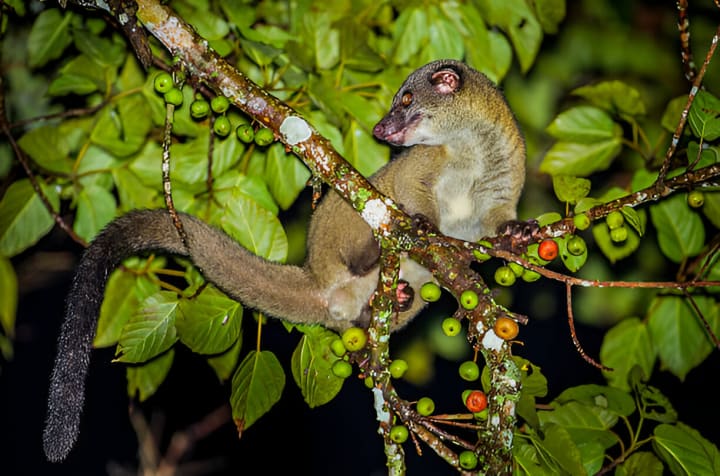
The result? Kopi Luwak, a luxury coffee with a hefty price tag. Some buyers willingly spend hundreds of dollars for a single pound, believing its rarity and unique processing give it an unmatched flavor. In high-end cafes, one cup can cost as much as a fancy bottle of wine.
☕️ The Taste That Divides Coffee Lovers
Enthusiasts swear by its smoothness, claiming the natural fermentation process inside the civet’s stomach gives the coffee a deep, earthy flavor without the usual acidity. Some describe hints of caramel and chocolate, making it one of the most unique coffee experiences money can buy.
However, not everyone is convinced. Some coffee experts argue that the hype surrounding Kopi Luwak is more about its exotic origin than its actual flavor. Blind taste tests have shown that high-quality, traditionally processed beans often perform just as well, if not better.
☕️ The Ethical Dilemma Behind Civet Coffee
Originally, Kopi Luwak came from wild civets roaming the forests, naturally selecting the best coffee cherries. But as demand grew, some producers began keeping civets in captivity, cramming them into cages and force-feeding them coffee cherries to maximize production. Reports from various animal rights groups reveal distressing conditions—poor diet, stress, and even death among these captive civets.
This raises an important question: Is the price tag worth the suffering? Ethical concerns have led many to seek alternatives, such as coffee from wild, free-roaming civets. Some farms now use ethical sourcing, ensuring the animals live in their natural habitat and only consume the cherries they choose. But without proper regulation, finding truly ethical Kopi Luwak can be a challenge.
☕️ Health Claims And The Reality Behind Them
Some believe Kopi Luwak is easier on the stomach due to its lower acidity, making it a great option for those with digestive issues. Others claim it contains more antioxidants, giving it potential health benefits beyond the usual coffee perks.
While these claims make the coffee even more appealing, scientific research is still limited. Like any premium product, some of the health benefits might be exaggerated to justify its high cost. The best way to enjoy coffee’s health perks remains choosing high-quality beans, whether they come from a civet or not.
☕️ The Future Of Luxury Coffee
With ethical concerns rising, some scientists and coffee enthusiasts are working on alternatives to traditional Kopi Luwak. Researchers are now replicating the fermentation process in labs, aiming to create a similar flavor profile without using animals. Others are focusing on high-quality beans that naturally produce the same smooth, low-acid profile without needing digestion to do the job.
Sustainability and ethics are becoming major talking points in the coffee industry. As more people learn about how their favorite drinks are sourced, the demand for ethical and environmentally friendly coffee options continues to grow.
☕️ Is Kopi Luwak Worth It?
For those curious enough to try it, sourcing matters. If you're spending hundreds on a cup, it’s worth making sure the beans come from ethically produced sources rather than farms that exploit civets. Ethical options exist, but they require extra effort to find.
For the adventurous, Kopi Luwak offers a one-of-a-kind coffee experience. But for those who prioritize sustainability and animal welfare, there are plenty of other high-quality coffees that deliver incredible flavors without controversy. At the end of the day, the best coffee is the one that satisfies both your taste buds and your conscience.
-------------------------------------------------------------------------
╰⪼ 💡 Fact: Your morning habits literally rewire your brain. Studies show that people with a solid morning routine have higher focus, lower stress, and even make better financial decisions.
Yet, most people wake up feeling groggy, rushed, and unmotivated—stuck in a cycle that kills productivity before the day even starts.
Good news? A proven, science-backed framework can transform your mornings without waking up at 5 AM or chugging gross green smoothies.
About the Creator
Ojo
🔍 I explore anything that matters—because the best discoveries don’t fit into a box...
My Tous les Jours Trip
As someone who lives in a rural area, I don't get the chance to visit fancy restaurants or bakeries that often. So, when a friend told me about a French-Asian bakery that's less than an hour away, I knew I had to check it out and grab some pictures for social media. Tous les Jours ended up providing an immersive experience that went above and beyond my expectations--although I did leave with a few reservations.
By Kaitlin Shanks23 days ago in Feast




Comments
There are no comments for this story
Be the first to respond and start the conversation.