
Think Fruits Are Always Healthy? You’ll Be Shocked by This
The Hidden Downsides of Nature’s Sweet Treats

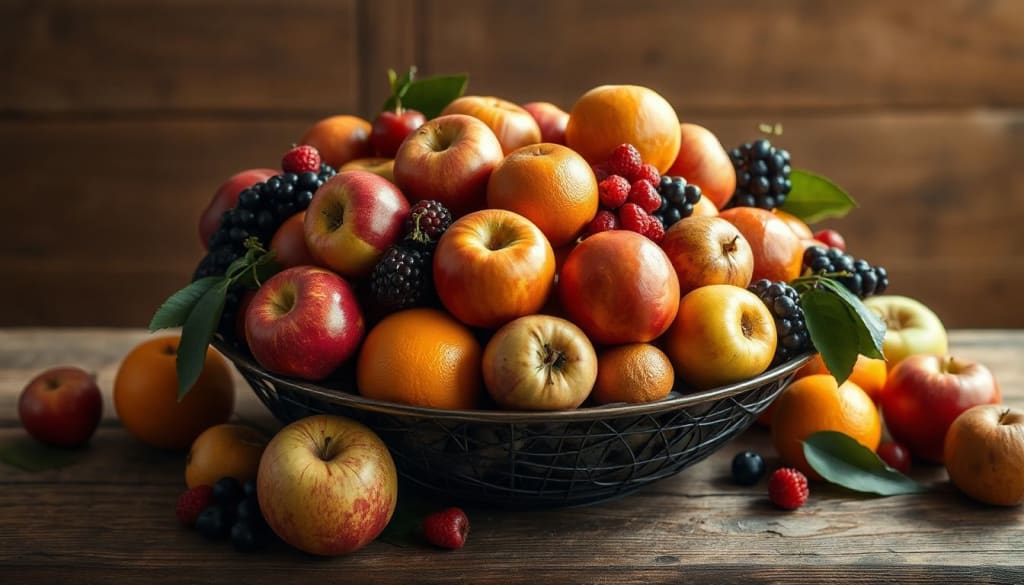
Many people believe all fruits are universally healthy and beneficial. This common misconception often overlooks important nuances. Like most foods, fruits have potential downsides and require careful consideration.
Certainly, fruits offer many known advantages. They provide essential vitamins, dietary fiber, and powerful antioxidants. These components support overall well-being and protect the body.
However, some aspects of fruit consumption might surprise you. High sugar content, specific health conditions, and various processing methods can affect their impact. Even overconsumption can turn a good thing into a problem. This article provides a balanced, evidence-based view on enjoying fruit smartly.
The Sweet Truth: Unpacking Fruit's Sugar Content
Fructose: The Primary Culprit
Fructose is a type of sugar found naturally in fruit. When consumed in large amounts, especially from concentrated sources like fruit juice, it raises health concerns. Unlike glucose, which fuels all body cells, fructose is mainly processed by the liver.
Excess fructose intake is linked to non-alcoholic fatty liver disease. It can also disrupt insulin signaling, potentially leading to insulin resistance. This makes it a significant concern when not consumed in moderation.
Glycemic Index and Load: Not All Fruits Are Created Equal
The Glycemic Index (GI) measures how quickly a food raises blood sugar. Glycemic Load (GL) considers both the GI and the portion size. These metrics help understand fruit's effect on glucose levels.
Some fruits have a higher GI and GL. Watermelon, ripe bananas, and most dried fruits can cause rapid blood sugar spikes. In contrast, berries, apples, and pears have lower GI and GL values. Fruit ripeness also increases its sugar content and GI. Many common fruits contain over 15 grams of sugar per typical serving.
Hidden Sugars in Processed Fruit Products
Processing often strips fruit of its natural benefits. This turns a healthy whole food into a less nutritious option. Always check labels to avoid unexpected sugar.
Fruit juices, for instance, lack fiber, concentrating their sugar. Dried fruits often come with added sugars, making them much sweeter. Fruit-flavored yogurts and canned fruits in syrup also hide significant amounts of added sugar. A whole apple provides fiber and slowly releases sugar. A glass of apple juice delivers a quick sugar surge without the same benefits.
When Fruit's Benefits Can Be Overwhelmed: Specific Health Considerations
Blood Sugar Management and Diabetes
Individuals managing diabetes or insulin resistance must carefully consider fruit intake. While fruits offer nutrients, their sugar content impacts blood glucose levels. Mindful eating is crucial for these individuals.
Portion control becomes critical. Choosing low-GI fruits like berries or citrus helps prevent sharp sugar spikes. Pairing fruits with protein or healthy fats also slows sugar absorption. As a registered dietitian might state, "Diabetics can enjoy fruit, but focus on small portions of whole, low-glycemic options, always balancing them with protein or fat."
Digestive Sensitivities and FODMAPs
Some people experience digestive discomfort from certain fruits. This sensitivity often relates to specific carbohydrate types. Understanding these can help manage symptoms.
FODMAPs are fermentable sugars found in various foods, including some fruits. High-FODMAP fruits like apples, pears, and mangoes can trigger bloating, gas, and abdominal pain in sensitive individuals. The low FODMAP diet often temporarily restricts such fruits to identify triggers.
Weight Management: The Calorie and Sugar Factor
Fruits contribute calories and sugar to your diet, affecting weight management. While nutritious, eating too much can increase overall calorie intake. This can hinder weight loss efforts.
Fruit juices and dried fruits are particularly calorie-dense. They allow for straightforward overconsumption without feeling full. Always remember that calories from fruit, like any other food, count toward your daily total. Mindful eating and portion awareness are vital when adding fruits to a weight management plan.
The "Healthy" Illusion: Unintended Consequences of Fruit Consumption
Overconsumption: Too Much of a Good Thing
Eating too much fruit, even healthy fruits, can lead to negative effects. Moderation is key to maximizing benefits while avoiding drawbacks. Digestive upset and nutrient imbalances can occur.
Excess fruit intake can also displace other essential food groups from your diet. This leads to a lack of diverse nutrients. Furthermore, the sugar-related concerns discussed earlier intensify with overconsumption. Most adults should aim for 2-3 servings of fruit daily; going much beyond this constitutes overconsumption.
Pesticide Residues and Organic Choices
Pesticide use on conventionally grown fruits raises health concerns for some. These chemicals can remain on produce after harvesting. People often worry about potential health implications.
The Environmental Working Group (EWG) publishes "Dirty Dozen" and "Clean Fifteen" lists. These guides help consumers decide when to prioritize organic options. Washing all produce thoroughly, regardless of organic status, helps reduce pesticide residues.
The Impact of Juicing and Smoothies
Juicing and blending fruits changes their nutritional profile significantly. Whole fruits offer more benefits than their liquid forms. Consider how these processes alter the food.
Juicing removes beneficial fiber, concentrating the fruit's natural sugars. This often leads to rapid blood sugar spikes. While homemade smoothies retain fiber, they can still pack a high sugar punch if not carefully balanced. As one nutritionist might explain, "Whole fruit offers a complete package of fiber and nutrients, making it superior to juices or even many smoothies for consistent health benefits."
Maximizing Fruit's Benefits: A Balanced Approach
Smart Choices: Which Fruits to Prioritize
To get the most out of fruit, select options with excellent nutritional profiles and fewer downsides. Focus on variety and nutrient density. These choices contribute positively to your diet.
Prioritize berries for their high antioxidant content and lower sugar. Apples, pears, and citrus fruits also offer great benefits. Avocado stands out with its healthy fats. Aim for a rainbow of colors to ensure a wide range of beneficial phytonutrients in your diet.
Portion Control and Frequency
Understanding how much fruit to eat and how often is vital for a healthy approach. Avoid consuming large quantities at once. Proper portioning helps manage sugar intake.
Aim for specific serving sizes, such as one medium apple or one cup of berries. Spreading your fruit intake throughout the day is more beneficial than eating a large amount in one sitting. This strategy helps maintain steady blood sugar levels and prevents overconsumption.
Combining Fruits with Other Nutrients
You can mitigate the impact of fruit sugars on blood glucose. Pair fruits with other nutrients to create balanced snacks. This slows down sugar absorption and keeps you feeling full longer.
Combine fruits with protein sources like Greek yogurt, nuts, or seeds. Healthy fats, such as those in avocado or nut butter, also work well. An excellent example is apple slices with a tablespoon of almond butter or a handful of berries mixed into plain Greek yogurt.
Conclusion
Fruits are generally healthy, yet they require thoughtful consumption. Understanding their sugar content, glycemic impact, and how processing changes them is key. Also, consider your individual health conditions.
Embrace a mindful and balanced approach to eating fruit. Prioritize whole fruits, consume them in moderation, and integrate them into a diverse diet. This strategy ensures you gain their many benefits without unintended drawbacks.
...
Thank you for reading! 🌷
🙌 If you enjoyed this story, don’t forget to follow my Vocal profile for more fresh and honest content every day. Your support means the world!
About the Creator
vijay sam
🚀 Sharing proven affiliate marketing tips, smartlink strategies, and traffic hacks that convert. Follow for insights, tools, and real results to help you earn smarter—whether you're just starting or scaling up!
Cricket powder cinnamon banana bread
I lived in Mexico for some years, many Moons ago, twice. It was there when I saw for the first time fried crispy crickets (known as chapulines in Mexico) tacos seasoned with lime, garlic, salt, and chile. Cricket tacos are a traditional delicacy which is especially popular in the Oaxaca region of Mexico. You can find them as a street food optionat outdoor markets in Mexico (look for chapulines) or at speciality restauants in the U.S. (just make sure the crickets are for human consumption).
By Susan Fourtané about a month ago in Feast
North America Pasta Market Size & Forecast 2025–2033
Introduction Pasta has quietly transformed from a traditional Italian staple into a universal comfort food across North America. Once associated mainly with classic recipes and home cooking, it now appears in gourmet menus, meal kits, microwaveable bowls, and plant-based diets. According to Renub Research, the North America pasta market was valued at US$ 6.23 billion in 2024 and is projected to reach US$ 8.91 billion by 2033, expanding at a CAGR of 4.05% from 2025 to 2033.
By Janine Root 6 days ago in Feast


Comments
There are no comments for this story
Be the first to respond and start the conversation.