
The Vanished Imperial Spring Feast: Recreating Empress Dowager Cixi's Beloved Elm Seed Cakes — A 3x Fragrance Boost with This Leaf Lining Technique
The Vanished Imperial Spring Feast
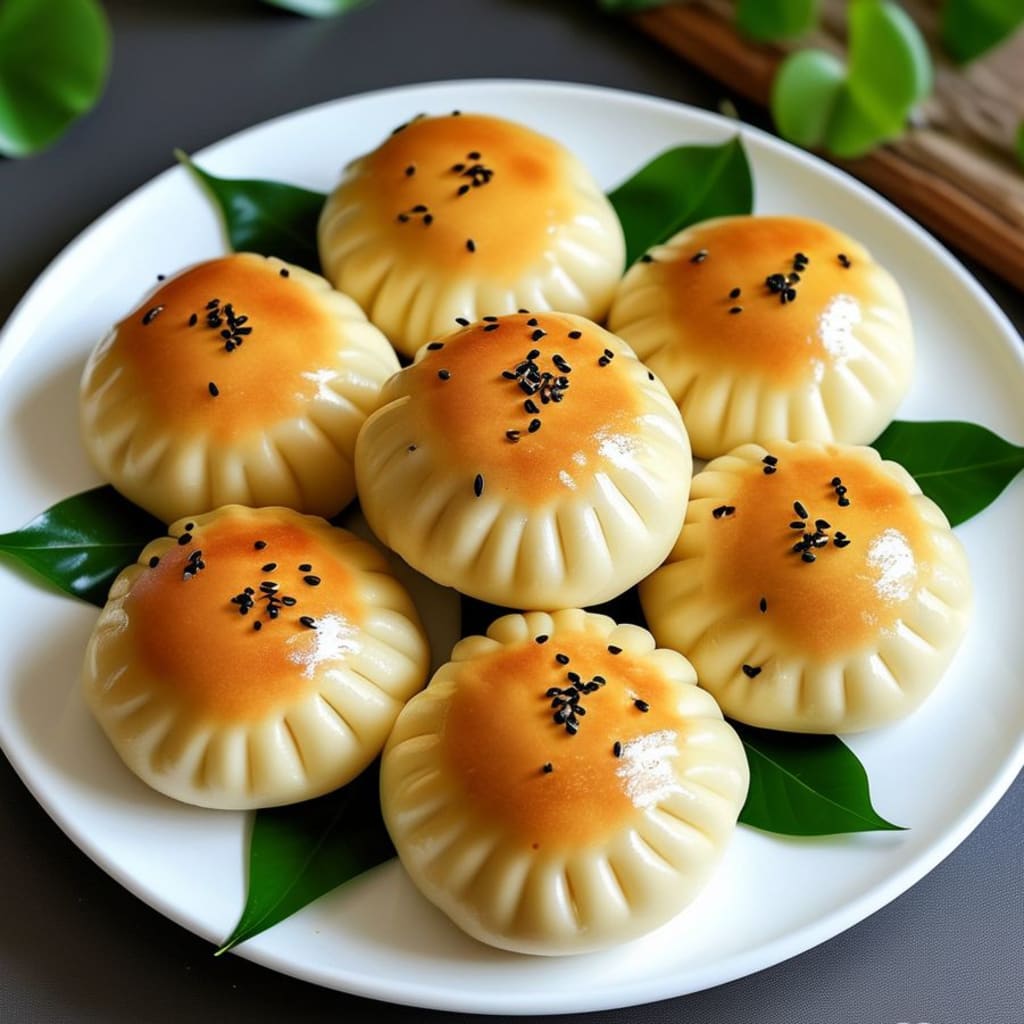
One misty spring morning in a Beijing hutong, I stumbled upon a culinary relic in a century-old eatery. A septuagenarian chef arranged delicate green discs in a bamboo steamer, layering fresh lotus leaves beneath them like pages of an edible manuscript. "These were Empress Dowager Cixi's favorite," he murmured, his hands moving with ancestral muscle memory. "Few remember now... even fewer care."
The Ephemeral Treasure: Elm Seeds as Spring's Currency
The yuqian (elm seeds), nature's jade coins, emerge exclusively in early spring. These disc-shaped seeds—translucent at the edges with a plump center—mark the true arrival of spring in northern China. Their fleeting season follows strict phenological rules: harvest too early (before Qingming Festival) and they taste astringent; too late (post-Grain Rain) and they turn fibrous. My grandmother's wisdom echoes through time: "Miss the Qingming harvest, wait another year."
Childhood memories resurface: scrambling up elm trees with woven baskets, shaking branches until a shower of green coins pattered onto spread-out aprons. The joy of catching spring itself in fabric folds—this ritual connected generations until urbanization erased elm groves from cityscapes.
Resurrecting an Imperial Delicacy
Historical records reveal Cixi's obsession with these cakes, not just for their delicate flavor but their symbolism—the seed's resemblance to ancient copper coins promised endless prosperity. The palace version elevated simplicity to opulence, blending lotus seed paste, osmanthus syrup, and pine nuts into the dough.
My recreation journey involved eight failed batches and a eureka moment. The secret? Texture alchemy. The dough demands Goldilocks perfection: firm enough to hold shape but soft enough to yield. The ideal test? Press three fingers into the risen dough—it should rebound slowly, like memory resisting oblivion.
Imperial Recipe Decoded
Traditional Core:
• Fresh elm seeds 500g (substitute dried ones soaked overnight if necessary)
• Premium wheat flour 400g
• Warm water (35°C/95°F, "baby's bath temperature")
• Yeast 8g
• Rock sugar 60g
• Fresh lotus leaves (mandatory for steaming)
Palace Upgrade:
• Lotus seed paste 100g
• Osmanthus blossom syrup 1 tsp
• Rose petal jam 1 tsp
• Pine nuts 30g
The Art of Yuqian Bobo Crafting
1. Elm Seed Initiation
Harvested seeds require monastic-level care. After meticulous cleaning, soak them in 3% brine for 15 minutes—a step I once skipped, resulting in bitter cakes that turned family dinners into polite endurance tests. The brine neutralizes tannins while preserving emerald vibrancy.
2. Dough Meditation
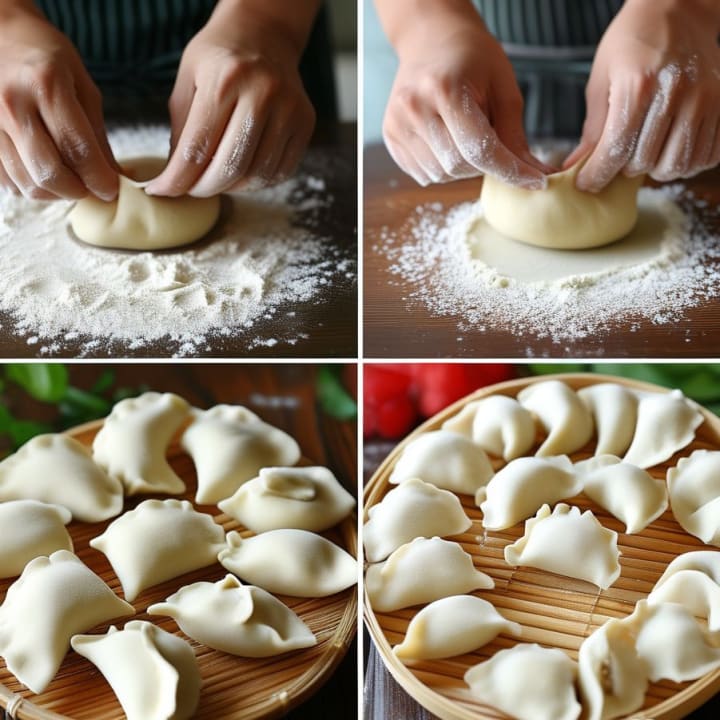
Combine flour and yeast like introducing strangers at a banquet. Add water incrementally—"90% flour, 10% water" rhythm—until the dough achieves a supple elasticity. Kneading becomes temporal therapy: workday frustrations dissolve into gluten networks.
3. Fermentation Sorcery
Timing is meteorology-dependent:
• Northern dry springs: 1.5 hours
• Southern humid summers: 40 minutes
• Transitional seasons: 1 hour
Watch for the phoenix rise—dough swelling to 1.5x size, surface webbed with hopeful cracks.
4. The Imperial "Coin Eye" Technique
Form dough balls with a thumb-sized central cavity. This ancient trick serves dual purposes: mimics ancient coins' square holes and creates a flavor chimney for aromatic escape.
5. Steaming Revelation
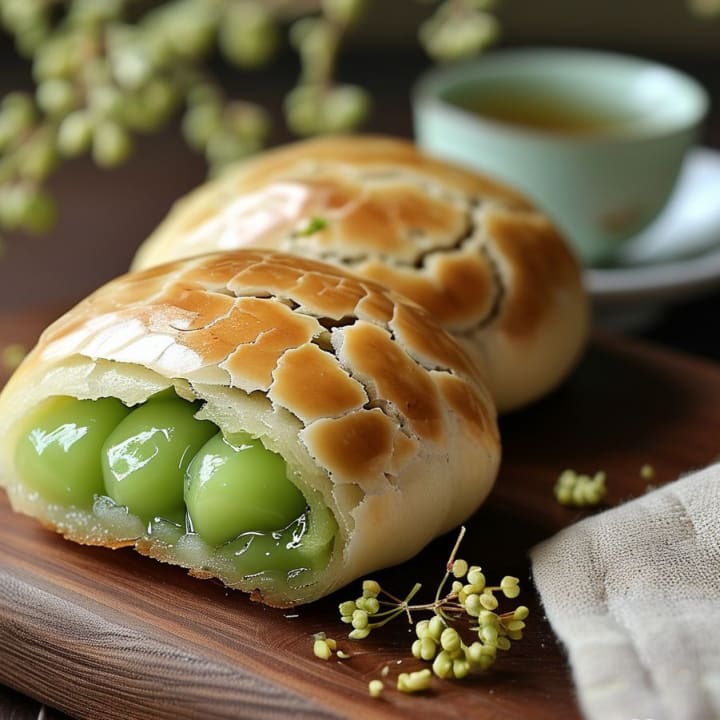
Here lies the guarded secret: lotus leaf lining. During trials, substituting parchment paper yielded blandness; banana leaves added intrusive tropical notes. Lotus leaves release a grassy sweetness that permeates the cakes tripling fragrance. My first successful batch perfumed the apartment so intensely that Mr. Liu—a decade-long elevator acquaintance—knocked asking, "What sorcery is this?!"
Temporal Flavor Bridges
Each spring, crafting these cakes becomes a ritual conversation across eras. The process connects me to:
• My grandmother's weathered hands sifting elm seeds
• Palace chefs grinding lotus seeds in vermilion kitchens
• Urban foragers today bartering for rare elm branches
In cities where elms have vanished, I've adapted using balcony-dried seeds. Rehydrated, they whisper spring's promise through winter storage. Paired with chrysanthemum tea, these cakes transform afternoon snacks into meditations—crumbling walls between past and present.
A Bite of Philosophy
Cixi's lavish version couldn't rival my grandmother's bare-bones recipe—coarse flour, wild honey, no adornments. "Eat simply, live grounded," she'd say while shaping dough. Perhaps true luxury lies not in gilded ingredients but in continuity—the hands that shape dough today echoing those from 1890.
As you attempt this recipe, consider: What nearly-lost traditions can we reanimate through our kitchens? Each yuqian bobo embodies resilience—a edible testament to persistence against cultural amnesia.
May your steamer breathe life into forgotten flavors, and may every bite honor the chain of hands that kept this tradition alive. Now, go forth and let lotus leaves work their magic!
About the Creator
I Discovered A Better Way To Cook Cabbage
I recently posted this question on Facebook: I was surprised by some of the answers, especially about cabbage. Chicken: 40% Cabbage: 30% Salmon: 20% Others: 10% (including steak, crab cakes, fish, chili dogs, chicken salad, mac and cheese, cold cuts, potatoes, and ham)
By Margaret Minnicks4 days ago in Feast
Grilled Salmon on Himalayan Pink Salt Bricks: Extraordinary Taste
That smoky piece of grilled salmon? People love how it tastes, full and hearty, yet light on the body thanks to good fats. Still, nailing the taste at home trips up plenty - too much salt shows up fast, or worse, the flesh turns stiff and parched before it's done.
By Hendra Edward3 days ago in Feast



Comments
There are no comments for this story
Be the first to respond and start the conversation.