
The tradition of Greek mezze
Greek mezze, a cornerstone of Greek culinary culture, is more than just an assortment of appetizers

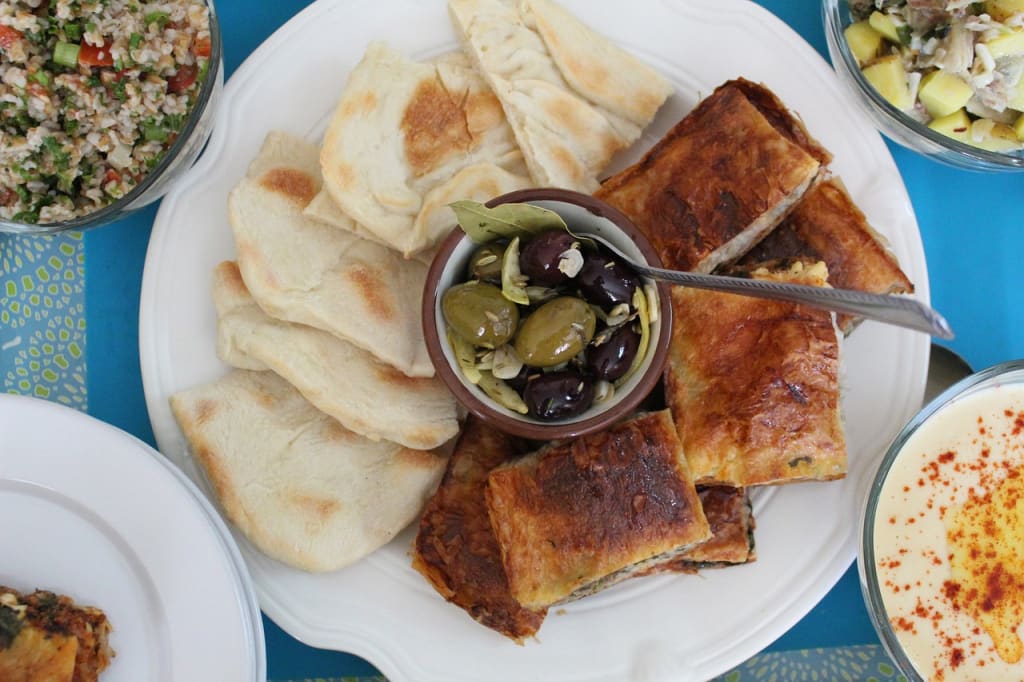
It is a way of life that emphasizes sharing, community, and the enjoyment of food. The tradition of mezze, which dates back centuries, involves serving a variety of small dishes that can be enjoyed over long, leisurely meals. This tradition reflects the Greek emphasis on hospitality and the social aspect of dining.
The word "mezze" is derived from the Turkish word "meze," which means "taste" or "snack." In Greece, mezze can be enjoyed at any time of the day and is typically accompanied by drinks such as ouzo, wine, or raki. The concept of mezze is similar to Spanish tapas or Middle Eastern meze, showcasing the Mediterranean's rich culinary heritage and the influence of different cultures on Greek cuisine.
A traditional mezze spread includes a variety of dishes that offer a range of flavors and textures. These dishes can be cold or hot, simple or elaborate. Some of the most common mezze dishes include tzatziki (yogurt and cucumber dip), melitzanosalata (eggplant dip), dolmades (stuffed grape leaves), spanakopita (spinach pie), and keftedes (meatballs). Each dish is designed to complement the others, creating a balanced and satisfying meal.
Tzatziki is a quintessential Greek mezze dish that combines creamy Greek yogurt, grated cucumber, garlic, olive oil, and fresh herbs such as dill or mint. This refreshing dip is often served with pita bread or fresh vegetables and is a perfect example of the simplicity and flavor that characterize Greek cuisine. Tzatziki's cooling properties make it an ideal accompaniment to the more robust flavors of other mezze dishes.
Dolmades, another staple of the mezze tradition, are grape leaves stuffed with a mixture of rice, herbs, and sometimes meat. These bite-sized parcels are typically served cold and drizzled with olive oil and lemon juice. Dolmades are a versatile dish that can be adapted to suit various dietary preferences, making them a favorite at any mezze table.
Spanakopita, a savory pastry filled with spinach and feta cheese, is a beloved Greek dish that often appears in mezze spreads. Made with layers of flaky phyllo dough, spanakopita is both rich and light, offering a delightful contrast in textures. This dish exemplifies the Greek mastery of combining simple ingredients to create something truly special.
Keftedes, or Greek meatballs, are typically made with ground beef or lamb, mixed with onions, garlic, herbs, and spices. These meatballs are often fried to achieve a crispy exterior while remaining tender and juicy inside. Served with a side of tzatziki or a squeeze of lemon, keftedes are a flavorful addition to any mezze spread.
The enjoyment of mezze is not limited to the food itself but also includes the experience of sharing these dishes with others. In Greek culture, meals are seen as an opportunity to connect with family and friends, and mezze provides the perfect setting for this. The tradition of sharing small plates encourages conversation and fosters a sense of community, making the meal an integral part of social life.
Accompanying drinks are an essential part of the mezze tradition. Ouzo, an anise-flavored spirit, is a popular choice, often served over ice with water, which turns the clear liquid milky white. The strong, distinctive flavor of ouzo pairs well with the bold flavors of mezze dishes. Wine and raki, a grape-based spirit, are also commonly enjoyed with mezze, each adding to the convivial atmosphere of the meal.
Mezze is not only enjoyed in homes but also plays a significant role in Greek tavernas and restaurants. These establishments often serve mezze as a way to welcome guests and set the tone for the meal. The variety and quality of the mezze offered can be a point of pride for tavernas, showcasing the chef's skill and the region's culinary traditions.
The tradition of mezze has also found its place in contemporary Greek dining. Modern interpretations of mezze can include innovative dishes that incorporate new ingredients and techniques while staying true to the spirit of sharing and variety. This evolution of mezze highlights the adaptability of Greek cuisine and its ability to blend tradition with modernity.
The tradition of Greek mezze is a rich and multifaceted aspect of Greek culture that emphasizes the importance of sharing food and enjoying the company of others. With its diverse array of dishes, from tzatziki and dolmades to spanakopita and keftedes, mezze offers a taste of the Mediterranean's culinary heritage. The combination of flavors, textures, and the social experience of dining together makes mezze a cherished tradition that continues to thrive in both traditional and modern settings. Whether enjoyed at home or in a taverna, mezze embodies the essence of Greek hospitality and the joy of communal eating.
About the Creator
Keep reading
More stories from Kenneth Ethan Carl and writers in Feast and other communities.
The story behind British afternoon tea
The origins of this beloved ritual date back to the early 19th century, a period marked by significant cultural and social shifts. Understanding the history and evolution of afternoon tea provides insight into British culture and the enduring appeal of this delightful custom.
By Kenneth Ethan Carlabout a year ago in Feast
My Tous les Jours Trip
As someone who lives in a rural area, I don't get the chance to visit fancy restaurants or bakeries that often. So, when a friend told me about a French-Asian bakery that's less than an hour away, I knew I had to check it out and grab some pictures for social media. Tous les Jours ended up providing an immersive experience that went above and beyond my expectations--although I did leave with a few reservations.
By Kaitlin Shanks22 days ago in Feast




Comments
There are no comments for this story
Be the first to respond and start the conversation.