
The story behind British afternoon tea
British afternoon tea is an iconic tradition that has been enjoyed for centuries, symbolizing refinement, leisure, and social connection

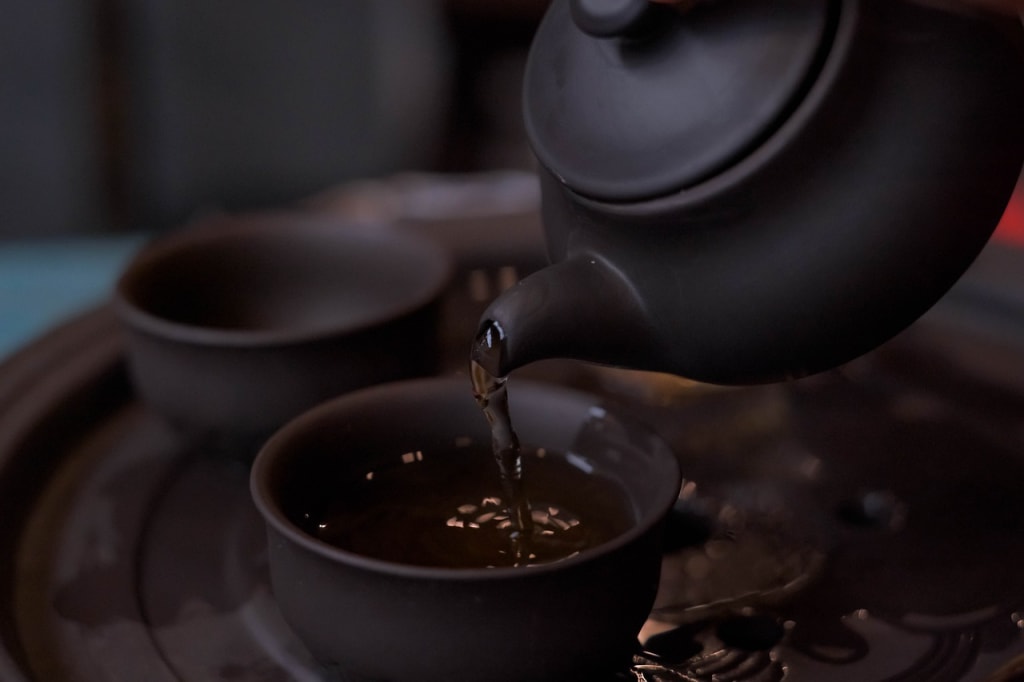
The origins of this beloved ritual date back to the early 19th century, a period marked by significant cultural and social shifts. Understanding the history and evolution of afternoon tea provides insight into British culture and the enduring appeal of this delightful custom.
The tradition of afternoon tea is credited to Anna, the Duchess of Bedford, who lived during the reign of Queen Victoria. In the early 1840s, the Duchess found herself feeling peckish in the late afternoon, a time when it was customary to eat only two main meals a day: breakfast and dinner. To stave off hunger, she began requesting a tray of tea, bread, butter, and cake to be brought to her room. This simple yet satisfying refreshment quickly became a habit and, eventually, a social event.
As the Duchess of Bedford began inviting friends to join her for afternoon tea, the practice gained popularity among the upper echelons of British society. It soon became a fashionable social gathering, offering a leisurely break in the day where ladies could catch up and enjoy a variety of light snacks. The concept of afternoon tea spread rapidly, and it wasn't long before it became a staple in British homes and tea rooms.
The classic components of a traditional afternoon tea include a selection of teas, finger sandwiches, scones with clotted cream and jam, and an assortment of cakes and pastries. Each element is carefully chosen to complement the others, creating a balanced and enjoyable experience. The ritual of afternoon tea is as much about the presentation and etiquette as it is about the food and drink, emphasizing the importance of taking time to savor each bite and sip.
Tea itself, the centerpiece of the afternoon tea ritual, has a rich history in Britain. The introduction of tea to Britain dates back to the mid-17th century when it was first brought from China by the East India Company. Initially a luxury item enjoyed by the wealthy, tea gradually became more accessible and ingrained in British culture. By the time afternoon tea became popular, tea drinking was already a well-established tradition.
Finger sandwiches, a key component of afternoon tea, are typically light and delicate, with fillings such as cucumber, smoked salmon, egg and cress, or ham and mustard. These sandwiches are cut into small, manageable pieces, often with the crusts removed, to make them easy to eat without utensils. The simplicity and elegance of finger sandwiches reflect the refined nature of afternoon tea.
Scones with clotted cream and jam are perhaps the most iconic element of afternoon tea. Scones are small, slightly sweetened baked goods that are split open and generously topped with thick clotted cream and sweet strawberry or raspberry jam. The combination of the warm, soft scone, rich cream, and fruity jam is a quintessentially British treat that embodies the comfort and indulgence of afternoon tea.
The assortment of cakes and pastries served at afternoon tea can vary widely, but they are always beautifully presented and often include classics such as Victoria sponge cake, lemon drizzle cake, and fruit tarts. These sweet treats add a festive and celebratory touch to the occasion, making afternoon tea a perfect choice for special gatherings and celebrations.
The setting and ambiance are crucial to the afternoon tea experience. Traditionally, afternoon tea is served in a drawing room or garden, with fine china, silverware, and crisp linen tablecloths. The atmosphere is one of elegance and relaxation, encouraging guests to take their time and enjoy the company as much as the food. This emphasis on leisure and socialization is a key aspect of the tradition's enduring appeal.
Afternoon tea has evolved over the years, with many variations and adaptations emerging to suit modern tastes and lifestyles. Contemporary versions of afternoon tea might include exotic teas, innovative pastries, or even savory items like mini quiches or sliders. Despite these changes, the core elements of the tradition remain intact, preserving its charm and significance.
The global popularity of afternoon tea is a testament to its universal appeal. Tea rooms and hotels around the world offer their own versions of this British tradition, allowing people everywhere to experience the elegance and enjoyment of afternoon tea. This international embrace of afternoon tea highlights its versatility and timelessness, making it a cherished ritual across cultures.
The story behind British afternoon tea is one of innovation, tradition, and social connection. From its origins with the Duchess of Bedford to its status as a global phenomenon, afternoon tea has remained a symbol of refinement and leisure. The careful selection of teas, sandwiches, scones, and pastries, combined with an emphasis on presentation and ambiance, creates an experience that is both delightful and meaningful. Whether enjoyed in a grand hotel or a cozy home, afternoon tea continues to be a cherished tradition that brings people together and celebrates the simple pleasures of life.
About the Creator
Keep reading
More stories from Kenneth Ethan Carl and writers in Feast and other communities.
The tradition of tapas in Spain
It is a cultural phenomenon that has shaped social interactions and dining experiences for centuries. The word "tapas" comes from the Spanish verb "tapar," meaning "to cover," and historically refers to the practice of placing a small plate over a drink to keep out flies. Today, tapas have evolved into a diverse and dynamic style of eating that embodies the essence of Spanish cuisine and hospitality.
By Kenneth Ethan Carlabout a year ago in Feast
My Tous les Jours Trip
As someone who lives in a rural area, I don't get the chance to visit fancy restaurants or bakeries that often. So, when a friend told me about a French-Asian bakery that's less than an hour away, I knew I had to check it out and grab some pictures for social media. Tous les Jours ended up providing an immersive experience that went above and beyond my expectations--although I did leave with a few reservations.
By Kaitlin Shanks18 days ago in Feast
United States White Mushroom Market Size and Forecast 2025–2033
United States White Mushroom Market The United States White Mushroom Market is projected to expand from US$ 13.3 billion in 2024 to US$ 22.34 billion by 2033, growing at a CAGR of 5.93% from 2025 to 2033, according to Renub Research. Rising demand for plant-based, healthful meals, growing awareness of nutritional benefits, and continuous improvements in packaging, cold-chain logistics, and distribution are reshaping the industry. White mushrooms—often called button mushrooms—are now more accessible than ever through retail stores, online grocery platforms, and foodservice channels, making them a staple of modern American diets.
By Marthan Sir4 days ago in Feast




Comments
There are no comments for this story
Be the first to respond and start the conversation.