
The Story Behind Every Spice in Your Kitchen
Tracing the origins and cultural significance of common spices that flavor our meals.

Spices are the unsung heroes of cooking. They turn simple ingredients into mouthwatering dishes, add warmth and complexity, and even carry stories from distant lands. But have you ever stopped to wonder where those familiar spices in your kitchen actually come from? Let’s take a flavorful journey tracing the origins and cultural importance of some of the most common spices that bring life to our meals.

Black Pepper: The King of Spices
Black pepper, often called the “king of spices,” originally comes from the lush forests of India’s Malabar Coast. For centuries, it was so valuable that it was used as currency and tribute to rulers. Its sharp, pungent flavor became a staple in European kitchens after ancient trade routes opened, sparking what historians call the “Spice Wars.”

Cinnamon: Sweet Bark with a Royal Past
Cinnamon is actually the inner bark of trees native to Sri Lanka and parts of Southeast Asia. Its sweet, warm aroma made it highly prized in ancient Egypt and Rome. Kings and queens treasured cinnamon not just for cooking, but for embalming and medicinal purposes.

Turmeric: The Golden Root of Asia
Known for its vibrant yellow color, turmeric has been used in Indian and Southeast Asian cooking for thousands of years. Beyond flavor, it carries cultural and spiritual significance — often used in religious ceremonies and traditional medicine. Its health benefits, especially anti-inflammatory properties, have made it a global favorite today.

Cardamom: The Queen of Spices
Cardamom pods, native to India and Indonesia, offer a complex flavor — citrusy, herbal, and slightly sweet. It’s a key ingredient in many Middle Eastern and Indian dishes, from fragrant rice to rich desserts. Cardamom’s unique taste and aroma have made it a prized spice through centuries of trade and cultural exchange.

Cloves: Tiny but Mighty
Cloves come from the flower buds of a tropical tree native to the Maluku Islands in Indonesia. Their intense, warm, and slightly sweet flavor was once so valuable it sparked exploration and colonization efforts. Cloves were used in cooking, medicine, and even dentistry as a natural anesthetic.

Saffron: The Golden Thread
Saffron, derived from the stigmas of the crocus flower, is the most expensive spice by weight. It’s prized for its delicate aroma, vibrant color, and subtle flavor. Originating from Southwest Asia, saffron has been used in Persian, Mediterranean, and South Asian cuisines for centuries, symbolizing luxury and celebration.
Final Thoughts
Spices are much more than just ingredients; they are the fragrant threads that weave together history, culture, and human connection. Each spice in your kitchen carries a story of distant lands, ancient trade routes, and the tireless human quest for flavor and variety.
These tiny seeds, barks, and pods have influenced empires, sparked exploration, and shaped the culinary identities of nations. The journeys of spices from exotic forests and islands to our daily meals remind us that food is a universal language — one that speaks of adventure, tradition, and community.
When you sprinkle black pepper on your salad or add turmeric to your curry, you’re not just seasoning food; you’re participating in a global story thousands of years in the making. Spices invite us to taste history, celebrate diversity, and connect with cultures far beyond our own kitchens.
In a world where flavors often blend and cultures merge, spices remain vibrant symbols of heritage and discovery. They remind us that every meal is an opportunity to explore, learn, and savor the richness of life itself. So, next time you reach for your spice rack, take a moment to appreciate the incredible journey those tiny treasures have made — from ancient lands to your very plate.
About the Creator
Widow invests $800,000 to start hawker culture experience centre in honour of late husband
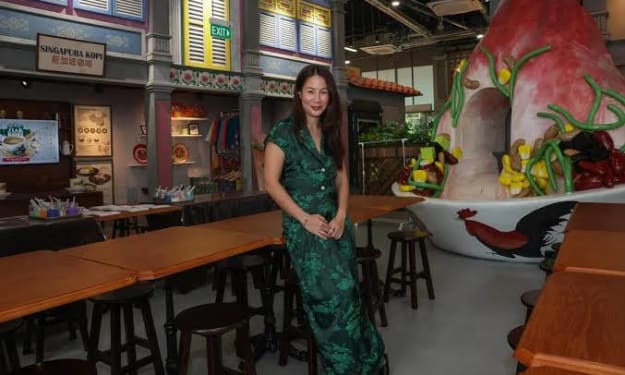
In a touching tribute to love, memory, and cultural heritage, a Singaporean widow has invested nearly $800,000 to establish a hawker culture experience centre dedicated to preserving and celebrating the vibrant food traditions that her late husband cherished throughout his life. The centre, which opened recently in Singapore, aims to provide visitors with an immersive journey into the country’s beloved hawker culture while honouring the legacy of a man who spent decades supporting local food vendors. The project was initiated by Lim Mei Hua, whose husband, Tan Wei Chong, passed away three years ago after a long illness. Tan was widely known among friends and family as a passionate supporter of traditional hawker stalls and frequently spent his weekends exploring different food centres across Singapore. According to Lim, the idea of creating a space dedicated to hawker heritage had long been one of her husband’s dreams. “He always believed that hawker culture was the heart of Singapore,” Lim said during the centre’s opening ceremony. “After he passed away, I wanted to do something meaningful that would keep his passion alive and allow future generations to understand why these traditions matter.” Singapore’s hawker culture is a cornerstone of the nation’s identity. The bustling open-air food centres, filled with vendors serving affordable and diverse dishes, reflect the multicultural roots of the country. In recognition of its cultural importance, UNESCO added Singapore’s hawker culture to its Representative List of the Intangible Cultural Heritage of Humanity in 2020. Lim’s experience centre is designed to showcase this heritage through interactive exhibits, live cooking demonstrations, and storytelling sessions led by veteran hawkers. Visitors can learn about the origins of iconic dishes such as Hainanese chicken rice, Laksa, and Char kway teow, while also exploring the personal journeys of the hawkers who prepare them. The centre includes a small exhibition gallery featuring photographs, kitchen tools, and handwritten recipes collected from hawker families across the city. Many of these items date back decades, offering a glimpse into how culinary traditions have been passed down through generations. One section of the centre recreates a traditional hawker stall environment, allowing visitors to experience what it feels like to work behind the counter during a busy lunch rush. Young participants can try their hand at simple cooking techniques while learning about the discipline and dedication required to master hawker cuisine. Local hawkers have warmly welcomed the initiative. Many worry that younger generations may be less interested in taking over family stalls, which often involve long hours and physically demanding work. By highlighting the cultural significance of these businesses, Lim hopes the centre will inspire renewed appreciation among the public. “Hawker food is not just about eating,” said veteran vendor Ong Kee, who participated in one of the centre’s demonstration sessions. “It’s about history, family, and community. Places like this help remind people why our traditions should continue.” Beyond cultural preservation, the experience centre also aims to support hawkers economically. A portion of ticket sales will be directed toward training programs for aspiring food vendors, helping them learn both traditional recipes and modern business skills. Lim believes this approach can help sustain the industry while adapting to changing times. Tourism officials in Singapore have also expressed optimism about the centre’s potential to attract international visitors interested in culinary experiences. Food tourism has become an increasingly important part of the country’s travel industry, with visitors eager to explore authentic local cuisine. For Lim, however, the centre’s true purpose goes far beyond tourism or business success. Every corner of the space reflects memories of her husband—his favorite dishes, the stalls he frequently visited, and the stories he loved to share. “Whenever I see people enjoying the exhibits or learning about hawker culture, I feel like his spirit is still here,” she said quietly. “This place is not just about the past. It’s about keeping something precious alive.” Through her remarkable gesture, Lim has transformed personal grief into a lasting tribute that celebrates love, heritage, and the enduring power of food to bring communities together. Her $800,000 investment ensures that the spirit of Singapore’s hawker culture—and the memory of the man who cherished it—will continue inspiring generations to come.
By Fiaz Ahmed 2 days ago in Feast



Comments
There are no comments for this story
Be the first to respond and start the conversation.