
The Start of Autumn is Approaching: Veteran Vegetable Grower Warns Against These 6 Overpriced and Unappetizing Vegetables That Many Still Frequently Buy!
The Start of Autumn is Approaching: Veteran Vegetable Grower Warns Against These 6 Overpriced and Unappetizing Vegetables That Many Still Frequently Buy!
#Top Creator Incentive Program#
The Start of Autumn falls on August 7th this year. Despite the name of the solar term hinting at cooler days, the sweltering heat still clings like a suffocating lid over the bustling marketplace. Piles of fruits and vegetables tower like small hills, while the mingled scents of sweat and damp earth rise in the thick, humid air.
As I stood hesitating over what to buy, Old Man Li, the seasoned vegetable vendor at the next stall, wiped his sweaty face with a damp towel. Noticing my indecision, he leaned in and whispered, "Listen, young man, there’s an art to buying vegetables around the Start of Autumn. Avoid these six—they’re expensive, taste terrible, and yet people keep stuffing them into their baskets!"
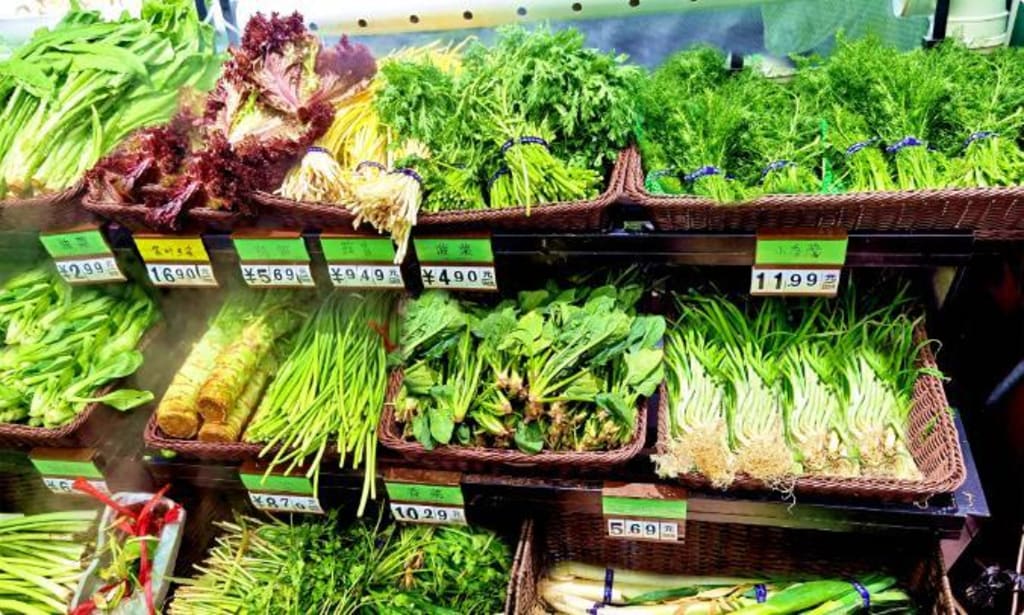
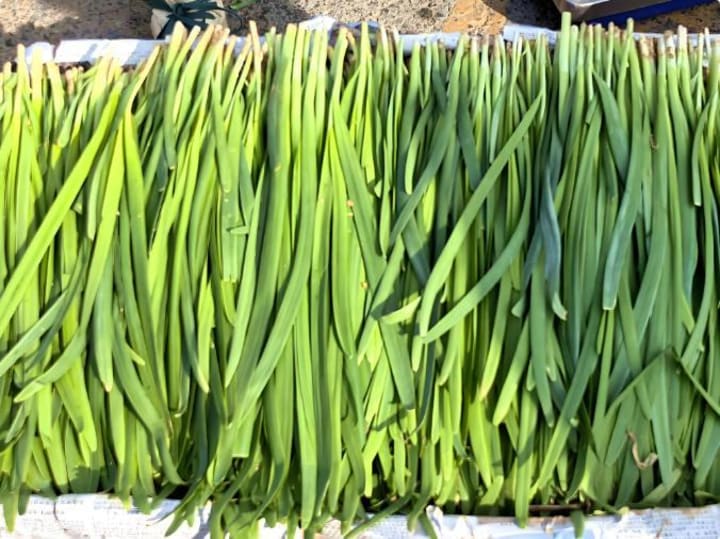
1. Chinese Chives (韭菜): From Tender Delicacy to "Straw Rope"
Early spring’s first harvest of chives is tender enough to pinch out water! But after the Start of Autumn, they age rapidly—wide leaves, thick stems, and a texture like chewing on tough straw ropes, not to mention how easily they get stuck between teeth. Worse still, they lose moisture quickly, wilting within two days and often rotting from the roots, emitting an unpleasant odor. If you’re craving that fresh chive fragrance? Better wait a little longer.
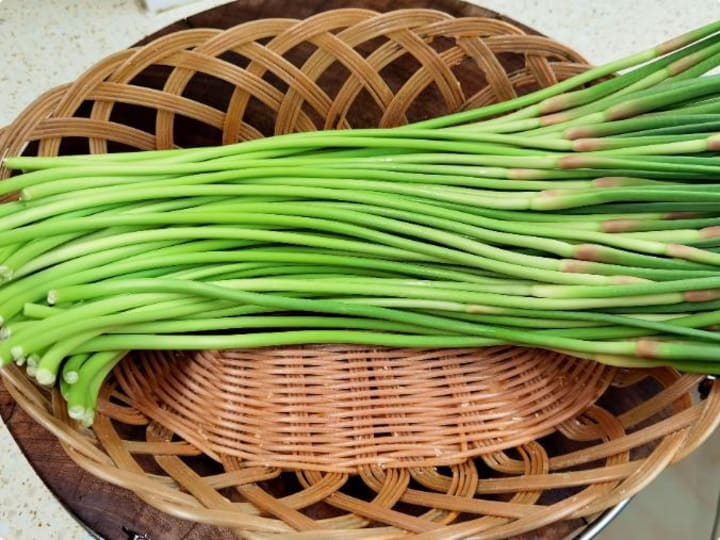
2. Garlic Scapes (蒜苔): Tough, Overpriced, and Bland
Garlic scapes are a spring and summer delicacy, crisp and flavorful. But those sold after the Start of Autumn are usually late harvests or cold-storage leftovers. Their fibers turn coarse and rubbery, like chewing on stubborn elastic bands, and their once-pungent aroma fades into a dull, flat taste. What’s even more frustrating is their inflated price—why pay top dollar for a handful of unchewable "old tendons"?
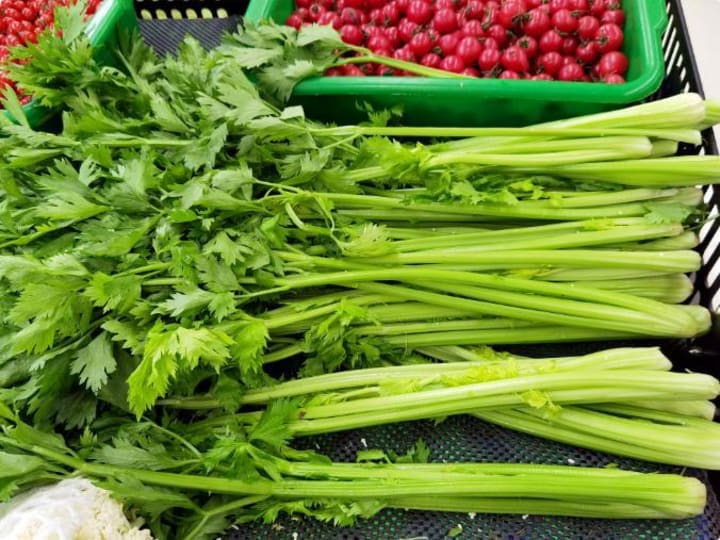
3. Celery (芹菜): All Looks, No Flavor
Late summer and early autumn celery may look robust and crisp, but the moment you bite in, the thick fibers betray its true nature—chewy, stringy, and often stuck in your teeth. Its fragrance is faint at best, overshadowed by a lingering bitterness. Like an empty shell of its former self, it offers nothing but a rough mouthfeel. If you want that signature celery aroma? Wait until the weather truly cools down.
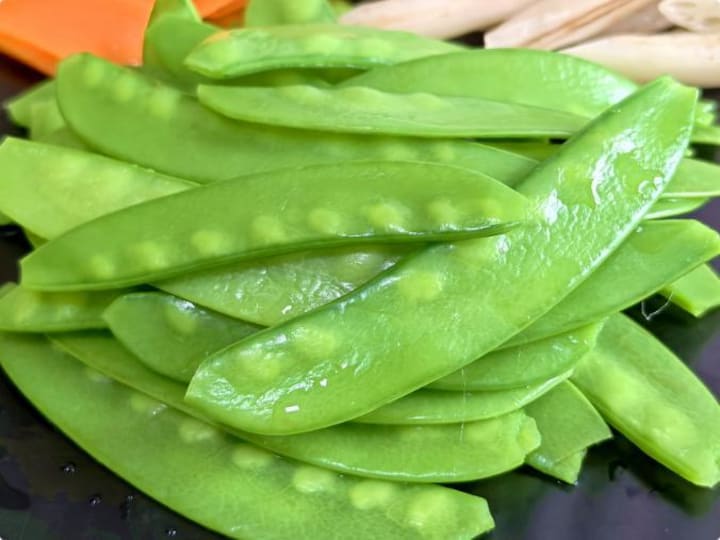
4. Snow Peas (荷兰豆): Tough as Nets, Tiny Peas
Snow peas have a fleeting prime season. After the Start of Autumn, their pods toughen rapidly, their fibrous strings becoming as stubborn as woven nets that refuse to peel clean. The peas inside shrink into dry, flavorless specks, losing their plump sweetness. Stir-fried, they’re neither crisp nor tender, just disappointingly chewy. Yet their prices remain unjustifiably high—why waste money on such a lackluster bite?
5. Lettuce Stems (莴笋): The Bitter, Hollow Trap
Lettuce stems in late summer are prone to hollowing. They may look plump and fresh, but one cut reveals a gaping void inside! Without enough moisture and nutrients, their texture turns limp and dull, far from their usual crispness. The intensified bitterness makes them unpalatable whether raw or cooked. Paying premium prices for a "hollow radish" is a surefire way to disappointment.
6. Napa Cabbage (大白菜): Patience for Sweetness
Napa cabbage is the undisputed star of autumn and winter meals—but buying it right after the Start of Autumn is too soon! Without the touch of frost, its leaves remain thin, its stems tough, and its flavor bland and astringent, lacking the post-frost sweetness and tenderness. Stir-fried, it turns watery; stewed, it stays stubbornly firm. The true "king of winter greens" only shines after the north wind’s kiss.
The Old Grower’s Shopping Tips:
• Follow Nature’s Clock: Vegetables are poems written by sunlight, rain, and time. Respect the seasons to taste their true essence.
• Inspect Closely: Feel for firmness, check for freshness at the cut ends, and don’t be fooled by glossy appearances.
• Early Bird Wins: Dawn markets offer the freshest picks—vegetables still glistening with morning dew carry nature’s sweetest gifts.
(Continued for length...)
Additional Insights on Seasonal Eating:
Eating with the seasons isn’t just about flavor—it’s about nutrition, sustainability, and respecting the natural growth cycles of produce. Many vegetables develop their best texture and taste under specific weather conditions. For instance, frost triggers sugar accumulation in leafy greens like Napa cabbage, while cooler temperatures slow down fiber formation in stems and leaves.
Why Do People Still Buy These Vegetables?
Habit, lack of awareness, or limited availability often drive consumers to purchase off-season produce. Supermarkets, with their global supply chains, make these items accessible year-round, but at the cost of taste and texture. Farmers' markets and local growers, however, prioritize seasonal freshness, offering superior alternatives.
What to Buy Instead?
• Root Vegetables: Carrots, radishes, and sweet potatoes begin their peak season, offering earthy sweetness and hearty textures.
• Winter Squashes: Butternut, acorn, and kabocha squash arrive with rich, nutty flavors perfect for roasting.
• Leafy Greens: Spinach, kale, and mustard greens thrive in cooler weather, becoming sweeter and more tender.
Final Thought:
As the old saying goes, "The earth knows best." Trusting seasonal rhythms ensures meals that delight the palate and nourish the body. Next time you shop, let nature’s calendar guide your choices—your taste buds (and wallet) will thank you!
About the Creator
My Tous les Jours Trip
As someone who lives in a rural area, I don't get the chance to visit fancy restaurants or bakeries that often. So, when a friend told me about a French-Asian bakery that's less than an hour away, I knew I had to check it out and grab some pictures for social media. Tous les Jours ended up providing an immersive experience that went above and beyond my expectations--although I did leave with a few reservations.
By Kaitlin Shanks24 days ago in Feast
Searching for the Best Pizza in Doha: A Matter of Taste, Time, and Place
The idea of the “best pizza in Doha” is more complicated than it first appears. Doha is a city of contrasts—glass towers rising from the desert, quiet neighborhoods tucked behind busy roads, and people from every corner of the world bringing their own memories of what food should taste like. Pizza, a dish born far from Qatar, has found a surprising and comfortable home here. But defining the best version of it is less about rankings and more about moments.
By Harley Morrisabout 18 hours ago in Feast




Comments
There are no comments for this story
Be the first to respond and start the conversation.