
The Significance of the French Baguette
The French baguette is more than just a staple of French cuisine

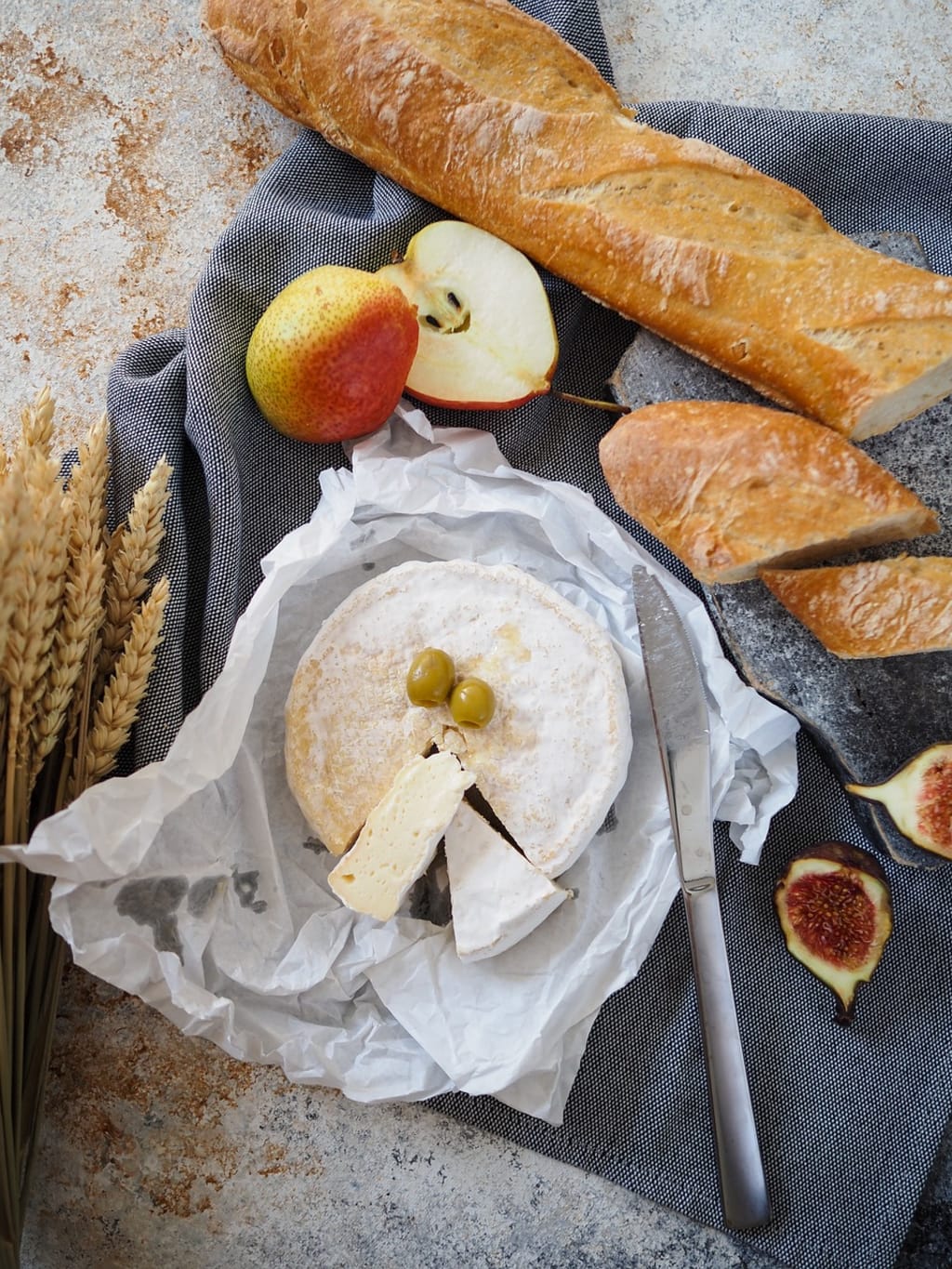
It is a symbol of France's rich cultural heritage and culinary expertise. Its origins date back to the 19th century, and since then, it has become an iconic representation of French baking. Known for its crisp crust and soft, airy interior, the baguette is a versatile bread that is enjoyed daily by millions. Understanding its significance involves exploring its history, its role in French society, and the craftsmanship involved in its creation.
The history of the French baguette is intertwined with the evolution of French baking techniques and regulations. The baguette, as we know it today, became popular in the early 20th century, following the introduction of steam ovens, which allowed bakers to create bread with a crisp crust and a light, airy crumb. The shape of the baguette was influenced by laws that limited the working hours of bakers, necessitating a bread that could be made quickly and efficiently. This history reflects the adaptability and innovation of French bakers in response to changing societal needs and technological advancements.
In French society, the baguette holds a place of daily importance. It is not just a food item but a part of the daily routine. Many French people visit their local boulangerie each morning to buy a fresh baguette, which is often enjoyed with meals throughout the day. This daily ritual underscores the importance of freshness and quality in French bread. The baguette is also a symbol of community, as local bakeries serve as gathering points where people connect with their neighbors and support local businesses.
The craftsmanship involved in making a French baguette is an art form that has been perfected over centuries. A true baguette is made from just four ingredients: flour, water, salt, and yeast. Despite its simplicity, the process requires skill and precision. The dough must be mixed, fermented, shaped, and baked with care to achieve the perfect texture and flavor. The traditional method of hand-kneading and slow fermentation allows for the development of complex flavors and a chewy yet tender crumb. This meticulous process highlights the dedication and expertise of French bakers.
One of the key characteristics of a French baguette is its distinctive crust. The crust should be thin and golden, with a slight crunch that contrasts with the soft interior. Achieving this requires careful control of the baking environment, particularly the use of steam in the oven, which creates the characteristic blistered surface. The balance between crust and crumb is essential to the baguette's appeal, providing both texture and flavor in each bite.
The French baguette also holds cultural and symbolic significance. It is often associated with the image of the French lifestyle, evoking scenes of leisurely breakfasts with coffee and fresh bread, or picturesque picnics in the countryside. The baguette represents simplicity, quality, and a connection to tradition. It is a symbol of French culinary pride and a testament to the value placed on artisanal food production.
Beyond its cultural symbolism, the baguette plays a practical role in French cuisine. It is a versatile bread that pairs well with a variety of foods, from cheese and charcuterie to soups and salads. Its neutral flavor and light texture make it an ideal accompaniment to rich and flavorful dishes. The baguette can be enjoyed in many forms, whether simply buttered, used to make sandwiches, or dipped in sauces.
The significance of the French baguette extends to its recognition and protection as part of French heritage. In 1993, the French government established the "Décret Pain," which defined the traditional baguette de tradition as a product that must be made without additives and must adhere to specific baking methods. This decree aims to preserve the authenticity and quality of the baguette, ensuring that it remains a genuine representation of French baking.
The global influence of the French baguette is undeniable. It has become a beloved bread worldwide, inspiring bakers and bread enthusiasts to recreate its unique qualities. The baguette's popularity abroad highlights its universal appeal and the global appreciation for French culinary traditions. It serves as an ambassador of French culture, bringing a taste of France to kitchens and tables around the world.
The French baguette is a symbol of France's rich culinary heritage and cultural identity. Its history, daily significance, craftsmanship, and global influence underscore its importance beyond mere sustenance. The baguette embodies the values of quality, tradition, and community, making it a timeless and cherished part of French life. As we savor a bite of this iconic bread, we are not only enjoying its delicious flavor but also partaking in a tradition that connects us to the heart of French culture.
About the Creator
Keep reading
More stories from Kenneth Ethan Carl and writers in Feast and other communities.
The art of making Swiss fondue
Originating in the Swiss Alps, fondue is a simple yet sophisticated dish that brings people together around a pot of melted cheese. The basic concept involves dipping pieces of bread into a communal pot of melted cheese, creating a shared culinary experience that is both interactive and enjoyable. Understanding the art of making Swiss fondue involves appreciating the traditional ingredients, the precise techniques, and the cultural significance of this beloved dish.
By Kenneth Ethan Carl2 years ago in Feast
I Discovered A Better Way To Cook Cabbage
I recently posted this question on Facebook: I was surprised by some of the answers, especially about cabbage. Chicken: 40% Cabbage: 30% Salmon: 20% Others: 10% (including steak, crab cakes, fish, chili dogs, chicken salad, mac and cheese, cold cuts, potatoes, and ham)
By Margaret Minnicks4 days ago in Feast
Grilled Salmon on Himalayan Pink Salt Bricks: Extraordinary Taste
That smoky piece of grilled salmon? People love how it tastes, full and hearty, yet light on the body thanks to good fats. Still, nailing the taste at home trips up plenty - too much salt shows up fast, or worse, the flesh turns stiff and parched before it's done.
By Hendra Edward3 days ago in Feast
Why Didn't Anyone Tell Us
Men, move along. This is not for you. This is for the women. I was forty-five when I began menopause. It is pretty young for that to be going on in a woman’s life, but I had undiagnosed PCOS, my entire life. Thank you to all the gynecologists I had seen my entire life. That in itself should encourage women to keep seeking second opinions, especially when you are not getting correct answers or any at all.
By Alexandra Grant6 days ago in Humans




Comments
There are no comments for this story
Be the first to respond and start the conversation.