
The art of making Swiss fondue
Swiss fondue is a quintessential dish that encapsulates the warmth and communal spirit of Swiss cuisine.

Originating in the Swiss Alps, fondue is a simple yet sophisticated dish that brings people together around a pot of melted cheese. The basic concept involves dipping pieces of bread into a communal pot of melted cheese, creating a shared culinary experience that is both interactive and enjoyable. Understanding the art of making Swiss fondue involves appreciating the traditional ingredients, the precise techniques, and the cultural significance of this beloved dish.
The primary ingredient in Swiss fondue is, of course, the cheese. Traditionally, a blend of Swiss cheeses such as Gruyère and Emmental is used, providing a rich, creamy base with a complex flavor profile. These cheeses are chosen for their excellent melting properties and their ability to combine harmoniously. The choice of cheese can vary by region, with some areas favoring other local varieties like Vacherin Fribourgeois. The quality of the cheese is paramount, as it directly influences the texture and taste of the fondue.
In addition to cheese, a few other key ingredients are essential for a successful fondue. White wine is typically added to the cheese to create a smooth, velvety texture and to enhance the flavors. The acidity in the wine helps to prevent the cheese from becoming too stringy or clumping together. A small amount of garlic is often rubbed inside the pot before the cheese is added, imparting a subtle yet distinct flavor. Finally, a touch of kirsch (cherry brandy) is sometimes stirred into the fondue, adding depth and a hint of sweetness.
The technique of making fondue is as important as the ingredients. The cheese is grated and tossed with a small amount of cornstarch, which helps to stabilize the mixture and ensure a smooth consistency. The cheese and wine are then slowly melted together over low heat, with constant stirring to prevent burning and ensure even melting. Achieving the perfect consistency is a delicate balance, requiring patience and attention. The goal is a thick, smooth, and creamy fondue that clings well to the bread.
Serving fondue is a ritual in itself, reflecting the communal nature of the dish. Traditionally, the fondue pot, known as a caquelon, is placed on a portable stove or burner to keep the cheese warm and melted. Each person uses a long fork to dip pieces of bread into the cheese, ensuring that each bite is perfectly coated. The bread used is typically a crusty, dense variety that can hold up to the cheese without falling apart. Other dippable items can include boiled potatoes, vegetables, or even fruits, adding variety to the experience.
Fondue is more than just a dish; it is a cultural experience deeply rooted in Swiss traditions. It is often enjoyed during the colder months, providing warmth and comfort. The act of sharing a pot of fondue fosters a sense of community and connection, making it a popular choice for family gatherings and social occasions. The phrase “fondue moitié-moitié,” meaning half-and-half, reflects the traditional blend of cheeses and symbolizes the coming together of people.
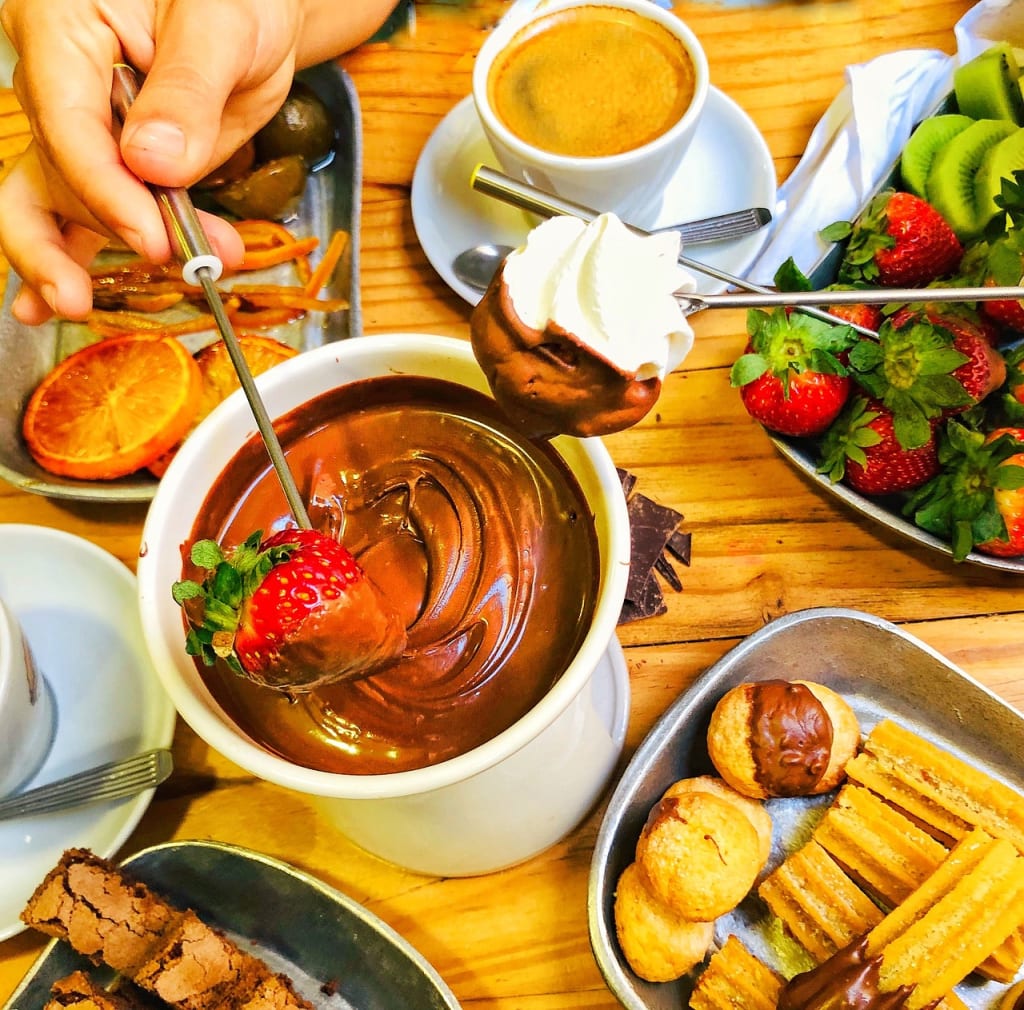
The popularity of fondue has spread beyond Switzerland, becoming a beloved dish worldwide. Modern variations include different types of cheese, broths, and even chocolate for dessert fondue. Despite these innovations, the traditional Swiss cheese fondue remains a classic, celebrated for its simplicity and depth of flavor. For those looking to experience authentic Swiss cuisine, making fondue at home is a delightful and rewarding endeavor.
The art of making Swiss fondue lies in the careful selection of high-quality ingredients, the mastery of melting techniques, and the appreciation of its cultural significance. This dish, with its rich history and communal appeal, offers a unique culinary experience that brings people together. Whether enjoyed in the heart of the Swiss Alps or in the comfort of your own home, Swiss fondue is a testament to the enduring power of shared meals and the joy of simple, well-prepared food.
About the Creator
Keep reading
More stories from Kenneth Ethan Carl and writers in Feast and other communities.
My Tous les Jours Trip
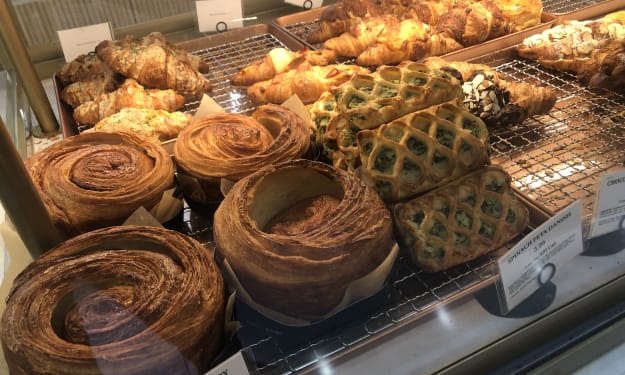
As someone who lives in a rural area, I don't get the chance to visit fancy restaurants or bakeries that often. So, when a friend told me about a French-Asian bakery that's less than an hour away, I knew I had to check it out and grab some pictures for social media. Tous les Jours ended up providing an immersive experience that went above and beyond my expectations--although I did leave with a few reservations.
By Kaitlin Shanks22 days ago in Feast
Vegan Food Market Trends & Summary (2025–2033)
Introduction The global shift toward healthier, more ethical, and environmentally responsible consumption has transformed vegan food from a niche lifestyle choice into a fast-growing mainstream market. According to Renub Research, the Vegan Food Market was valued at USD 20.06 billion in 2024 and is projected to reach USD 46.09 billion by 2033, expanding at a robust CAGR of 9.68% during 2025–2033. This impressive trajectory reflects not only changing consumer values but also rapid innovation across food technology, retail, and distribution.
By jaiklin Fanandish3 days ago in Feast



Comments
There are no comments for this story
Be the first to respond and start the conversation.