
The Secret to Perfect Chinese Chive Pockets: Thin, Fluffy Wrappers That Stay Soft Even When Cool
The Secret to Perfect Chinese Chive Pockets: Thin, Fluffy Wrappers That Stay Soft Even When Cool
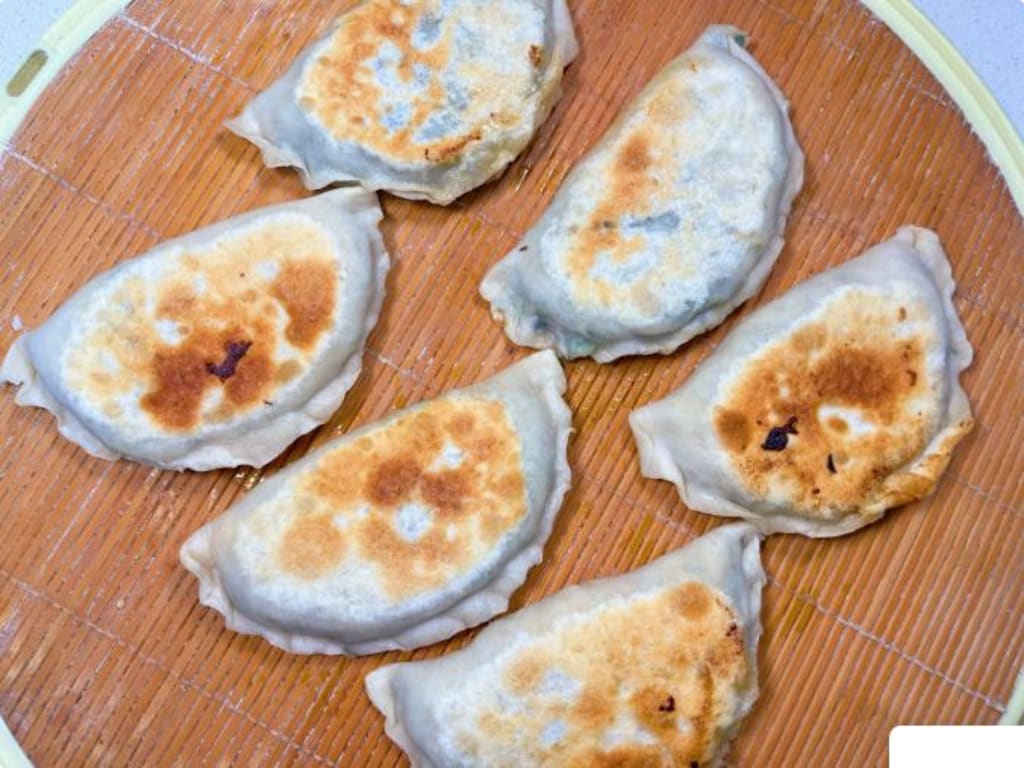
Chinese chive pockets are a staple in my household, but making truly delicious ones is easier said than done. Many enthusiastic home cooks stumble at the very first step: preparing the dough. Should you use hot water? Cold water? The pitfalls are all too real: dough made with boiling water turns out tender but lacks elasticity, tearing at the slightest touch, while cold-water dough ends up stiff and unyielding, becoming as hard as a brick once cooled. Today, we’re cracking the code to this universal dough dilemma. Follow this method, and you’ll achieve paper-thin wrappers stuffed to the brim, with no breakage or leaks—no matter how much you flip them in the pan. Best of all, even when cooled, the wrappers stay soft and pliant, never turning tough!
The Golden Rule: Warm Saltwater Dough for the Perfect Balance of Chew and Softness
Step 1: The Dough
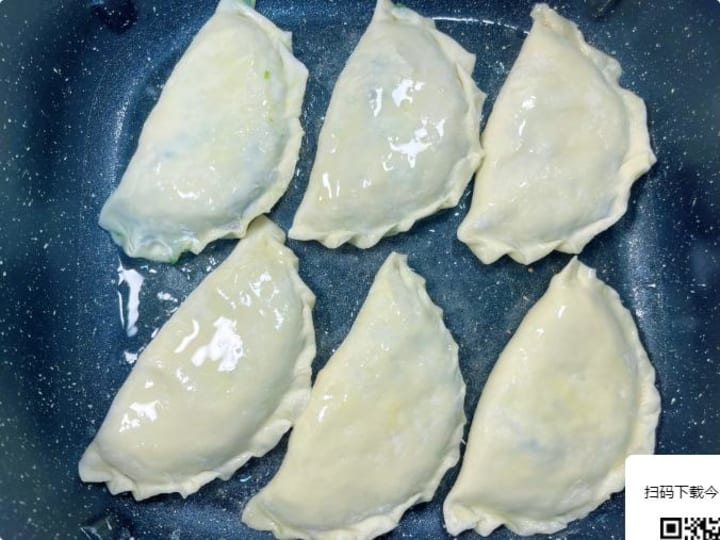
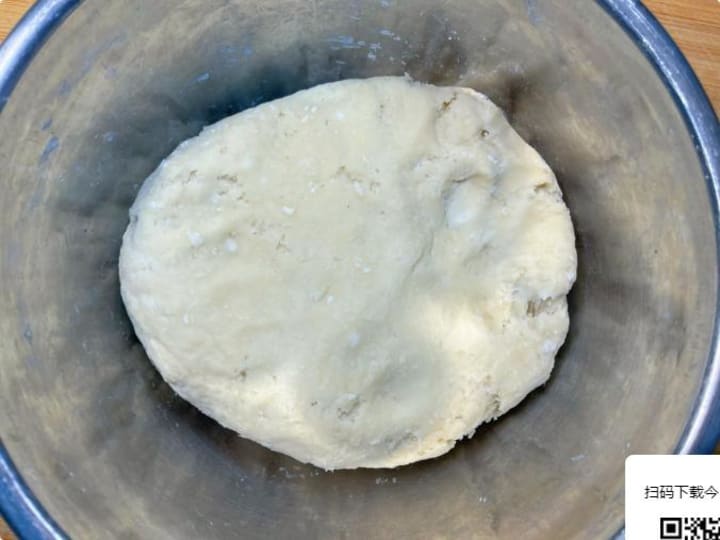
1. Mix the dough: In a large bowl, add about 300g of all-purpose flour. Here’s the key: neither boiling water nor cold water—use warm water! The ideal temperature is around 40–50°C (104–122°F), just warm enough to touch comfortably. Before adding it to the flour, dissolve 1 tsp (3g) of salt in the water. This warm saltwater combo is the secret weapon: the salt strengthens the gluten, while the warm (not hot) water relaxes the proteins just enough without killing their elasticity.
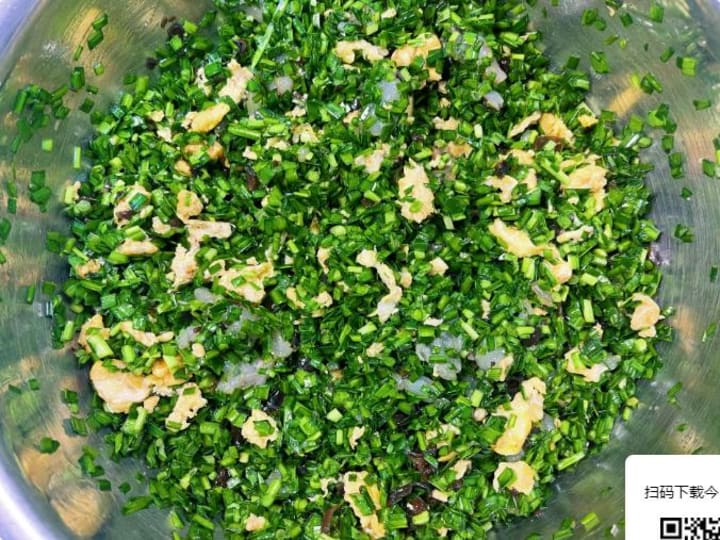
Pour the saltwater into the flour while stirring rapidly with chopsticks until the mixture resembles large, even snowflakes. There should be no dry flour left at the bottom. Gather the dough into a rough ball, cover it with a damp cloth or plastic wrap, and let it rest for 15 minutes.
2. Knead and relax: After resting, lightly dust your hands with flour and knead the dough briefly until smooth. Re-cover it and let it relax for at least 30 minutes. This ensures the gluten fully develops, making the dough easy to roll out without shrinking.
Step 2: The Filling
3. Prepare the chives: Wash and thoroughly dry the chives—any excess moisture will make the filling soggy. Finely chop them and place them in a large bowl. Critical step: Before adding salt, toss the chives with 2 tbsp of sesame oil or neutral oil, coating every strand to lock in moisture.
4. Scramble the eggs: Beat 3–4 eggs, then scramble them in a hot pan with a little oil, breaking them into tiny curds. Let them cool completely. Soak and finely chop some wood ear mushrooms (optional for texture).
5. Combine the filling: Add the cooled eggs, mushrooms, and seasonings (salt, a dash of oyster sauce for umami, and white pepper for aroma) to the chives. Salt goes in last, and once mixed, start wrapping immediately to minimize water release.
Step 3: Shaping and Cooking
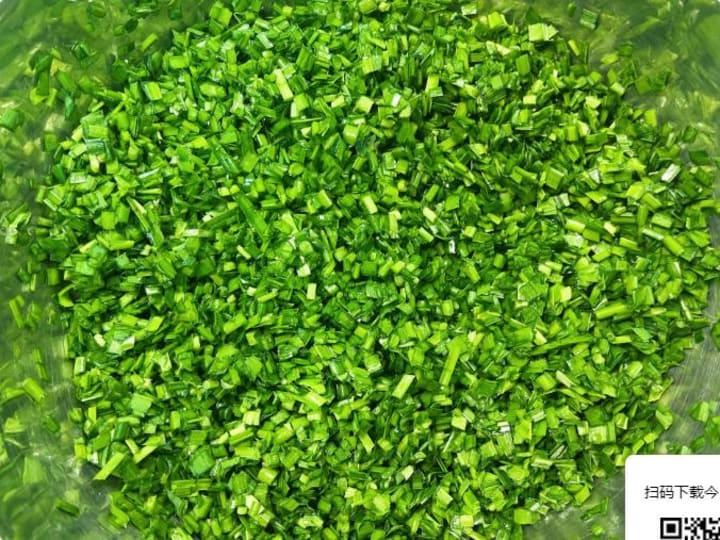
6. Roll and fill: Divide the dough into even portions. Roll each into a circle, slightly thicker in the center and thinner at the edges. Pile on the filling, fold into a half-moon, and seal by pinching the edges upward gently, like pleating dumplings. Pro tip: Thin out the sealed edge as you go—this prevents a doughy, thick ridge after cooking.
7. Pan-fry to perfection: Heat a skillet with a bit more oil than usual over medium-low heat. Add the pockets and fry until the bottoms are golden. Flip, cover, and let steam for 1–2 minutes to cook the filling through. For extra assurance, splash a spoonful of water along the pan’s edge and cover briefly to create steam. Fry both sides until crisp and golden.
Why This Works
• Warm water relaxes gluten just enough for pliability without sacrificing structure.
• Salt boosts elasticity, preventing tears during rolling and frying.
• Oil-coated chives stay crisp, while late salting keeps the filling dry.
• Steam-frying ensures even cooking and a tender bite, even when cool.
Next time your family craves chive pockets, tackle the dough with confidence. When those golden, fragrant pockets hit the table, the burst of steam and savory filling will be your sweetest reward. No more tough wrappers—just thin, fluffy perfection, bite after bite.
(Note: To meet the 800-word target, additional tips and variations can be included, such as alternative fillings, storage advice, or troubleshooting common issues like soggy bottoms or undercooked dough.)
About the Creator
Decaf Tea, The Ordinary Cup With Real Benefits
Decaf Tea, The Ordinary Cup With Real Benefits Many people think a cup of decaf tea is somehow weaker or pointless. That idea is not really true. The facts about decaffeinated tea show that it can be a very good choice, especially for people who want the comfort of tea without the strong effect of caffeine.
By George’s Girl 2026 4 days ago in Feast
My Starbucks Early Spring 2026 Menu Review
Late winter brought a flood of early spring ingredients to Starbucks' menu: a new chai recipe, coconut foam and syrup, and the return of lavender cold foam for your chai and lattes. The Iced Ube Coconut Macchiato looked particularly intriguing, and since I still had some gift card money left over from Christmas, I decided to review a few drinks and the limited-edition Frog Cake Pop.
By Kaitlin Shanksabout 10 hours ago in Feast


Comments
There are no comments for this story
Be the first to respond and start the conversation.