
The Season for Sun-Dried Green Beans Is Here: Buy 30 Pounds at Once, Simple and Delicious Method, Stays Good for a Year Without Spoiling
The Season for Sun-Dried Green Beans Is Here: Buy 30 Pounds at Once, Simple and Delicious Method, Stays Good for a Year Without Spoiling
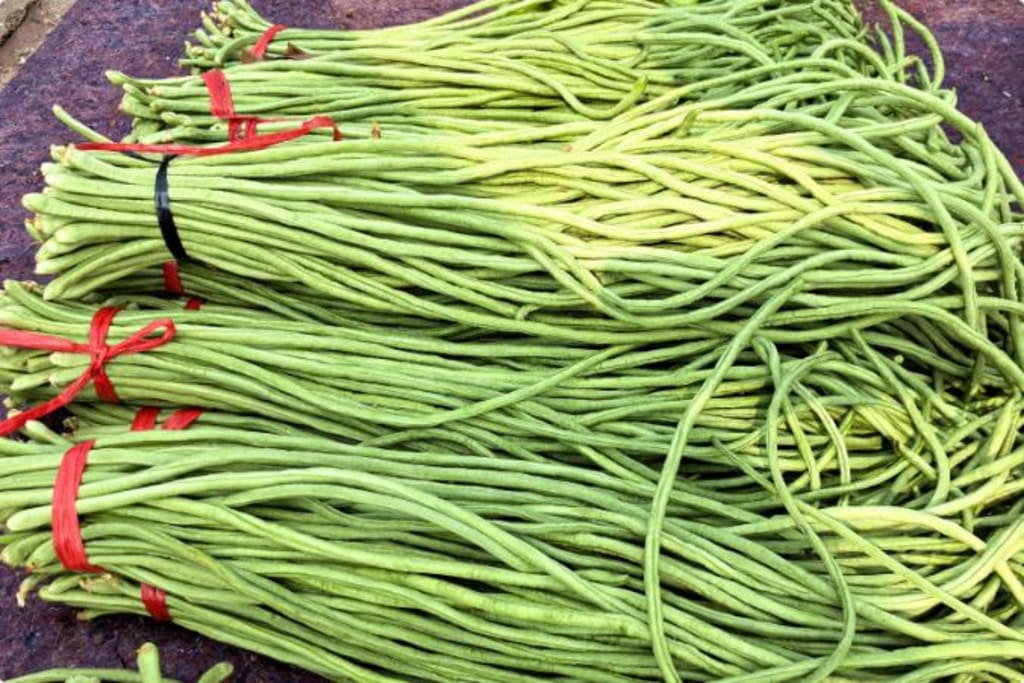
The scorching summer heat brings an abundance of green beans to the market. Just look at the prices—they’re dirt cheap! Plump and vibrant, each pod seems to burst with fresh juice. This season’s beans are packed with nutrients and tender in texture, making it the perfect time to buy dozens of pounds and turn them into sun-dried green beans, one of the smartest ways to preserve summer’s bounty. What you’re really storing isn’t just food—it’s the concentrated essence of summer sunshine, ready to infuse winter meals with deep, savory warmth.
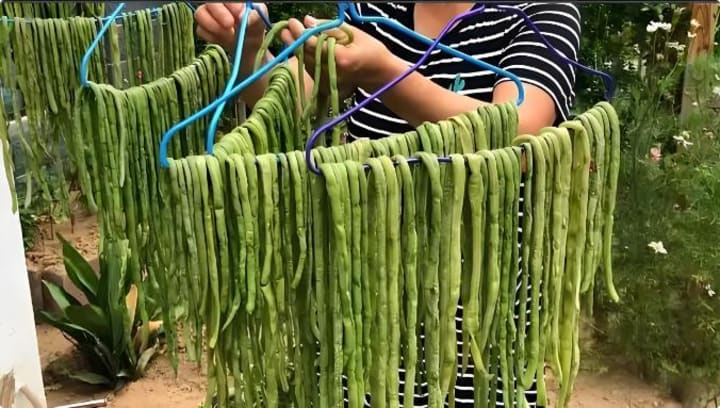
Drying green beans isn’t rocket science, but to achieve golden, chewy, and long-lasting results, there are a few key tricks to master.
Choosing the Beans: Don’t go for the thick, bulky ones—opt for slender, uniform varieties like yardlong beans or string beans instead! The pods should feel firm and full, with young, undeveloped seeds inside. These will yield the most tender and flavorful dried beans.
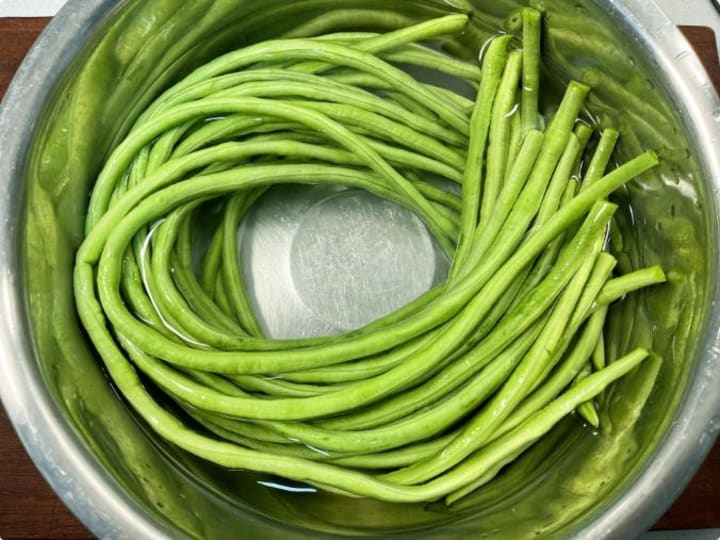
Washing the Beans: Rinse them thoroughly under running water to remove any dirt or grit. Pay special attention to the ends and the creases, where debris tends to hide. Use your fingers to gently rub them clean. Once washed, drain them well—excess moisture is the enemy of good drying.
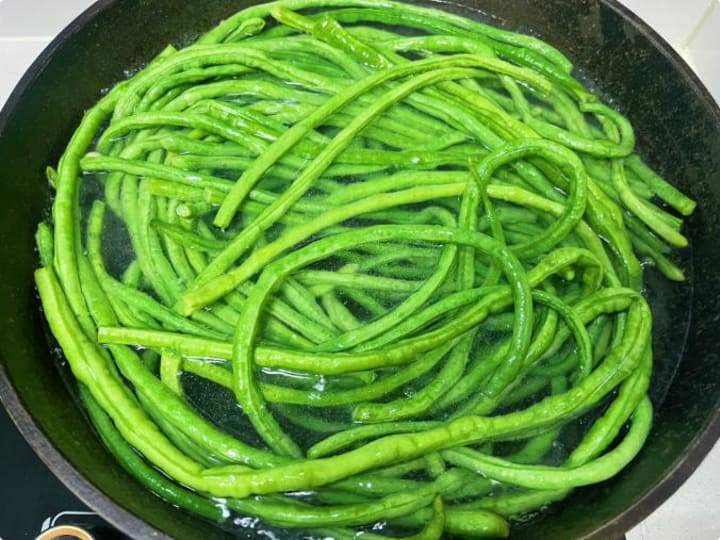
Prepping the Beans: Bring a large pot of water to a rolling boil, then add a teaspoon of salt and a few drops of cooking oil. The salt helps preserve the color, while the oil prevents the beans from sticking together later. Blanch the beans in batches, keeping a close eye on the timing: as soon as their vibrant green deepens and they soften slightly (about 1–2 minutes), pull them out immediately! Overcooking will turn them mushy. Quickly transfer them to a bowl of ice water to “shock” them—this locks in their color and texture.

Drying the Beans: Now, how to hang them? Get creative with tools like thin twine, sturdy cotton thread, or even cleaned-out old clothes hangers. Treat the beans like precious silk, arranging them individually or in small bunches with plenty of space for airflow. The drying environment is make-or-break: you must choose a spot with relentless sunlight and excellent ventilation, like an outdoor rack or a rooftop. Avoid drying them indoors—trapped humidity almost guarantees mold! The fierce summer sun and hot winds are your best allies. Typically, 3–4 full days of drying will do the trick. The beans are ready when they’re completely dehydrated, stiff to the touch, and a rich golden-brown color, snapping easily when bent. Remember to flip them occasionally for even sun exposure.
Storing the Dried Beans: Let the beans cool completely before storing. Moisture is the enemy here! Use thick, airtight plastic bags, glass jars, or vacuum-sealed bags, and keep them in a cool, dry spot. Properly stored, they’ll last a year without issue. After each use, reseal the container tightly to keep humidity at bay.
Now, for the pièce de résistance: the most classic and soul-satisfying way to enjoy your dried green beans is to let them mingle with hearty meats in a sizzling pot. The aroma alone is enough to make your mouth water.
Simple Iron-Pot Braised Goose with Dried Green Beans:
1. Prep: Soak a generous handful of dried beans in warm water for 2–3 hours until softened, then cut into segments. Chop fresh sweet corn into small pieces. Cut a plump goose into chunks and rinse clean.
2. Sauté: Heat oil in an iron pot, then fry ginger slices, scallion segments, and a few Sichuan peppercorns until fragrant. Add the goose pieces and sear over high heat until the skin tightens and turns lightly golden. Splash in some cooking wine to remove any gaminess.
3. Braise: Pour in enough hot water to submerge the goose (add it all at once!), bring to a boil, and skim off any foam. Reduce to a simmer, cover, and let it cook for 40 minutes until the meat starts to tenderize.
4. Add the Beans and Corn: Toss in the rehydrated beans and corn, then continue braising for another 30–40 minutes.
5. Season and Reduce: Taste and adjust with salt and a dash of soy sauce for umami. Finally, turn up the heat to reduce the sauce slightly, intensifying the flavors. Garnish with fresh scallions—the aroma will be irresistible—then serve!
With green beans so cheap and fresh in season, don’t hesitate—haul home 20 or 30 pounds at once! Spend a little effort sun-drying them; the method is nearly foolproof, yet it captures summer’s brilliance in every bite. When the north wind howls, rehydrate a handful of those golden, fragrant beans and simmer them with meat. What emerges isn’t just a house filled with mouthwatering smells—it’s the depth of time preserved, the blossoming of a homemaker’s wisdom in the heart of the kitchen. A jar of sun-dried green beans is like a little jar of sunshine, ready to warm you through the coldest days.
(Additional tips for maximizing flavor and storage: For extra depth, try adding a splash of Shaoxing wine or a star anise pod to the braise. If you’re short on space, dried beans can also be broken into smaller pieces before storing. Some cooks swear by adding a silica gel packet to the storage container for added moisture protection. And for a vegetarian twist, braise the beans with shiitake mushrooms and tofu—their porous textures soak up the rich flavors beautifully.)
(Did you know? Sun-drying is one of the oldest food preservation methods, dating back thousands of years. The combination of salt and sunlight not only extends shelf life but also intensifies umami compounds, creating a flavor bomb that’s greater than the sum of its parts. In many cultures, similar techniques are used for everything from tomatoes to fish, each capturing a unique taste of the season.)
(For those in humid climates, an oven set to the lowest temperature with the door slightly ajar can mimic sun-drying in a pinch. Lay the blanched beans on racks and check every hour until fully dehydrated. While not quite as magical as sun-cured, it’s a reliable alternative when weather doesn’t cooperate.)
(Experiment with different bean varieties too—purple-hued beans fade to a lovely lavender when dried, while Romano beans yield a meatier texture. The possibilities are as endless as summer is fleeting.)
Now, armed with knowledge and a bounty of beans, you’re ready to turn sunshine into sustenance. Happy drying!
About the Creator
My Tous les Jours Trip
As someone who lives in a rural area, I don't get the chance to visit fancy restaurants or bakeries that often. So, when a friend told me about a French-Asian bakery that's less than an hour away, I knew I had to check it out and grab some pictures for social media. Tous les Jours ended up providing an immersive experience that went above and beyond my expectations--although I did leave with a few reservations.
By Kaitlin Shanks24 days ago in Feast
Global Ready to Drink Tea and Coffee Market Size and Forecast 2025–2033
Introduction: A Beverage Revolution in a Bottle The global beverage industry is undergoing a significant transformation, driven by changing lifestyles, rising health awareness, and the growing need for convenience. At the center of this evolution is the Ready to Drink (RTD) Tea and Coffee Market, which has emerged as one of the fastest-growing segments within the food and beverage industry.
By Marthan Sirabout 23 hours ago in Feast




Comments
There are no comments for this story
Be the first to respond and start the conversation.