
The Science of Perfectly Crispy Fried Fish: An Old Fisherman‘s Secret Revealed
The Science of Perfectly Crispy Fried Fish: An Old Fisherman‘s Secret Revealed
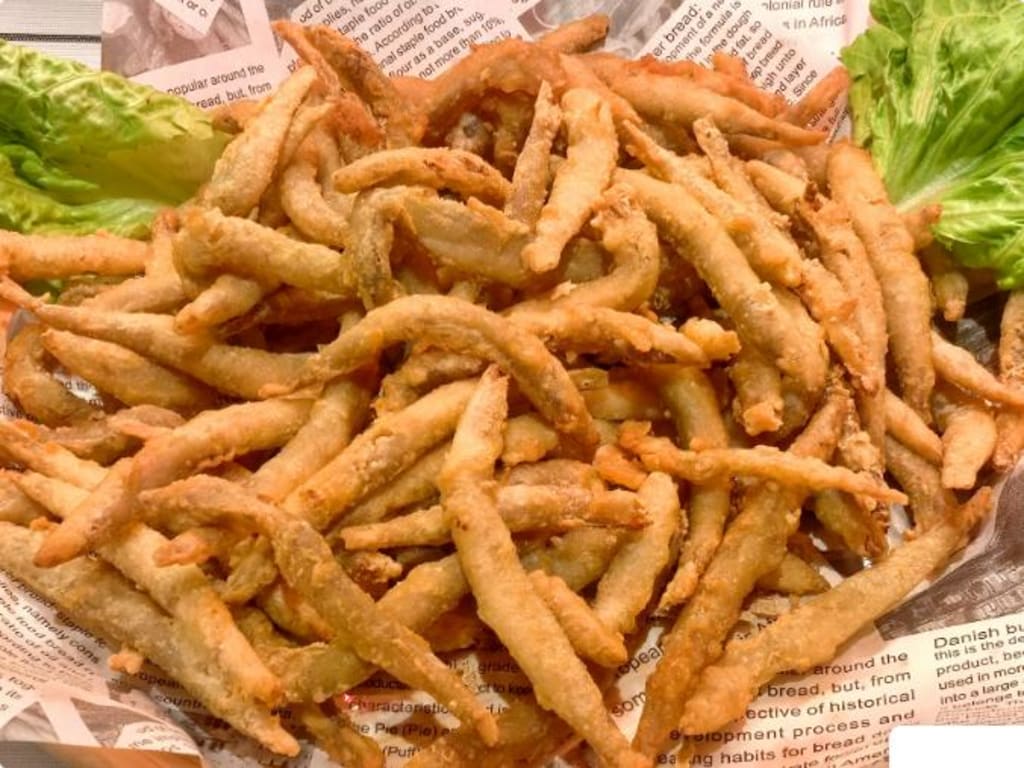
"Mom, why is yesterday‘s fried fish soggy again?" I poked at the limp sole fillet with my chopsticks, feeling the tiny bones prick my cheek. My mother slapped her thigh in exasperation. "Blame your father insisting on using potato starch! I told him that old trick doesn‘t work!" The kitchen smelled of Sichuan peppercorn oil, with last autumn‘s dried tangerine peels still sunning on the windowsill - a scene replaying annually like clockwork.
I. The Century-Old Culinary Conundrum: Why Does Homemade Fried Fish Never Stay Crispy?
Childhood memories of Old Zhang‘s street cart still linger - his golden fried beltfish segments emitted crackling sounds audible three blocks away, each bite dissolving even the thinnest bones into savory powder. Yet home attempts either resulted in greasy dough-armored fish or sad, limp specimens resembling day-old churros.
The flour coating approach? Initially promising with its golden hue, but soon revealed itself as an oil-sponge, leaving mouths uncomfortably greasy after two bites. Potato starch proved worse - while creating glass-like translucence when hot, it transformed into rubbery jerky upon cooling. That disastrous experiment with egg wash? The fish emerged wearing omelet coats, suffocating all delicate briny flavors.
II. The Fisherman‘s Wisdom: A Handful of Rice Solves Modern Problems
Last year‘s fishing expedition revealed the ancient secret. Weather-beaten deckhands preparing freshly caught sole reached not for flour or starch, but produced a stone mortar to grind raw rice grains. The magic lies in rice‘s amylose content - when heated, these straight-chain starch molecules form crystalline networks that trap moisture while creating honeycomb-crisp shells.
Home experimentation commenced: Northeast China‘s pearl rice pulverized into powder, sifted and blended with corn starch (2:1 ratio). Pure rice powder creates brittle armor; corn starch adds springiness - imagine crisp autumn leaves versus peanut brittle. The perfect balance creates shattering crispness without jaw-breaking hardness.
Selecting fish requires moonlight-bright scales on palm-sized soles. Traditional scaling uses dried luffa sponges - gentle exfoliation preserving tender flesh. The crucial step? Removing the black peritoneal membrane - that bitter, fishy flavor culprit lurking in abdominal cavities.
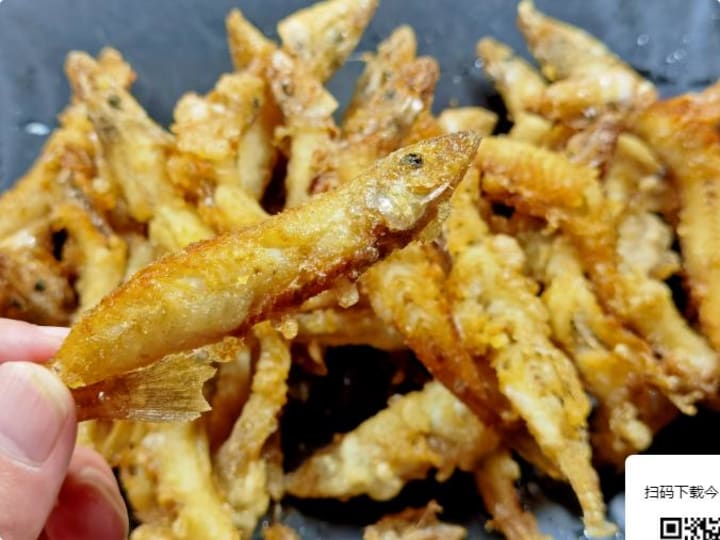
III. Triple-Crisp Fried Sole: Step-by-Step Mastery
A. The Art of Marination:
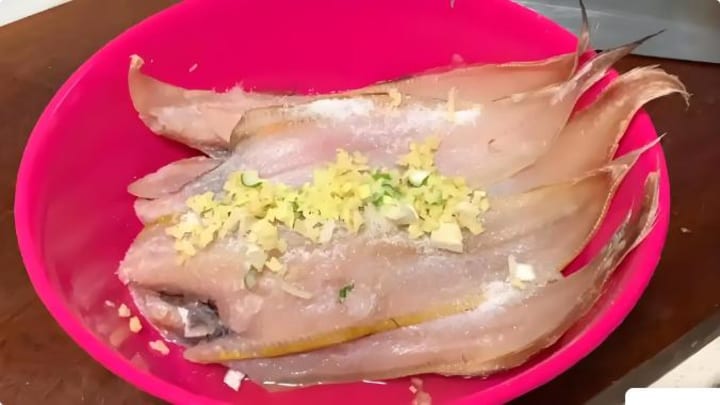
1. Soak cleaned fish in chilled ginger-scallion broth (20 minutes minimum)
2. Pat dry thoroughly - moisture is the crispness killer
3. Season with sea salt, white pepper, and the secret weapon: fresh lemon juice (half per pound). Unlike harsh rice wine, citrus enzymes gently neutralize odors while adding bright notes.
4. Finish with sesame oil - this lipid layer prevents seasoning wash-off during frying
B. Batter Alchemy:
1. Blend rice powder and corn starch, then incorporate ice-cold beer gradually
2. Whisk in Z-patterns using a balloon whisk - develops gluten-free structure
3. Secret touch: Two drops of white vinegar creates micro-bubbles for ultimate crispness
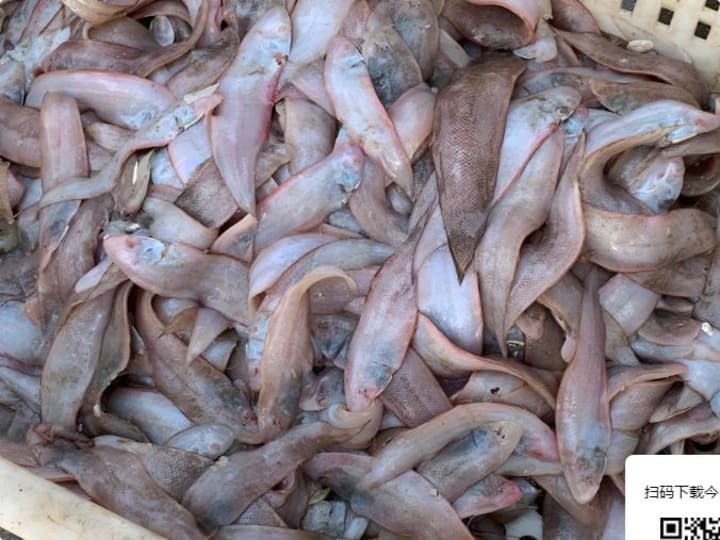
4. Test consistency: Batter should cascade like honey from a lifted whisk
C. The Triple-Fry Technique:
1. First Fry (160°C/320°F): Holding fish by tail, dip 3/4 into oil for 5-second initial set. Complete submersion until pale gold - bones remain slightly flexible
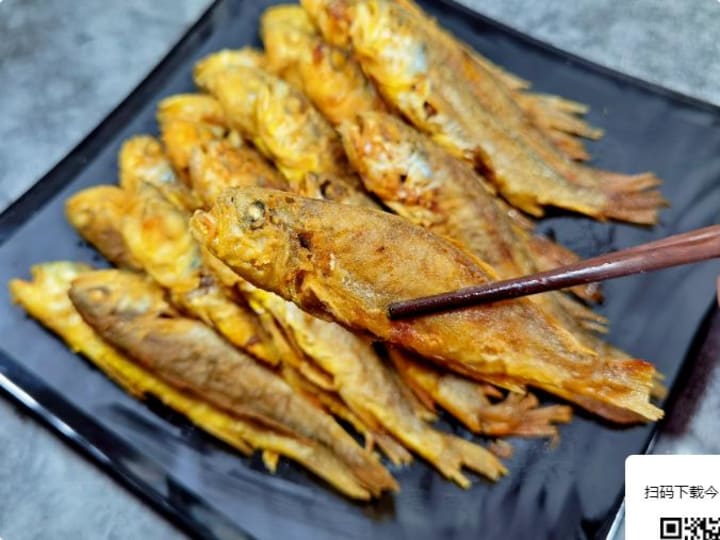
2. Second Fry (180°C/356°F): 30-second blitz transforms crust into bubbled armor while finishing bone-crisping
3. Third Fry (Residual Heat): Post-fire 10-second soak extracts residual oil - guarantees all-day crispness
The Result: Golden-cased fish shatter upon biting, releasing aromatic steam carrying oceanic essence. Even the skeleton crumbles like shortbread, making it safe for denture-wearing elders. The ultimate test? Refrigerated leftovers retain their snap - out-crunching microwaved doughnuts when paired with morning congee.
Modern Application Tips:
• Rice Varieties Matter: Short-grain japonica rice (like Calrose) contains optimal amylose
• Oil Temperature Control: Use infrared thermometer for precision
• Sustainable Practice: Reuse frying oil for stir-fries (filtered through cheesecloth)
• Nutritional Bonus: Rice coating absorbs 40% less oil than flour-based batters
From Tokyo tempura masters to Portuguese peixinhos da horta, the quest for eternal crispness unites global cuisines. This rice technique bridges ancient wisdom and food science - where amylose meets Maillard reaction in perfect harmony. Next time your fried fish disappoints, remember: sometimes salvation comes not from modern innovations, but in a humble grain our ancestors cultivated millennia ago.
About the Creator
My Tous les Jours Trip
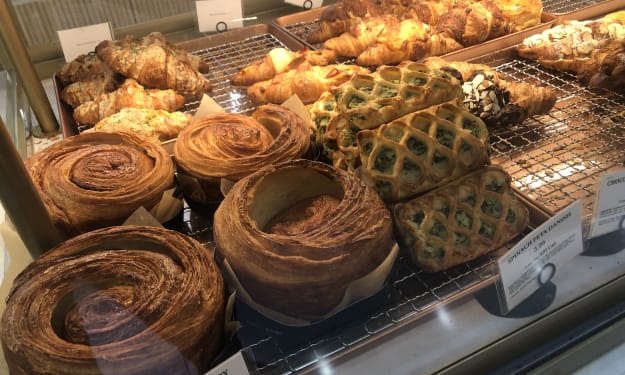
As someone who lives in a rural area, I don't get the chance to visit fancy restaurants or bakeries that often. So, when a friend told me about a French-Asian bakery that's less than an hour away, I knew I had to check it out and grab some pictures for social media. Tous les Jours ended up providing an immersive experience that went above and beyond my expectations--although I did leave with a few reservations.
By Kaitlin Shanks24 days ago in Feast
Vegan Food Market Trends & Summary (2025–2033)
Introduction The global shift toward healthier, more ethical, and environmentally responsible consumption has transformed vegan food from a niche lifestyle choice into a fast-growing mainstream market. According to Renub Research, the Vegan Food Market was valued at USD 20.06 billion in 2024 and is projected to reach USD 46.09 billion by 2033, expanding at a robust CAGR of 9.68% during 2025–2033. This impressive trajectory reflects not only changing consumer values but also rapid innovation across food technology, retail, and distribution.
By jaiklin Fanandish6 days ago in Feast
The Devil's Cut
“Comrade, finally you’re awake.” The voice was smooth, sensual. A flickering incandescent bar was all that lit the white, sterile room. All Vladimir remembered was everything going black. He tried to move his arms and found them strapped to the gurney.
By Matthew J. Fromm5 days ago in Fiction


Comments
There are no comments for this story
Be the first to respond and start the conversation.