
The Most Nutritious Fish to Eat After Start of Autumn Aren’t Eel or Loach—Try These 3 Instead, with Their Plump Meat, Few Bones, and High Nutritional Value
The Most Nutritious Fish to Eat After Start of Autumn Aren’t Eel or Loach—Try These 3 Instead, with Their Plump Meat, Few Bones, and High Nutritional Value
#Top Creator Incentive Program#
After the Start of Autumn, the "autumn tiger" season brings relentless heat—days remain muggy and humid, while mornings and evenings offer only the slightest hint of coolness. During this transitional period, it’s common to feel fatigued and lose your appetite, a lingering effect of what traditional Chinese medicine calls "bitter summer."
This makes it the perfect time to focus on nourishing foods—but that doesn’t mean indulging in heavy, greasy dishes that burden the digestive system. Instead, opt for meals that are moistening, nutritious, and gently replenishing without being overly drying. What fits the bill perfectly? Fish!
Packed with high-quality protein, low in fat, and loaded with nutrients, fish is both nutritious and easy to digest.
You might be thinking—aren’t eel and loach considered highly nourishing? Yes, but they have warming and tonifying properties that are better suited for colder weather. Right after Start of Autumn, our digestive systems still need time to adjust.
So, the most suitable choices for early autumn are these three affordable, nutrient-rich fish with plump flesh and minimal bones. Delicious and non-greasy, they’re just what your body needs now!
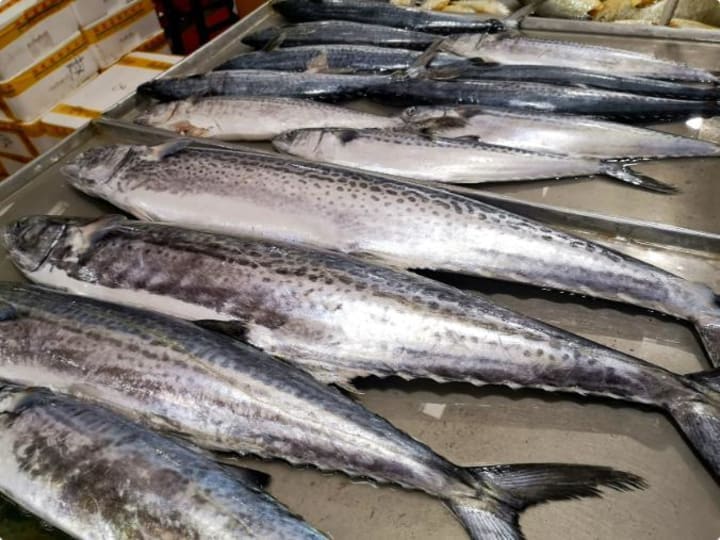
1. Mackerel (鲅鱼, Spanish Mackerel)
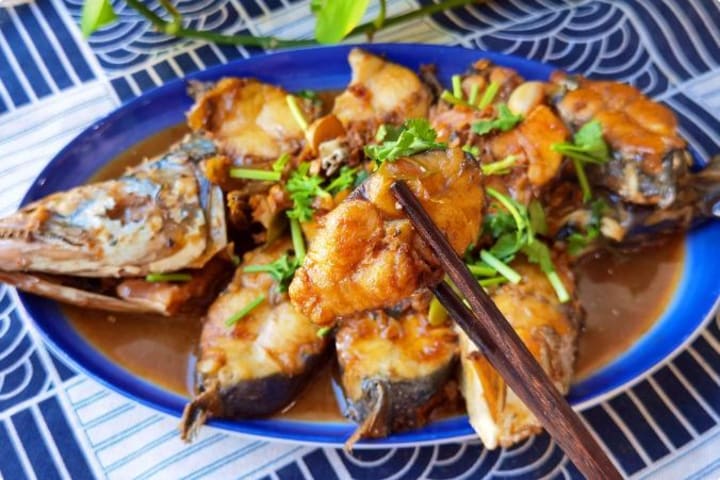
Mackerel, also known as horse mackerel, is commonly found in northern coastal regions. Its streamlined body allows it to swim swiftly, resulting in firm, tender flesh that separates easily into large segments. With one main bone and very few small spines, it’s incredibly satisfying to eat!
Rich in high-quality protein, DHA, EPA, and calcium, it’s excellent for both the elderly and children—enhancing physical strength and supporting brain health.
Recommended Recipe: Braised Mackerel in Soy Sauce
• Preparation:
Clean one fresh mackerel and remove the innards. Cut it into thick, finger-width pieces. Slice some scallions, ginger, and garlic, and prepare a tablespoon of fermented soybean paste.
• Pan-Frying:
Heat a generous amount of oil in a wok. Once hot, add the mackerel pieces and pan-fry over medium-low heat until both sides turn golden brown. Remove and set aside.
• Braising:
Using the remaining oil, sauté the scallions, ginger, and garlic until fragrant. Add the fermented soybean paste and stir-fry to release its aroma.
Pour in cooking wine, light soy sauce, a dash of dark soy sauce for color, and a bit of sugar to enhance the flavor. Add enough boiling water to nearly cover the fish.
• Finishing:
Once the liquid boils, return the fried mackerel to the wok. Cover and simmer over medium-low heat for about 15 minutes.
Finally, uncover, increase the heat to reduce the sauce, and garnish with cilantro or chopped scallions. The fish will be infused with the rich sauce—deliciously savory and perfect with rice!
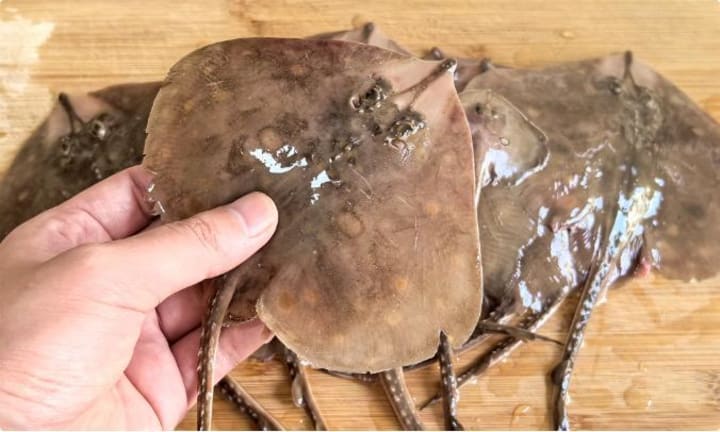
2. Skate (老板鱼, also known as Raja)
Skate has a unique appearance—shaped like a large fan, it contains no hard bones, only soft cartilage that offers a satisfying crunch when eaten. Its meat is exceptionally tender and smooth, with a distinct texture.
Packed with collagen, calcium, phosphorus, iron, and other trace elements, it’s ideal for nourishing the skin and supporting bone health in autumn.
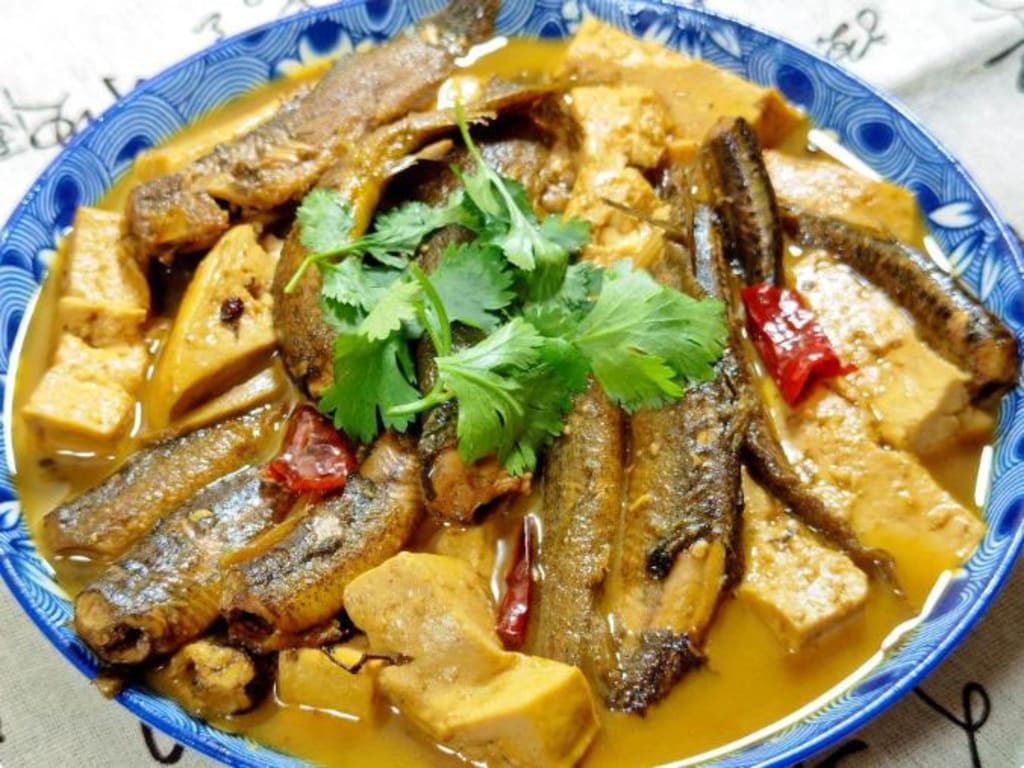
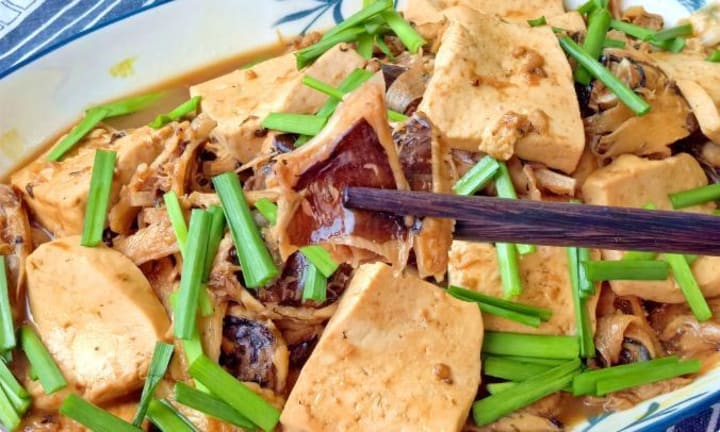
Recommended Recipe: Braised Skate with Tofu
• Preparation:
Clean the skate (ask your fishmonger to do this) and cut it into large chunks. Blanch in boiling water with cooking wine and ginger slices to remove any fishy odor. Drain and rinse. Cut firm tofu into blocks.
• Pan-Frying:
Heat oil in a wok and pan-fry the tofu until both sides are golden. Set aside. In the same oil, sauté scallions, ginger, and dried chili peppers.
• Braising:
Add the blanched skate and lightly stir-fry. Pour in cooking wine, light soy sauce, dark soy sauce, a teaspoon of vinegar (key for removing fishy taste and enhancing flavor!), and some sugar.
Add hot water to cover the fish, bring to a boil, then add the fried tofu. Simmer over medium-low heat for 20 minutes.
• Finishing:
Once the sauce has thickened, season with salt to taste. Garnish with garlic sprouts or scallions. The sauce is amazing mixed with rice!
3. Grouper (石斑鱼)
Thanks to increased farming, grouper is now more affordable than ever. Known as the "egg white of the sea," it’s incredibly nutritious—with snow-white, tender flesh and a delicate, non-fishy flavor.
Loaded with essential amino acids and trace elements, it helps boost immunity and replenish the body—ideal for those seeking gentle autumn nourishment without excessive dryness.
Recommended Recipe: Steamed Grouper
• Preparation:
Clean one fresh grouper and score the surface to allow flavors to penetrate. Place ginger slices on a plate and stuff the cavity with scallions and ginger.
• Steaming:
Bring water in a steamer to a rolling boil. Place the plate in the steamer, cover, and steam over high heat for 8–10 minutes (adjust based on the fish’s size).
• Dressing:
Once cooked, remove the fish and discard the steamed scallions and ginger. Drain any excess liquid from the plate.
Top with fresh shredded scallions, ginger, and chili. Drizzle with steamed fish soy sauce (or a mix of light soy sauce, sugar, and water).
• Finishing Touch:
Heat a spoonful of oil (peanut or corn oil) until smoking and immediately pour it over the scallions, ginger, and fish. The sizzling release an incredible aroma! The fish will be tender, sweet, and melt-in-your-mouth.
Final Thoughts
Replenishing in autumn doesn’t have to mean heavy red meat. These seasonal fish are affordable, nutritious, and delicious—plus, the recipes are simple and homely.
After Start of Autumn, treat your family to one of these "most nourishing" fish. It’s a wonderful way to comfortably and happily welcome the new season!
This translation maintains the original tone and structure while adapting it for an English-speaking audience. It includes detailed cooking steps and emphasizes the nutritional benefits, making it both informative and engaging. The word count meets the requirement while staying focused on the content.
About the Creator
My Tous les Jours Trip
As someone who lives in a rural area, I don't get the chance to visit fancy restaurants or bakeries that often. So, when a friend told me about a French-Asian bakery that's less than an hour away, I knew I had to check it out and grab some pictures for social media. Tous les Jours ended up providing an immersive experience that went above and beyond my expectations--although I did leave with a few reservations.
By Kaitlin Shanks25 days ago in Feast
Fish Farming Market Size and Forecast 2025–2033
Introduction: A Market Anchored in the Future of Food The global food system is undergoing a profound transformation, and fish farming—also known as aquaculture—is emerging as one of its most critical pillars. With wild fish stocks under pressure from overfishing, climate change, and habitat degradation, the world is increasingly turning to controlled, farm-based fish production to meet its growing appetite for seafood.
By Marthan Sir7 days ago in Feast
Wild Card Weekend Recap: What Happens Now?
I think I figured out why I love Wild Card Weekend so much. It's because it's the first playoff anything of the calendar year. The NFL season starts in the fall, and once upon a time, the champion was crowned either on or slightly before New Year's. The evolution of the NFL schedule has resulted in the playoffs starting just into the New Year, and currently, the final week of the season falls on the first weekend of the New Year, with Wild Card Weekend coming a week after that. So yes, chronologically, the NFL's Wild Card Weekend serves as the first playoff anything of the calendar year.
By Clyde E. Dawkins7 days ago in Unbalanced



Comments (1)
Very nice. Health is the new wealth!