
The Most Genius Spring Chive Hack! Mousse-Style Recipe Stuns French Culinary Student
Style Recipe Stuns French Culinary Student

When I first experimented with chive mousse in my kitchen, I never imagined the ripple it would create. A month ago, my cousin—fresh from Le Cordon Bleu in Paris—demanded to "assess the authenticity of Chinese home cooking." Determined to impress, I set out to reinvent spring’s most humble ingredient.
The Cultural Clash That Sparked Innovation
In China, chives are a culinary workhorse. For millennia, they’ve been stir-fried with eggs, tucked into dumplings, or fermented into pungent condiments. My grandmother, a traditional herbalist, revered them as "the immortality herb," praising their ability to "warm the stomach and invigorate the blood" in spring. Yet, in modern kitchens, we often treat them as an afterthought—chopped hastily into noodles or tossed into hot oil without ceremony.

Meanwhile, in the West, chives are relegated to garnish duty—a delicate sprinkle atop baked potatoes or folded into cream cheese. My cousin’s skepticism mirrored this divide: "How could something so… peasant-like rival French technique?" Challenge accepted.
Why Chives Deserve the Spotlight
The magic lies in their duality. Spring chives (韭菜, jiu cai) are tender yet assertive, with a garlicky sweetness that mellows when tamed. Unlike their Western allium cousins (leeks, scallions), Chinese chives boast flat, emerald-green blades and a juicy crunch. Nutritionally, they’re packed with vitamins A and C, folate, and sulfur compounds believed to boost immunity—a fact my grandmother recited like poetry.
Selection Tips
• Narrow stems > wide: Thinner blades are younger, more tender.
• Snap test: Fresh chives bend but don’t break; hollow stems mean age or poor storage.
• Aroma: Rub a leaf—true spring chives release a grassy perfume, not just sharpness.
The Recipe: Where East Meets Haute Cuisine
This mousse isn’t just a technical flex—it’s a bridge between philosophies. French mousse au chocolat meets Chinese qingming freshness.
Surprisingly Simple Ingredients
• 300g fresh spring chives (must be spring harvest—summer chives turn fibrous)
• 200ml heavy cream (30%+ fat; Asian brands like President work best)
• 7g gelatin sheets (soaked in ice water; or agar powder for vegan)
• 3g salt (flaky sea salt amplifies minerality)
• White pepper (a whisper—it’s about nuance, not heat)
• Juice of ½ lemon (balances sulfurous notes)
• 2 egg yolks (room temperature; acts as emulsifier)
• 100g mascarpone (cream cheese dulls flavor; mascarpone’s lactic tang harmonizes)
The Alchemy, Step by Step
1. Prep Like a Pro
• Chive Surgery: Trim roots, but keep the white bases—they’re flavor bombs. Roughly chop (no need for precision; the blender does the work).
• Blanch Brilliance: Boil water with 3 drops white vinegar (preserves color) + pinch of salt. Cook chives 40 seconds—no longer—then plunge into ice water. This halts enzyme activity, locking in vibrancy.
2. Blend to Transcendence
• In a high-speed blender, combine blanched chives with ⅓ of the cream. Pulse until silky—over-blending heats the mixture, dulling flavor.
3. Temper with Precision
• Whisk egg yolks into remaining cream. Warm gently (65°C) over double boiler.
• Squeeze soaked gelatin, melt into cream mixture. Test temperature on your wrist—it should feel like a baby’s bath.
4. Emulsify & Elevate
• Fold chive purée into mascarpone. Add tempered cream-gelatin mix.
• Season: Salt, pepper, lemon juice. Taste raw—if it’s balanced now, it’ll sing when set.
5. The Waiting Game
• Pour into ramekins or a porcelain mold. Chill 4+ hours (overnight ideal).
The Revelation: Texture as Poetry
When unmolded, the mousse quivered like dewdrops on grass. We served it with:
• Crispy wonton tuiles (for contrast)
• Pickled radish threads (bright acidity)
• A drizzle of chili-infused sesame oil (drama!)
The first bite silenced my cousin. Then came her verdict: "This is a culinary revelation… The texture—it’s like biting into a cloud that whispers secrets of the earth."

Why This Works (Food Science Corner)
• Gelatin vs. Agar: Gelatin gives a melt-in-mouth feel; agar creates a firmer bite. For vegan versions, increase agar to 4g and add 1 tsp xanthan gum for elasticity.
• Fat Matters: Heavy cream’s fat globules coat chive compounds, softening their sharpness. Mascarpone’s pH (4.5–5.5) further neutralizes sulfurous notes.
• Blanching Science: Vinegar’s acidity protects chlorophyll, keeping that jade-green hue.
Pro Tips & Pairings
• Garnish Genius: Toasted pine nuts, edible flowers, or crispy garlic chips.
• Serving Suggestions: Dollop on grilled fish, stuff into bao buns, or layer in a terrine with smoked salmon.
• Cocktail Pairing: A crisp Riesling or jasmine-infused gin tonic.
Epilogue: A Lesson in Culinary Courage
My cousin now serves this mousse at her Parisian pop-up—rebranded as Mousse Printanière à l’Immortalité. Meanwhile, my grandmother approved with a nod: "Finally, someone treats chives like royalty."
So, fellow flavor rebels—what underdog ingredient will you reinvent today? Share your kitchen epiphanies below, and let’s toast to the beauty of cross-cultural curiosity!
Don’t let spring slip away—grab those chives and let your creativity bloom. 🌱✨
About the Creator
I Discovered A Better Way To Cook Cabbage
I recently posted this question on Facebook: I was surprised by some of the answers, especially about cabbage. Chicken: 40% Cabbage: 30% Salmon: 20% Others: 10% (including steak, crab cakes, fish, chili dogs, chicken salad, mac and cheese, cold cuts, potatoes, and ham)
By Margaret Minnicks2 days ago in Feast
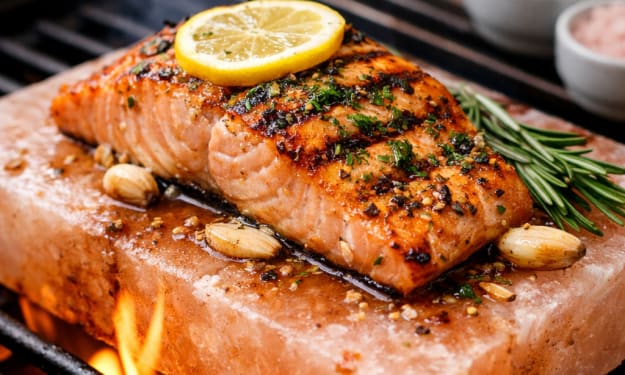
Grilled Salmon on Himalayan Pink Salt Bricks: Extraordinary Taste
That smoky piece of grilled salmon? People love how it tastes, full and hearty, yet light on the body thanks to good fats. Still, nailing the taste at home trips up plenty - too much salt shows up fast, or worse, the flesh turns stiff and parched before it's done.
By Hendra Edwardabout 20 hours ago in Feast


Comments
There are no comments for this story
Be the first to respond and start the conversation.