
The Luxury Takeaway Dilemma - Why We Need More High-End Options
Not enough quality take away options in my city
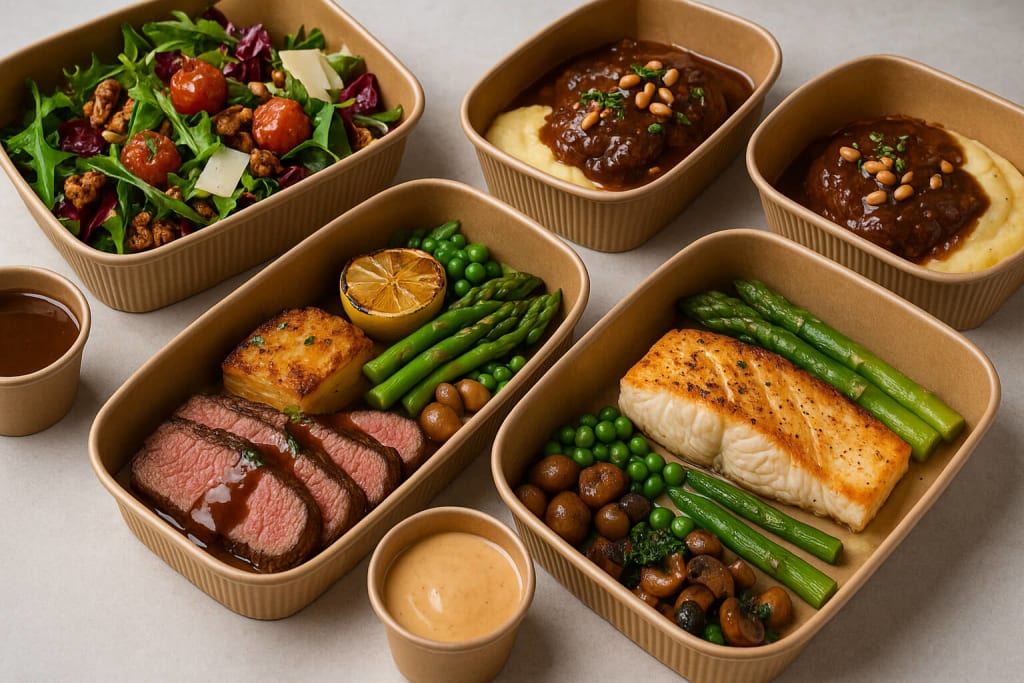
The current landscape of luxury takeaway options leaves much to be desired. While standard fast food and casual dining takeout saturate the market, truly premium experiences remain frustratingly limited. Food enthusiasts seeking gourmet meals at home often find themselves disappointed by the narrow selection of luxury takeaway choices available. Companies like By Cortsen have begun addressing this gap by offering quality catering services, but the broader luxury takeaway sector remains underdeveloped. As our appreciation for fine dining evolves, so too should our expectations for high-end food delivered to our doorsteps. The question becomes not whether we need more luxury takeaway choices, but rather why this segment continues to lag behind when demand clearly exists for sophisticated culinary experiences that don't require restaurant visits.
The Gap Between Restaurant Excellence and Takeaway Reality
The stark contrast between dining in a high-end restaurant and ordering luxury takeaway reveals a troubling disparity in our culinary landscape. When visiting premium restaurants, patrons expect and receive meticulously prepared dishes, artistic presentation, and exceptional ingredients that justify premium prices. Yet this same level of quality rarely translates to the luxury takeaway experience. Most luxury takeaway options currently available represent mere shadows of what restaurants serve in-house, with compromises in presentation, temperature control, and overall dining experience. The packaging often fails to preserve the integrity of delicate gourmet creations, resulting in soggy textures or diminished flavors by the time food reaches its destination. Luxury dining establishments have historically focused their expertise on creating memorable in-house experiences, viewing takeaway as an afterthought rather than a legitimate extension of their brand. This mindset has created a vacuum where truly premium at-home dining experiences should exist.
By Cortsen stands as one of the few pioneers breaking this mold, demonstrating that gourmet food can indeed travel successfully from kitchen to home without sacrificing quality. Their approach treats luxury takeaway as a distinct art form requiring specialized techniques and packaging solutions rather than a compromised version of restaurant dining. However, they remain an exception in a market that desperately needs more innovation. The pandemic forced many high-end restaurants to experiment with takeaway options, yet most retreated to their traditional models once restrictions lifted instead of refining these potentially lucrative new revenue streams. This retreat has left discerning customers with limited options when seeking premium dining experiences at home.
For food enthusiasts who appreciate the nuances of fine dining but occasionally prefer the comfort of their own spaces, this gap represents a significant missed opportunity. The luxury takeaway sector has failed to evolve at the same pace as other premium home services - all of which have successfully translated exclusive experiences into the domestic sphere. This lag suggests not a lack of market demand but rather a failure of imagination and innovation within the culinary industry.
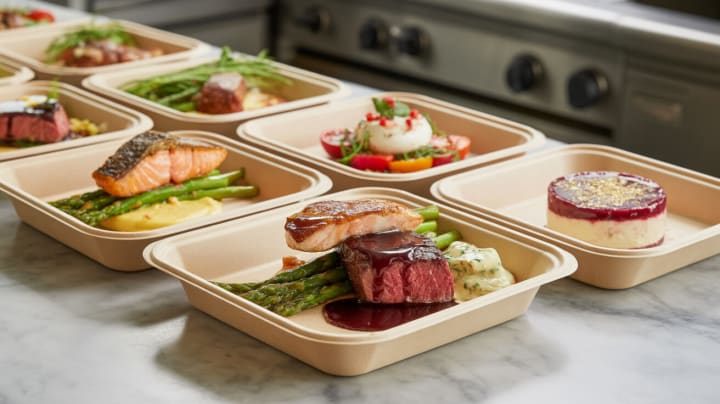
Consumer Expectations and Market Potential
Modern consumers increasingly seek premium experiences that align with their busy lifestyles, creating fertile ground for luxury takeaway growth. The typical luxury takeaway customer belongs to a demographic willing to pay substantially more for exceptional quality, unique flavors, and convenience combined. These consumers have sophisticated palates and appreciate culinary artistry but don't always have time for formal restaurant visits. Their expectations extend beyond merely edible food delivered promptly – they want memorable dining experiences that happen to take place at home. This demographic often comprises professionals with disposable income, food enthusiasts who follow culinary trends, and social hosts looking to impress without the labor of cooking. The potential market size grows yearly as more consumers prioritize quality over quantity in their food choices. This is why we see companies like By Cortsen and similar gourment takeaway companies popping up in the larger cities.
Research indicates that luxury takeaway customers value authenticity, sustainability, and exclusivity alongside taste and presentation. They seek gourmet meals that tell stories through carefully sourced ingredients and chef-driven creativity. By Cortsen has recognized this desire, offering premium catering that emphasizes provenance and craftsmanship. However, even their excellent offerings represent just one style among many potential luxury takeaway approaches. The current limited options force consumers to choose between compromising on quality or giving up on takeaway altogether for special occasions. Market analysis suggests that cities with vibrant food scenes could support significantly more variety in luxury takeaway options than currently exists.
The untapped potential becomes particularly evident when comparing the luxury takeaway market to other premium food sectors. While specialty grocery stores, subscription meal kits, and private chef services have all expanded dramatically over the past decade, truly high-end takeaway remains underdeveloped. This disparity cannot be explained by lack of demand – rather, it reflects a hesitancy among established culinary businesses to innovate in this space. The few successful ventures proving the concept, like By Cortsen, demonstrate that consumers will enthusiastically support well-executed luxury takeaway offerings. Their success stories show that when premium restaurants and food brands take takeaway seriously as its own culinary category requiring specialized expertise, customers respond with loyalty and word-of-mouth promotion that drives growth.
Technical Challenges and Innovative Solutions
The scarcity of luxury takeaway options stems partly from genuine technical hurdles that premium food establishments must overcome. Gourmet dishes often rely on precise timing, delicate textures, and careful temperature control – elements that traditional takeaway packaging struggles to maintain. A perfectly crisp duck skin or a soufflé with ideal rise simply won't survive standard delivery methods. This technical reality has discouraged many high-end chefs from entering the luxury takeaway market, believing their culinary creations cannot travel without significant quality degradation. The packaging technology commonly used for takeaway was designed for durability and cost-efficiency rather than preserving the nuances of fine dining.
Recent innovations suggest these obstacles aren't insurmountable. Forward-thinking luxury takeaway providers have begun developing specialized packaging that maintains food integrity during transit. Some use compartmentalized containers that keep components separate until consumption, while others employ thermal technologies that regulate temperature more effectively than conventional packaging. By Cortsen, for example, has pioneered packaging solutions that preserve the textural contrasts essential to their gourmet offerings. Their approach demonstrates that with thoughtful engineering and willingness to reimagine delivery systems, luxury takeaway can maintain standards comparable to in-restaurant dining.
Beyond packaging, timing represents another critical challenge. Luxury takeaway services must carefully orchestrate preparation, packaging, and delivery to ensure food arrives at its peak. This requires sophisticated logistics systems that traditional restaurants may lack the expertise or resources to develop. The most successful luxury takeaway operations treat delivery not as an afterthought but as an integral part of the culinary experience, with dedicated staff managing this crucial final step.
Menu engineering specifically for takeaway presents another frontier for innovation. Rather than simply offering restaurant dishes for delivery, visionary chefs are beginning to create luxury takeaway-specific menus that consider how foods travel and evolve between kitchen and table. These specially designed offerings incorporate ingredients and techniques that maintain quality during transit while still delivering the premium experience customers expect. This approach requires culinary creativity and willingness to reimagine what constitutes luxury dining when transported beyond restaurant walls.
Expanding the Luxury Takeaway Landscape
The path toward a more diverse luxury takeaway ecosystem requires strategic action from various stakeholders in the food industry. Restaurants, entrepreneurs, and culinary innovators all have roles to play in expanding premium options beyond the current limited selection. Enhancing the luxury takeaway landscape would benefit not only consumers seeking variety but also businesses looking to expand their revenue streams and market reach. Several key approaches could help transform this underdeveloped sector:
Cuisine Diversification - The luxury takeaway market needs representation from more global culinary traditions. Currently, certain cuisines dominate the high-end takeaway space while others remain underrepresented despite their potential for exceptional at-home experiences. Gourmet interpretations of regional specialties could significantly broaden the luxury takeaway landscape.
Collaborative Models - Partnerships between premium ingredient suppliers, renowned chefs, and delivery logistics experts could create new luxury takeaway brands built specifically for the at-home fine dining experience. By Cortsen exemplifies how specialized expertise in quality food preparation can translate to successful luxury takeaway operations.
Technology Integration - Smart packaging with QR codes linking to plating instructions, wine pairings, or chef commentary could enhance the luxury takeaway experience. Some forward-thinking operations have begun incorporating augmented reality elements that guide customers through final preparation steps.
Subscription Services - Weekly or monthly rotating menus of luxury takeaway options could build customer loyalty while allowing chefs to plan and execute complex dishes with appropriate lead time. This model works particularly well for gourmet food that requires extensive preparation.
The most promising development would be the emergence of dedicated luxury takeaway brands that aren't merely offshoots of existing restaurants but purpose-built operations designed specifically for delivering premium culinary experiences to homes. These specialized ventures would approach luxury takeaway as their core business rather than an ancillary service, investing in the necessary research, development, and logistics to perfect the model.
Consumer education represents another crucial element in expanding the luxury takeaway market. Many food enthusiasts don't realize that truly exceptional takeaway options exist or could exist with sufficient demand. By highlighting success stories like By Cortsen and educating consumers about what's possible in luxury takeaway, the market could grow substantially. Food critics and influencers have important roles to play in evaluating and promoting high-quality options, helping to establish standards and expectations for this emerging category.
Bridging the Gap in Premium Home Dining
The current shortage of diverse luxury takeaway options represents both a market gap and an opportunity. While pioneers like By Cortsen have demonstrated the viability of premium food delivery that maintains gourmet standards, the sector remains largely untapped compared to its potential. Consumers increasingly seek high-quality dining experiences that fit their lifestyles, creating demand for luxury takeaway that truly delivers on its premium promise. The technical challenges that once made luxury takeaway seem impossible are gradually yielding to innovative solutions in packaging, logistics, and menu design.
For the luxury takeaway market to flourish, stakeholders must recognize it as a distinct culinary category worthy of dedicated attention rather than an afterthought to restaurant service. This means investing in specialized knowledge, equipment, and systems designed specifically for delivering exceptional food experiences to homes. The restaurants and culinary brands that embrace this challenge stand to capture significant market share in an emerging sector with substantial growth potential. By expanding beyond the limited options currently available, the luxury takeaway landscape could transform into a vibrant ecosystem offering diverse cuisines and dining styles to discerning customers.
The path forward requires collaboration, innovation, and a willingness to reimagine what takeaway food can be at its finest. With thoughtful development and strategic investment, luxury takeaway could evolve from its current status as a rare find to become a thriving segment of the culinary world, offering genuine variety and excellence to food enthusiasts everywhere.
About the Creator
Keep reading
More stories from Sommersang and writers in Feast and other communities.
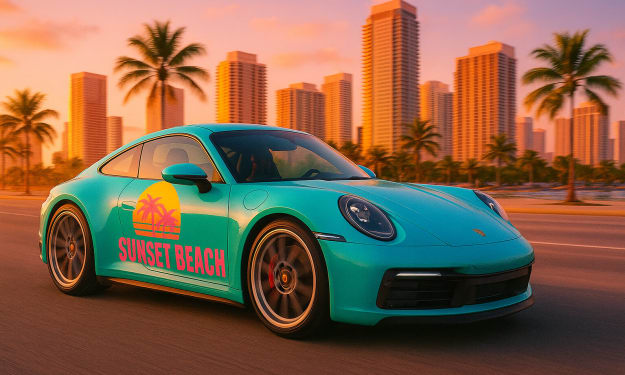
Car advertising and vehicle wraps - turning your ride into a money-maker
Putting ads on your car or getting a full vehicle wrap can transform an ordinary drive into a money-making opportunity. Many businesses now see cars as moving billboards, catching eyes at every traffic light. Whether you're a business owner wanting to boost visibility or someone looking to earn extra cash by advertising others' brands on your vehicle, car advertising creates new possibilities. This approach works because cars move through different areas, reaching diverse audiences throughout the day. Unlike fixed billboards, vehicle ads travel wherever you go, potentially reaching thousands of viewers daily. From simple magnetic door signs to full-body wraps that completely transform a vehicle's look, the options vary widely in both cost and visual impact.
By Sommersang10 months ago in Wheel
The food business is undergoing a transformation thanks to gene-edited fungus, which is being considered as a beef substitute.
Compared to the strain now in use, a gene-edited fungus has created meat-like protein that grows more quickly and uses a lot less sugar. These improvements bring one of the earliest meat alternatives in the world closer to competing with animals in terms of scale and efficiency.
By Francis Dami3 days ago in Feast



Comments