
Car advertising and vehicle wraps - turning your ride into a money-maker
Stylish and useful car advertising
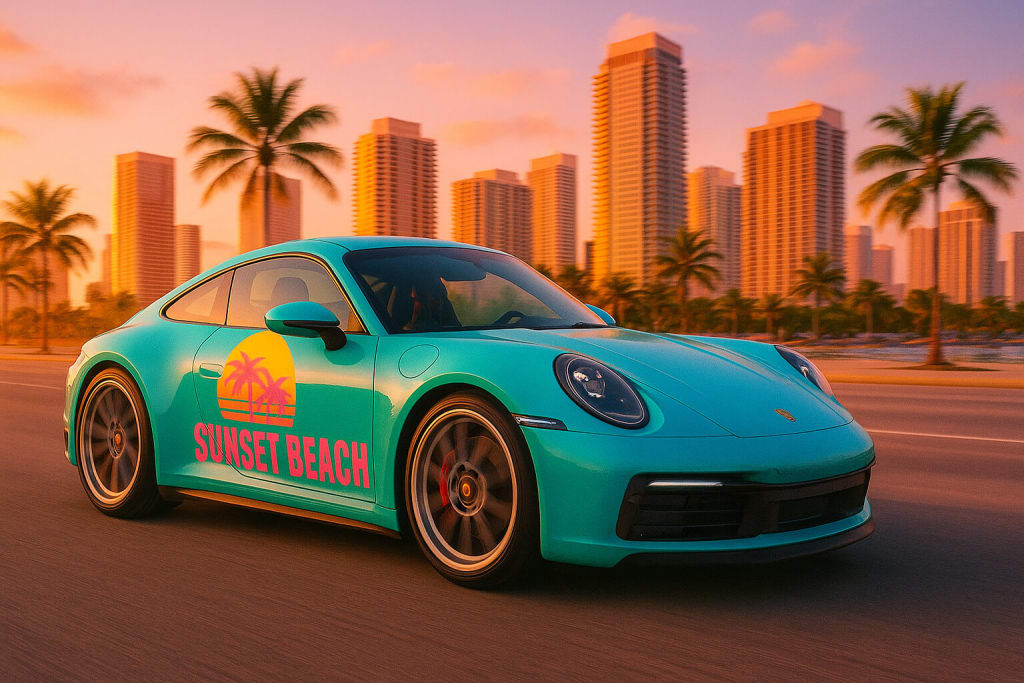
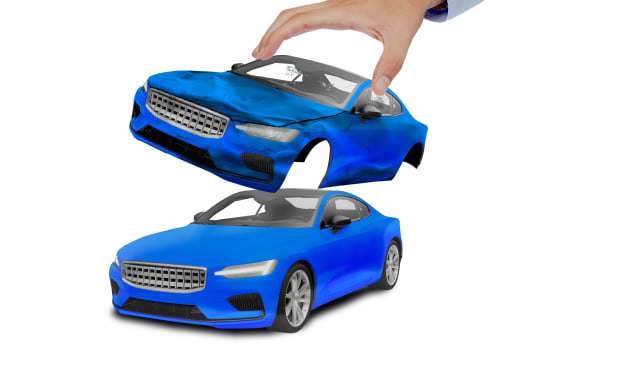
Putting ads on your car or getting a full vehicle wrap can transform an ordinary drive into a money-making opportunity. Many businesses now see cars as moving billboards, catching eyes at every traffic light. Whether you're a business owner wanting to boost visibility or someone looking to earn extra cash by advertising others' brands on your vehicle, car advertising creates new possibilities. This approach works because cars move through different areas, reaching diverse audiences throughout the day. Unlike fixed billboards, vehicle ads travel wherever you go, potentially reaching thousands of viewers daily. From simple magnetic door signs to full-body wraps that completely transform a vehicle's look, the options vary widely in both cost and visual impact.
Types of vehicle advertising options
The world of car advertising offers several ways to turn your vehicle into a promotional tool. Magnetic signs provide the most basic option - they attach easily to metal surfaces and can be removed without damaging paint. These work well for small businesses or part-time promotions since you can take them off when not working. Vinyl lettering offers another simple approach, allowing for custom text and small graphics on doors or windows. These cut vinyl elements stick directly to the vehicle's surface but can be professionally removed later.
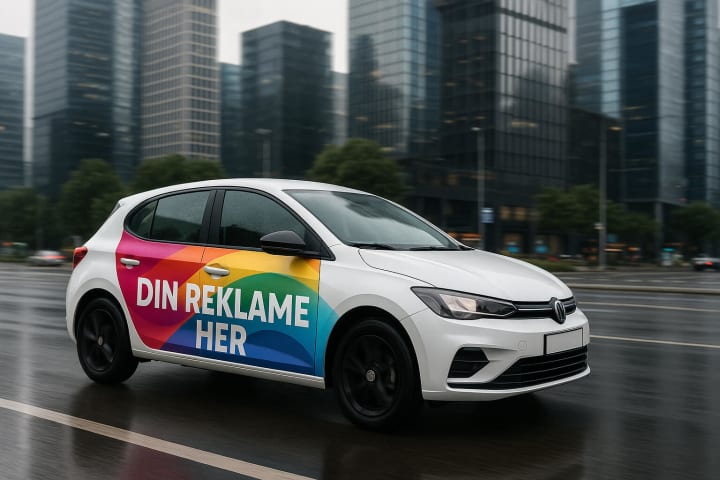
Partial wraps cover selected portions of your car with branded vinyl, typically doors, hood, or rear panels. This middle-ground option balances visibility with cost. Full vehicle wraps deliver the most dramatic impact. These large vinyl sheets completely cover the original paint with custom designs, transforming the entire appearance. Professional installers carefully apply these wraps, working around curves and contours to create a seamless look. The vinyl protects the original paint while displaying vibrant graphics that won't fade quickly.
Window perforated films extend the design across windows while still allowing visibility from inside. These special materials feature tiny holes that permit drivers to see out while appearing solid from outside. Digital printing technology now allows for photographic-quality images, complex gradients, and unlimited color options on all these materials. Modern wraps can last 3-7 years depending on quality and exposure to elements. For those seeking temporary promotions, car-top advertising systems provide another alternative. These illuminated boxes sit on roof racks, displaying messages that can be changed regularly.
Benefits for businesses and car owners
Vehicle wraps and car advertising create mutual advantages for both businesses and vehicle owners. From a business standpoint, the mobility factor stands out as the primary benefit. Your message travels throughout towns and cities, reaching people who might never see your traditional ads. This mobile nature helps spread brand awareness across different neighborhoods and demographics. The cost-per-impression rate typically runs much lower than traditional advertising channels. While a quality full wrap might cost $2,000-$4,000 initially, it can generate tens of thousands of views daily over several years. This breaks down to mere pennies per thousand impressions - far cheaper than newspaper ads, radio spots, or billboards. For several years, companies like Kellmann have been styling cars and busses with both wraps and painted advertising. Something that both the car owner and those who look at the car really enjoy.
Car wraps also protect the original paint from sun damage, stone chips, and minor scratches. This preservation benefit means the vehicle might maintain higher resale value when it's time to sell. Many business owners report that wrapped vehicles create a more professional impression when arriving at client locations. The consistent branding helps reinforce company identity and shows attention to detail.
For individual car owners willing to display others' advertisements, several paid programs exist. These typically fall into two categories: passive and active programs. Passive programs simply pay you to drive normally with their ads on your car. Active programs might require you to park in specific high-visibility locations or drive through targeted areas at certain times. Payment structures vary widely - some offer flat monthly rates while others pay based on mileage or hours driven. Typical earnings range from $100-$500 monthly depending on your location, driving habits, and the size of the advertisement. The non-monetary benefits matter too. Some advertising programs include perks like free car washes, maintenance allowances, or gas cards.
Design considerations and best practices
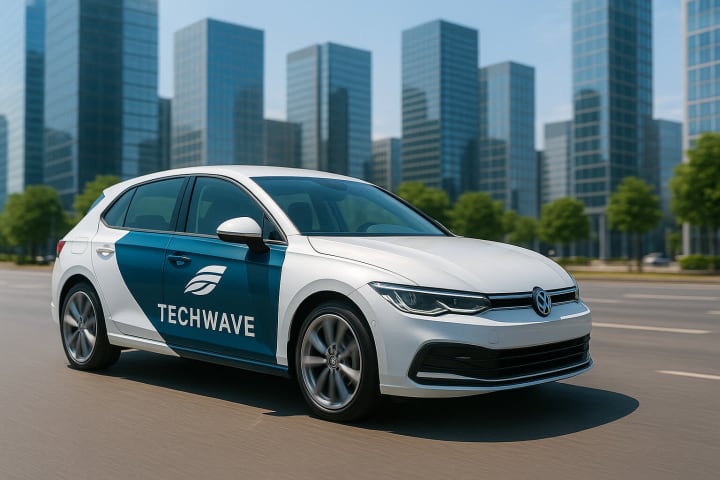
Creating effective vehicle advertising requires careful planning to maximize visual impact while maintaining clarity. The moving nature of vehicle ads means viewers often have just seconds to absorb your message. This reality shapes every design decision. Colors must contrast sharply with the vehicle and surrounding environment to stand out in traffic. Bold, simple graphics typically outperform complex designs when viewed from a distance or at speed. Text should remain minimal – focus on company name, core service, and contact method. Many designers recommend limiting text to 7-10 words total for maximum readability.
Font selection plays a crucial role in vehicle wrap effectiveness. Sans-serif fonts generally work better than decorative options, as they remain legible at various distances and angles. Size matters tremendously – text that seems massive in a design mockup might appear tiny when applied to a moving vehicle. Professional designers understand how to scale elements appropriately for different viewing distances.
Vehicle shape dictates design flow. The best wraps work with the car's natural lines rather than fighting against them. Strategic placement of key messages matters – doors and rear panels typically receive the most viewing time at stoplights and in parking lots. Windows, while tempting canvas space, should be used judiciously to maintain driver visibility and comply with local regulations.
When planning your vehicle advertising, consider these practical recommendations:
• Start with a clear marketing objective before designing
• Include one primary call-to-action, not multiple competing messages
• Use high-resolution images (minimum 300 dpi) for printing
• Incorporate your logo consistently with other marketing materials
• Test your design by viewing mockups from different distances
• Consider how the design appears when doors or hatches are open
Professional installation makes a significant difference in both appearance and longevity. Properly applied wraps can last 3-5 years, while amateur applications might bubble, peel, or fade within months. The installation process requires specialized tools, controlled environments, and experienced technicians to navigate complex vehicle contours.
Maintenance and care of vehicle wraps
Proper maintenance significantly extends the life and appearance of vehicle wraps. Regular cleaning prevents dirt buildup that can damage vinyl and diminish visual impact. Unlike unwrapped vehicles, wrapped cars require specific cleaning approaches to preserve the graphics. Hand washing represents the safest method, using mild soap and water rather than harsh chemicals that might degrade the vinyl. Pressure washers should be avoided or used with extreme caution, keeping nozzles at least two feet from the surface and avoiding direct spraying at wrap edges where lifting might occur. Keep in mind that a car wrap also protects the car and thereby improves the car's lifespan.
The frequency of cleaning depends largely on driving conditions and environment. Vehicles in coastal areas need more frequent washing to remove salt spray, while those in urban areas might need cleaning to remove industrial fallout and pollutants. Bird droppings, tree sap, and insect remains should be cleaned promptly as these substances contain acids that can permanently stain or damage wrap materials.
Parking choices affect wrap longevity dramatically. Whenever possible, park wrapped vehicles in shaded or covered areas. Extended sun exposure accelerates vinyl degradation through UV damage, leading to fading, brittleness, and eventual cracking. This effect becomes particularly noticeable with darker colors, which absorb more heat and show fading more readily than lighter hues. Some premium wrap materials include UV inhibitors that slow this process, but no vinyl remains immune to sun damage indefinitely.
Winter conditions present special challenges for wrapped vehicles. Road salt and de-icing chemicals can damage adhesives and cause edge lifting if not promptly removed. In snowy regions, more frequent winter washing helps prevent these issues. When ice forms on wrapped surfaces, never use scrapers directly on the vinyl – instead, use a snow brush with soft bristles and allow the vehicle to warm up naturally to melt remaining ice. Professional inspection once yearly helps identify potential problems before they worsen. Experienced installers can re-seal lifting edges, replace damaged panels, and apply protective treatments that extend vinyl life.
Making the most of mobile advertising
Vehicle wraps and car advertising transform ordinary transportation into powerful marketing tools. The right approach depends on your specific goals, budget, and commitment level. For businesses, vehicle wraps provide remarkable value compared to other advertising methods, with costs spread across years rather than months. The key lies in quality execution – from initial design through professional installation and ongoing maintenance. Poor implementation wastes money and might even harm your brand image.
For car owners looking to earn from advertising, realistic expectations matter. While you won't get rich displaying ads on your vehicle, the extra income can meaningfully offset transportation costs. The mobile advertising landscape continues to evolve with new technologies like digital displays and tracking systems that measure viewer engagement.
Whether you choose magnetic signs, partial wraps, or complete vehicle transformations, mobile advertising puts your message in motion. With proper care, these moving billboards can deliver years of marketing value while protecting your vehicle and potentially boosting its resale price. The streets fill with advertising messages daily – with strategic planning and quality execution, your vehicle can stand out from this crowded roadway canvas.
About the Creator
Keep reading
More stories from Sommersang and writers in Wheel and other communities.
The Most Popular Types of Steel in Industry
Steel remains the backbone of modern industry. From towering skyscrapers to precision surgical instruments, this versatile alloy shapes our world in countless ways. But not all steel is created equal. Different compositions and treatments yield materials with vastly different properties, each suited to specific industrial applications.
By Sommersang2 months ago in 01
Why Putrajaya Remains One of the World’s Least Known Government Cities
When people think of Malaysia, the bustling skyline of Kuala Lumpur usually comes to mind. The famous Petronas Twin Towers dominate postcards and travel brochures, symbolizing the country’s modern progress. Yet, few outside Southeast Asia realize that Malaysia’s administrative heart is not Kuala Lumpur at all. Instead, the country’s government operates from a quieter, carefully designed city known as Putrajaya.
By Irshad Abbasi 2 days ago in Wheel


Comments