
The increasing popularity of plant-based diets and alternative meat products.
diets


The increasing popularity of plant-based diets and alternative meat products is a significant trend that reflects changing consumer preferences and a growing awareness of the environmental and health impacts of traditional animal agriculture.
Plant-based diets, which primarily consist of fruits, vegetables, grains, legumes, nuts, and seeds, are gaining traction due to various reasons. One of the key drivers is the concern for environmental sustainability. Animal agriculture is a significant contributor to greenhouse gas emissions, deforestation, water pollution, and habitat destruction. By choosing plant-based diets, individuals can reduce their carbon footprint and contribute to mitigating climate change.
Health considerations also play a role in the rise of plant-based diets. Research has shown that a well-balanced plant-based diet can provide all the necessary nutrients and reduce the risk of chronic diseases, such as heart disease, diabetes, and certain types of cancer. Plant-based diets are typically lower in saturated fat and cholesterol while being rich in fiber, vitamins, and antioxidants, promoting overall health and well-being.
The availability and quality of alternative meat products have also expanded in recent years. These products are designed to mimic the taste, texture, and appearance of traditional meat while being made from plant-based ingredients. Advancements in food technology have led to the creation of plant-based burgers, sausages, chicken substitutes, and even seafood alternatives that closely resemble their animal-based counterparts.
The growing demand for alternative meat products can be attributed to several factors. Firstly, ethical concerns regarding animal welfare have influenced consumers to seek out cruelty-free alternatives. Plant-based meat products provide a way for individuals to enjoy familiar flavors and food experiences without the need for animal slaughter.
Secondly, alternative meat products are perceived as more sustainable. Producing plant-based meat requires fewer resources, such as land, water, and feed, compared to traditional animal agriculture. Additionally, these products have a lower carbon footprint and can help address concerns related to deforestation and biodiversity loss.
Furthermore, the taste and quality of alternative meat products have significantly improved over time. Companies have invested in research and development to create products that closely replicate the taste, texture, and cooking experience of traditional meat. This has helped to attract not only vegetarians and vegans but also flexitarians and individuals looking to reduce their meat consumption.
The increasing popularity of plant-based diets and alternative meat products has influenced various sectors, including the food industry, retail, and hospitality. Many restaurants now offer plant-based menu options to cater to the growing demand. Food manufacturers and retailers have expanded their plant-based product lines, making them more accessible to consumers. Even fast-food chains and mainstream brands have introduced plant-based alternatives to their menus.
However, it is important to note that the shift towards plant-based diets and alternative meat products is still evolving, and there are challenges to be addressed. These include cost, taste preferences, accessibility in certain regions, and the need for further education and awareness about the benefits of plant-based diets.
Overall, the increasing popularity of plant-based diets and alternative meat products signifies a significant shift in consumer behavior towards more sustainable and healthier food choices. This trend is expected to continue as more individuals recognize the environmental, ethical, and health benefits associated with reducing reliance on traditional animal agriculture and embracing plant-based alternatives.
Furthermore, the popularity of plant-based diets and alternative meat products has also sparked innovation and investment in the food industry. Many startups and established companies are focusing on developing new plant-based meat alternatives using advanced technologies and ingredients. This has led to a wide variety of options available to consumers, catering to different tastes and dietary preferences. Additionally, the increased demand for plant-based products has prompted traditional meat producers to explore and invest in the development of their own plant-based offerings, indicating a shift in the overall market landscape. This competition and innovation contribute to the continuous improvement and diversification of plant-based food options, making them more appealing and accessible to a wider audience.
About the Creator
Noel
Ink and Inspiration: The Journey of a Powerful Writer
be-blessed
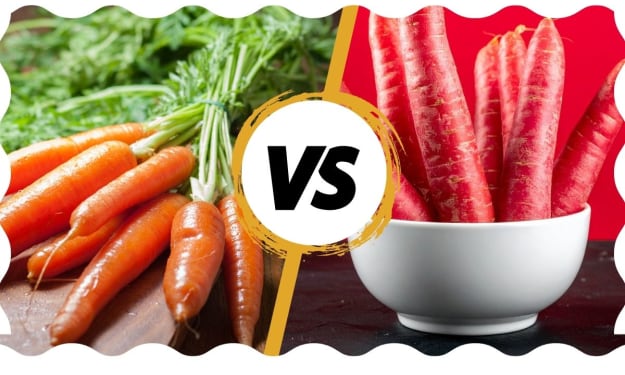
Orange vs Red Carrots
Carrots are among the most popular root vegetables around the world. They are widely appreciated for their natural sweetness, crunchy texture, and impressive nutritional value. While most people are familiar with orange carrots, many regions—especially in South Asia—also consume red carrots, particularly during winter. This often raises a common question: which carrot is better for health—orange or red?
By Stories Today7 days ago in Feast
Decaf Tea, The Ordinary Cup With Real Benefits
Decaf Tea, The Ordinary Cup With Real Benefits Many people think a cup of decaf tea is somehow weaker or pointless. That idea is not really true. The facts about decaffeinated tea show that it can be a very good choice, especially for people who want the comfort of tea without the strong effect of caffeine.
By George’s Girl 2026 3 days ago in Feast



Comments
There are no comments for this story
Be the first to respond and start the conversation.