
The History of French Pâtisserie
As pastry chefs continue to push the boundaries of creativity, the rich legacy of French pâtisserie will undoubtedly continue to captivate and inspire for generations to come

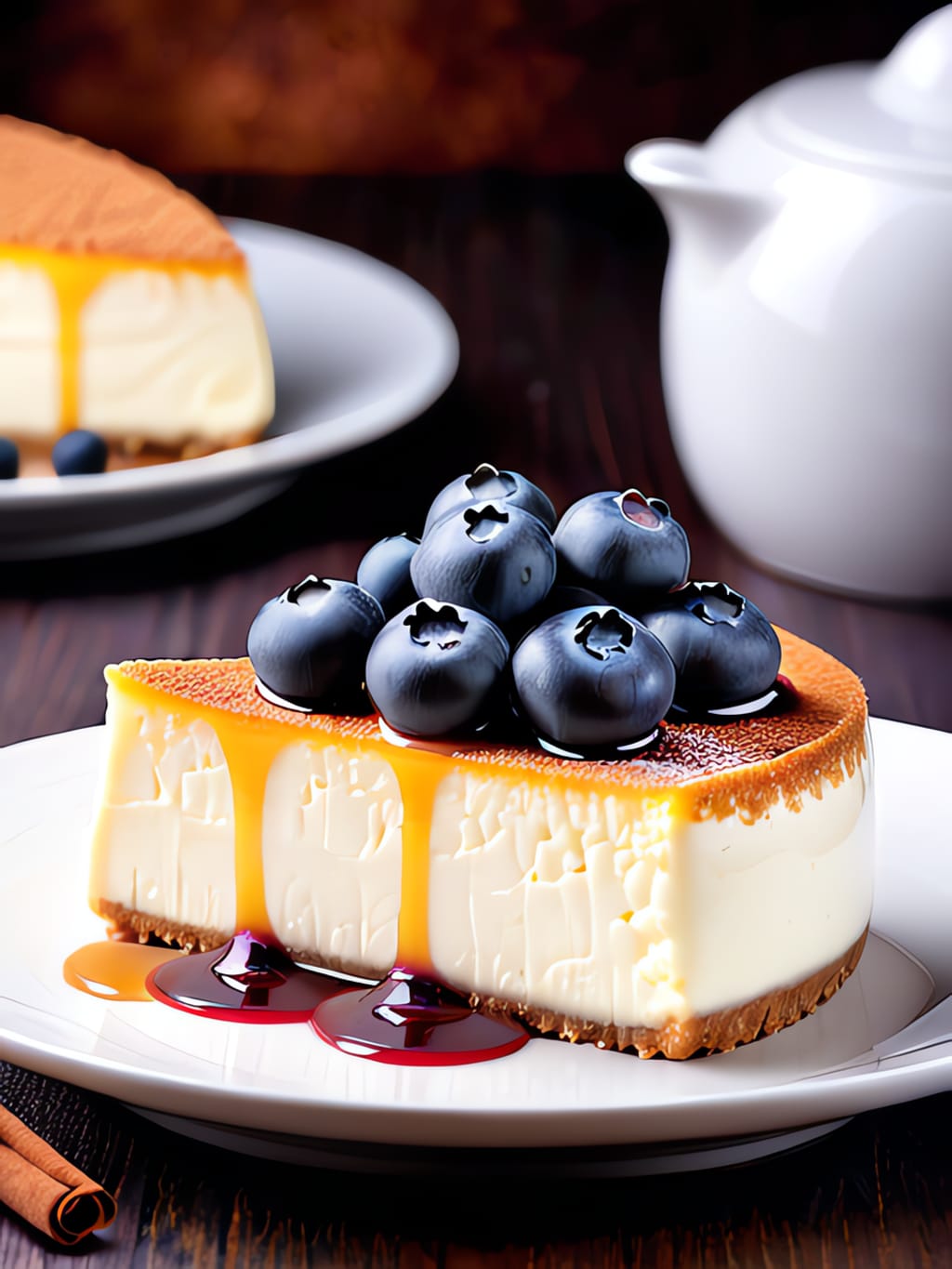
The history of French pâtisserie is a rich tapestry woven with centuries of culinary innovation, artistic presentation, and cultural tradition. French pâtisserie, or pastry making, has evolved from humble beginnings into a celebrated art form that defines French cuisine. The roots of this exquisite craft can be traced back to the Middle Ages when early pastry chefs began experimenting with dough and sweet fillings to create simple yet delicious treats.
During the Renaissance, the art of pâtisserie began to flourish in France, influenced by the Italian chefs who accompanied Catherine de Medici when she married King Henry II. These chefs introduced new techniques and ingredients, such as sugar and butter, which became essential components of French pastry. This period saw the creation of many classic pastries, including the first versions of puff pastry and choux pastry, which remain staples in French pâtisserie today.
The 17th century marked a significant era in the history of French pâtisserie with the establishment of the first pâtisseries in Paris. These early pastry shops catered to the nobility and wealthy bourgeoisie, offering a variety of confections and baked goods. It was during this time that French pastry chefs began to gain recognition for their skills, and the profession of pâtissier (pastry chef) was officially acknowledged.
One of the most influential figures in the history of French pâtisserie was Marie-Antoine Carême, known as the "King of Chefs and the Chef of Kings." In the early 19th century, Carême revolutionized the art of pâtisserie by refining techniques and creating elaborate pièces montées (decorative centerpieces made of pastry). His contributions to the field laid the foundation for modern French pastry, emphasizing precision, elegance, and innovation.
The late 19th and early 20th centuries saw the rise of iconic French pâtisseries such as Ladurée and Fauchon in Paris. These establishments became renowned for their luxurious pastries and elegant tea rooms, attracting both locals and tourists. Ladurée, in particular, popularized the macaron, a delicate almond meringue cookie filled with ganache, which has since become a symbol of French pâtisserie worldwide.
French pâtisserie continued to evolve throughout the 20th century, with pastry chefs pushing the boundaries of creativity and technique. Innovations such as the éclair, mille-feuille, and opera cake emerged, showcasing the versatility and artistry of French pastry. The development of new equipment and ingredients also played a crucial role in advancing the craft, allowing pastry chefs to achieve greater precision and consistency.
In recent decades, the tradition of French pâtisserie has been embraced and reinterpreted by pastry chefs around the world. Influential chefs like Pierre Hermé and Dominique Ansel have brought a contemporary twist to classic French pastries, introducing bold flavors and modern techniques. Hermé, often referred to as the "Picasso of Pastry," is known for his inventive flavor combinations and meticulous attention to detail, while Ansel's creation of the Cronut—a hybrid of a croissant and a doughnut—took the pastry world by storm.
French pâtisserie is not only about creating delicious treats but also about the art of presentation. The visual appeal of pastries is a crucial aspect of the craft, with chefs paying meticulous attention to detail in the design and decoration of their creations. This emphasis on aesthetics is evident in the intricate patterns of a mille-feuille, the delicate piped designs on a religieuse, and the elegant layers of a Saint-Honoré.
The influence of French pâtisserie extends beyond the realm of professional kitchens and into the homes of amateur bakers. French pastry techniques and recipes have become widely accessible through cookbooks, television shows, and online tutorials, inspiring a global audience to try their hand at making classic French pastries. This democratization of pastry-making has helped to preserve and spread the traditions of French pâtisserie.
Education and training play a vital role in the perpetuation of French pâtisserie. Prestigious culinary schools such as Le Cordon Bleu and the École Nationale Supérieure de Pâtisserie offer comprehensive programs that teach aspiring pastry chefs the foundational skills and advanced techniques of the craft. These institutions uphold the standards of excellence and tradition that define French pâtisserie, ensuring that the next generation of chefs can continue to innovate while respecting the heritage of the art form.
The cultural significance of French pâtisserie is celebrated through numerous festivals and competitions held throughout France. Events such as the Salon du Chocolat and the Coupe du Monde de la Pâtisserie (World Pastry Cup) showcase the talents of pastry chefs and highlight the importance of pastry in French culture. These gatherings not only honor the history and tradition of French pâtisserie but also provide a platform for innovation and collaboration within the industry.
About the Creator
Keep reading
More stories from Kenneth Ethan Carl and writers in Feast and other communities.
The tradition of Greek mezze
It is a way of life that emphasizes sharing, community, and the enjoyment of food. The tradition of mezze, which dates back centuries, involves serving a variety of small dishes that can be enjoyed over long, leisurely meals. This tradition reflects the Greek emphasis on hospitality and the social aspect of dining.
By Kenneth Ethan Carlabout a year ago in Feast
My Tous les Jours Trip
As someone who lives in a rural area, I don't get the chance to visit fancy restaurants or bakeries that often. So, when a friend told me about a French-Asian bakery that's less than an hour away, I knew I had to check it out and grab some pictures for social media. Tous les Jours ended up providing an immersive experience that went above and beyond my expectations--although I did leave with a few reservations.
By Kaitlin Shanks24 days ago in Feast



Comments (1)
Thanks for the history