

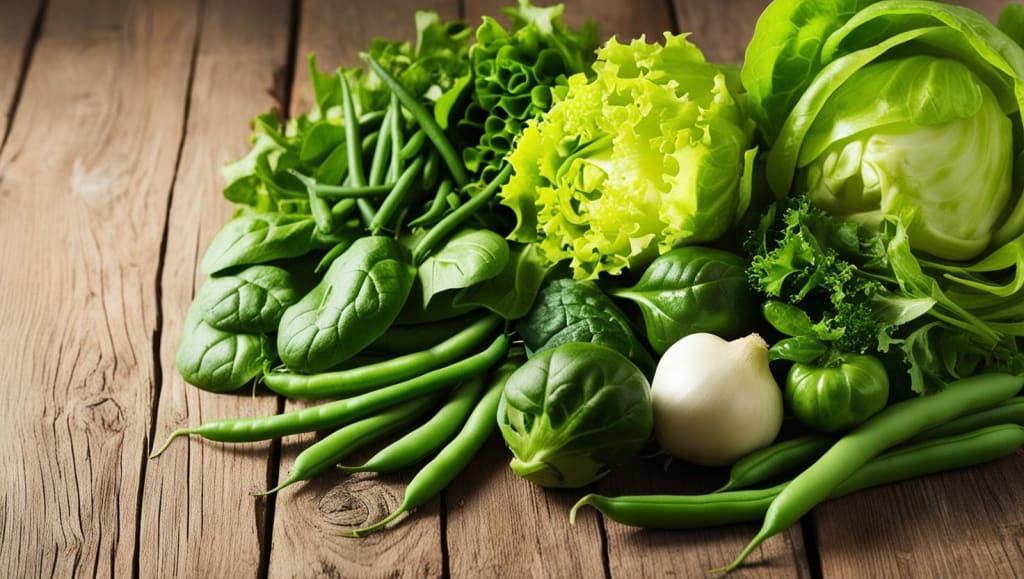
The Green Shift: A Journey to Healing, Energy, and Rediscovery Through Food
When Maya first stepped into her thirties, she imagined it would feel like leveling up—confident, successful, energetic. Instead, she found herself constantly exhausted, battling mood swings, bloating after nearly every meal, and a creeping sense of dissatisfaction with her body. She wasn’t sick, exactly—but she wasn’t well either.
She worked a full-time job, took care of her two kids, and tried to stay on top of life. Like most people, her diet was built for convenience. Breakfast was coffee and toast, lunch was usually a sandwich or something microwaved at her desk, and dinner… well, it depended on what her kids would actually eat without a protest.
Vegetables were never her enemy, but they certainly weren’t her priority.
That all changed the day she fainted at her youngest son’s soccer game.
A Wake-Up Call in the Grass
It was a warm Saturday afternoon. Maya had skipped lunch—again. She’d been running errands all morning and thought the heat was getting to her. She remembered clapping from the sidelines, then blackness. The next thing she knew, she was lying on the grass with her husband hovering over her, his voice sharp with concern.
After a hospital check-up, the doctor told her it was probably a combination of dehydration, low iron, and fatigue. “You’re not fueling your body properly,” he said gently. “You’re running on empty.”
Back home that evening, Maya sat on her kitchen stool, staring at the fridge full of frozen waffles, deli meat, and juice boxes. She realized something had to change—not later, not someday. Now.
But what?
Rediscovering the Forgotten Food Group
Later that week, Maya dove headfirst into health articles and documentaries. She wasn’t looking for a fad or a cleanse. She needed a foundation. Again and again, one message stood out: **Eat more greens.**
It sounded almost too simple. Greens? Like, salads?
But the more she read, the more she understood. Leafy greens—spinach, kale, collards, arugula, Swiss chard, romaine, broccoli—were nutritional powerhouses. Packed with essential vitamins (like A, C, K, and folate), minerals (iron, magnesium, calcium), fiber, and antioxidants, these vibrant plants weren’t just sides to be tolerated. They were the fuel she was missing.
She learned that greens could:
- Boost energy levels
- Improve digestion
- Support healthy skin and hair
- Strengthen bones
- Improve mood and mental clarity
- Detoxify the body
- Strengthen the immune system
They weren’t just good for you—they were transformational.
Small Steps, Big Changes
On Sunday, Maya made her first change. She added a handful of spinach to her morning smoothie—banana, almond milk, and peanut butter. To her surprise, she could barely taste the greens.
Next, she swapped her usual sandwich lunch for a big bowl of mixed greens topped with grilled chicken, sunflower seeds, and a squeeze of lemon. It wasn’t perfect. She still wanted chips afterward. But it was a start.
By the second week, she noticed something strange. She wasn’t crashing in the afternoons anymore. Her energy lasted through the evening without another cup of coffee. She didn’t feel as bloated after meals. Even her cravings for sugar started to fade.
The Science Behind the Shift
Maya's changes weren’t just placebo. Her body was responding to real, tangible improvements in her diet.
1. **Better Digestion:**
The fiber in greens helped regulate her gut. Her stomach felt lighter. Her bathroom habits normalized. No more reaching for antacids after dinner.
2. **Improved Energy:**
Iron from spinach and kale, along with magnesium, helped her blood carry oxygen more efficiently. No wonder she stopped feeling dizzy and drained.
3. **Mental Clarity:**
With stable blood sugar levels and inflammation dropping, she found herself less irritable and more focused at work.
4. **Hormonal Support:**
Cruciferous vegetables like broccoli and arugula contain compounds that help the liver process excess estrogen—a benefit she hadn’t even considered.
5. **Immunity Boost:**
It was flu season, but Maya breezed through it without even a sniffle. The vitamin C and antioxidants were doing their job.
The Unexpected Joy of Cooking Again
Once Maya began eating more greens, something else happened: she started to enjoy cooking.
She discovered new recipes—sautéed Swiss chard with garlic, massaged kale salads with avocado and lemon, zucchini noodles tossed with pesto. Her kitchen transformed from a place of stress to a space of creativity. Her kids were skeptical at first, but they loved her green pancakes (banana, oats, spinach, and eggs). Even her husband came around when she made spinach-stuffed turkey meatballs.
It wasn’t about being perfect. Some nights they still had pizza. But now, greens were a part of almost every meal—not a punishment, but a practice.
More Than Food: A Mind-Body Connection
As the months passed, Maya noticed other changes too.
Her skin, once dull and prone to breakouts, had a glow. Her nails were stronger. Her sleep improved. She felt… lighter—not just physically, but mentally. There was a clarity, a sense of being more *in tune* with herself.
Greens, she realized, weren’t just feeding her body. They were feeding her *spirit*. In nourishing herself, she had rediscovered a sense of self-worth and self-respect.
“I didn’t know how depleted I was,” she told a friend one day over lunch. “It’s like I was operating at 60%, and now I finally understand what 100% feels like.”
The Ripple Effect
Maya’s journey didn’t stay contained to her own life.
Her coworkers began asking what she was doing differently—why she looked so energized. She started bringing extra green smoothies to share in the break room. She even created a little “Green Challenge” on social media: 30 days of adding greens to every meal.
People joined in. They posted photos, swapped recipes, and thanked her for the inspiration. One small change had become a ripple of wellness through her community.
Looking Back, Moving Forward
A year later, Maya stood in front of her bathroom mirror, brushing her hair before bed. She looked the same, and yet completely different. Stronger. Softer. More awake to her life.
Her fridge was now always stocked with greens. Not because she was on a diet, but because her body *asked* for them. They were part of her rhythm now—like brushing her teeth or breathing.
Eating more greens had taught her that health isn’t about restriction or guilt. It’s about *honoring* your body with the nourishment it deserves.
Your Turn: Start Small, Go Green
Maya’s story isn’t unique. Many people are walking through life tired, stressed, and undernourished—without even realizing it. The solution doesn’t have to be complicated. You don’t need supplements or a new gym membership.
You just need to eat more greens.
Here are a few easy ways to start:
- Add a handful of spinach to your smoothie
- Toss chopped kale into soups or stews
- Replace iceberg lettuce with arugula or spring mix
- Sauté greens with garlic, olive oil, and a squeeze of lemon
- Try a new green each week—bok choy, mustard greens, watercress
- Grow your own herbs on a windowsill—basil, cilantro, parsley
Small steps lead to big changes. And who knows? A year from now, you might be the one inspiring others, glowing from the inside out.
Final Words: Green is Growth
In every leaf, there’s life.
In every bite of greens, there’s an invitation—to heal, to energize, to reconnect with the wisdom of the earth and the intelligence of your own body.
Maya’s journey is just one of many. But the message is universal:
**Eat more greens.**
**Nourish your roots.**
**Watch yourself bloom.**
About the Creator
Gabriela Tone
I’ve always had a strong interest in psychology. I’m fascinated by how the mind works, why we feel the way we do, and how our past shapes us. I enjoy reading about human behavior, emotional health, and personal growth.
Keep reading
More stories from Gabriela Tone and writers in Feast and other communities.
The Rhythm of Little Stars
The Rhythm of Little Stars A Journey to Finding the Perfect Baby Schedule When Emma first brought baby Oliver home from the hospital, she thought she was ready. She had read the books, joined the forums, listened to every piece of advice from mothers, grandmothers, neighbors, and strangers in grocery store lines. "Sleep when the baby sleeps," they said. "Feed on demand." "Let them cry it out." "Never let them cry it out."
By Gabriela ToneExclusive • 10 months ago


Comments
There are no comments for this story
Be the first to respond and start the conversation.