
The Food With the Second-Largest Footprint in the World
Chocolate is worse than most meat - let's talk about it.

Chocolate is one of the most common and enjoyed goods across the West, often the first choice for a gift or idle treat. But it is also the single least discussed food that has a huge impact on the planet. Reducing your meat intake for the sake of the planet is a rising trend, which has been proven to make significant cuts in your carbon footprint. However, a meat-free diet is not necessarily a low impact diet, especially if it includes a large amount of chocolate. Why is this?
Chocolate is made from the pods of cocoa trees in rainforests, which can only be grown in tropical regions. These areas are vast and remote, which makes them extremely difficult to monitor, and a prime target for clearing to use as agricultural land. The largest cause of deforestation is the production of soy for beef farms, but cocoa production is high on the list as well. Around 90% of rainforests in the Ivory Coast have disappeared since their independence in 1960 due to cocoa production (The Guardian, 2019), to the point where their namesake — forest elephants — are on the brink of extinction. Soon, there will be no more ivory in the Ivory Coast.
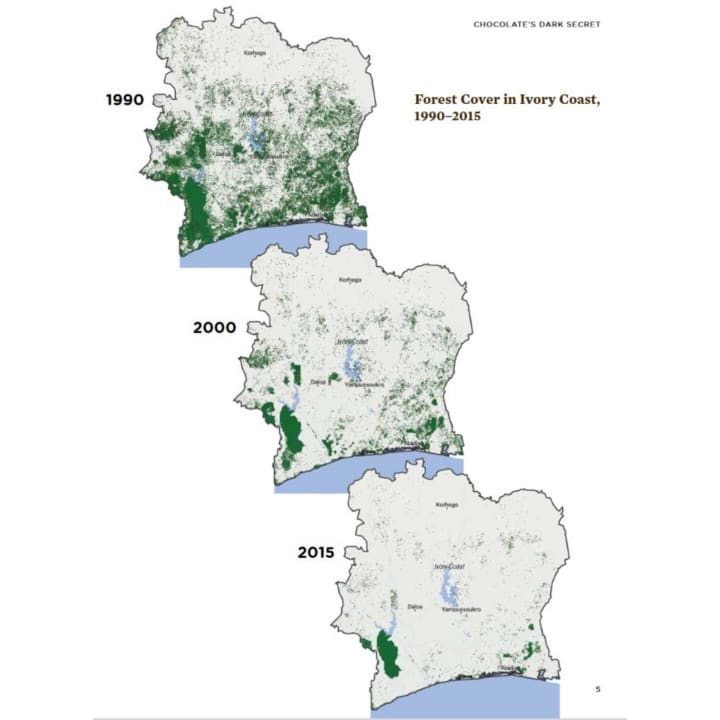
Dark chocolate is the worst culprit as it requires more cocoa to produce, with a higher impact than milk chocolate despite milk chocolate including the emissions from cows! The sheer amount of CO2 that is released from burning rainforests in unsustainable farming practices puts its greenhouse gas footprint above every other food except one type of beef, according to Our World in Data.
Take a moment to absorb the following graph:
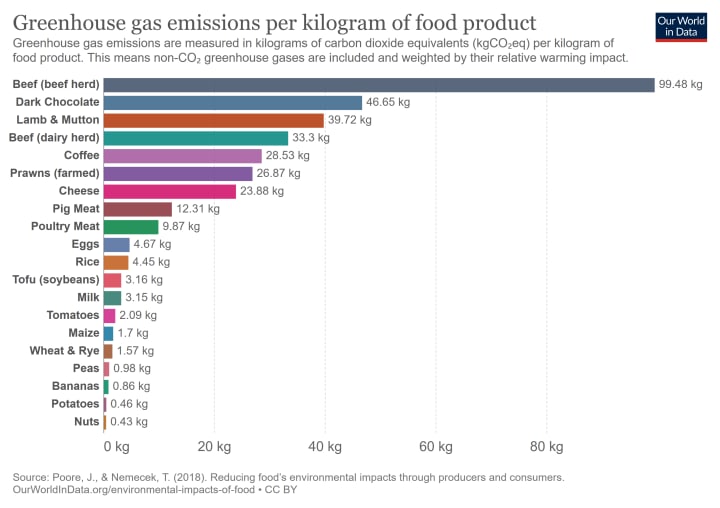
This graph shocked me when I first stumbled across it. Dark chocolate, coffee, and cheese have a significantly higher footprint than I had ever imagined, each greater than pig and poultry meat combined. On their website you can filter it per 100g of protein or per 1000 kilocalories as well, but the picture is the same. The saddest part is that this graph only shows the warming impact from the emissions of each food — the case for chocolate is even worse because producing chocolate involves destroying rainforest, and the loss of habitat and scale of land use is immense. Not only does it release a tremendous amount of CO2, but it also decimates unique habitats, animals, and plants.
So why is nobody talking about this? While these impacts are devastating, they are also distant. Central and Western Africa are the main areas where cocoa production takes place, and Europe and US are almost exclusively the consumers. Culture is also a big player — everyone loves a bar of chocolate. It is ingrained as a tasty delicacy from childhood, and the end product seems innocent when you are unaware of its destructive journey to your supermarket shelf. But if we want to get serious about changing our diets to minimise our impact on the environment, we have to face the consequences of chocolate and respond accordingly.
There is yet some consolation; choosing chocolate produced in cooperation with organisations such as Kuapa Kokoo reduces your impact, as they have a pilot project of new cocoa farms that use sustainable farming methods, as well as tackling humanitarian issues in the industry. Alternatively, if you enjoy a packet of sweets as much as a bar of chocolate they have been proven to have a significantly lower footprint, making for an excellent swap.
I’m not advocating that we all stop eating chocolate. Learning how to consume more sustainably is a step in the right direction, and one of the many tools people should use to combat the climate crisis. Ultimately, nobody is perfect, and chocolate alone won’t be the downfall of humanity — but the more we learn about climate change, the better equipped we are to deal with it.
About the Creator
James Wood
Hi! I'm a Global Studies & Philosophy student graduating in my final year at Nottingham Trent University, with a keen interest in environmental issues and philosophy.
Follow along for insightful discussion and existential crises.
Keep reading
More stories from James Wood and writers in Feast and other communities.
Orange vs Red Carrots
Carrots are among the most popular root vegetables around the world. They are widely appreciated for their natural sweetness, crunchy texture, and impressive nutritional value. While most people are familiar with orange carrots, many regions—especially in South Asia—also consume red carrots, particularly during winter. This often raises a common question: which carrot is better for health—orange or red?
By Stories Today3 days ago in Feast
Widow invests $800,000 to start hawker culture experience centre in honour of late husband
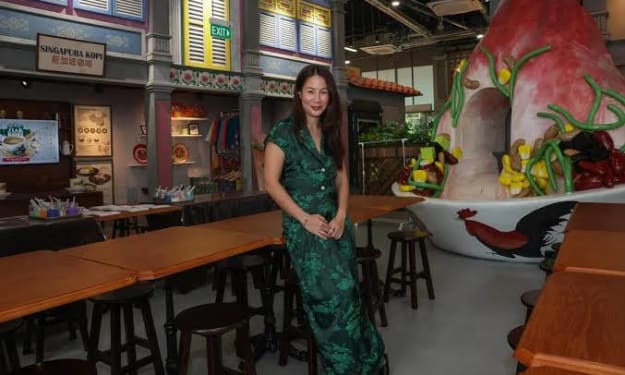
In a touching tribute to love, memory, and cultural heritage, a Singaporean widow has invested nearly $800,000 to establish a hawker culture experience centre dedicated to preserving and celebrating the vibrant food traditions that her late husband cherished throughout his life. The centre, which opened recently in Singapore, aims to provide visitors with an immersive journey into the country’s beloved hawker culture while honouring the legacy of a man who spent decades supporting local food vendors. The project was initiated by Lim Mei Hua, whose husband, Tan Wei Chong, passed away three years ago after a long illness. Tan was widely known among friends and family as a passionate supporter of traditional hawker stalls and frequently spent his weekends exploring different food centres across Singapore. According to Lim, the idea of creating a space dedicated to hawker heritage had long been one of her husband’s dreams. “He always believed that hawker culture was the heart of Singapore,” Lim said during the centre’s opening ceremony. “After he passed away, I wanted to do something meaningful that would keep his passion alive and allow future generations to understand why these traditions matter.” Singapore’s hawker culture is a cornerstone of the nation’s identity. The bustling open-air food centres, filled with vendors serving affordable and diverse dishes, reflect the multicultural roots of the country. In recognition of its cultural importance, UNESCO added Singapore’s hawker culture to its Representative List of the Intangible Cultural Heritage of Humanity in 2020. Lim’s experience centre is designed to showcase this heritage through interactive exhibits, live cooking demonstrations, and storytelling sessions led by veteran hawkers. Visitors can learn about the origins of iconic dishes such as Hainanese chicken rice, Laksa, and Char kway teow, while also exploring the personal journeys of the hawkers who prepare them. The centre includes a small exhibition gallery featuring photographs, kitchen tools, and handwritten recipes collected from hawker families across the city. Many of these items date back decades, offering a glimpse into how culinary traditions have been passed down through generations. One section of the centre recreates a traditional hawker stall environment, allowing visitors to experience what it feels like to work behind the counter during a busy lunch rush. Young participants can try their hand at simple cooking techniques while learning about the discipline and dedication required to master hawker cuisine. Local hawkers have warmly welcomed the initiative. Many worry that younger generations may be less interested in taking over family stalls, which often involve long hours and physically demanding work. By highlighting the cultural significance of these businesses, Lim hopes the centre will inspire renewed appreciation among the public. “Hawker food is not just about eating,” said veteran vendor Ong Kee, who participated in one of the centre’s demonstration sessions. “It’s about history, family, and community. Places like this help remind people why our traditions should continue.” Beyond cultural preservation, the experience centre also aims to support hawkers economically. A portion of ticket sales will be directed toward training programs for aspiring food vendors, helping them learn both traditional recipes and modern business skills. Lim believes this approach can help sustain the industry while adapting to changing times. Tourism officials in Singapore have also expressed optimism about the centre’s potential to attract international visitors interested in culinary experiences. Food tourism has become an increasingly important part of the country’s travel industry, with visitors eager to explore authentic local cuisine. For Lim, however, the centre’s true purpose goes far beyond tourism or business success. Every corner of the space reflects memories of her husband—his favorite dishes, the stalls he frequently visited, and the stories he loved to share. “Whenever I see people enjoying the exhibits or learning about hawker culture, I feel like his spirit is still here,” she said quietly. “This place is not just about the past. It’s about keeping something precious alive.” Through her remarkable gesture, Lim has transformed personal grief into a lasting tribute that celebrates love, heritage, and the enduring power of food to bring communities together. Her $800,000 investment ensures that the spirit of Singapore’s hawker culture—and the memory of the man who cherished it—will continue inspiring generations to come.
By Fiaz Ahmed 5 days ago in Feast


Comments
There are no comments for this story
Be the first to respond and start the conversation.